





Beyond the Sugar Rush
The defining characteristic of this new movement is a deliberate step away from overwhelming sweetness. These new-age mithaiwalas are reducing sugar content, allowing the true flavours of the base ingredients—high-quality milk, nuts, grains, and spices—to
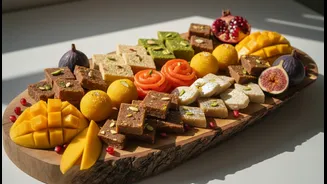
shine through. The goal is to create a more balanced and sophisticated tasting experience. Brands like Delhi's Gur Chini are experimenting with natural sweeteners such as various types of jaggery, dates, and honey. This approach caters to a growing number of health-conscious consumers who still want to indulge in traditional treats without the guilt of excessive sugar. The focus is on clean-label ingredients, often sourced locally and organically, with no artificial additives or preservatives.
The New Artisans of Mithai
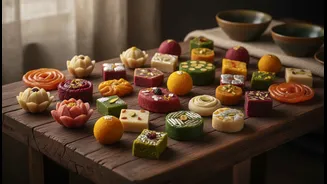
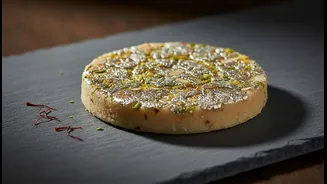
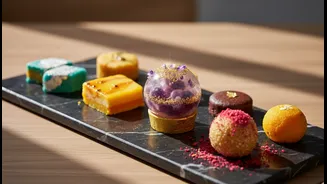
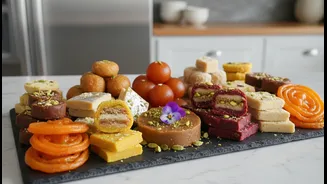
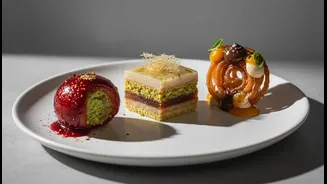
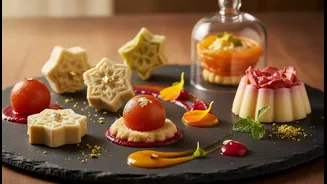
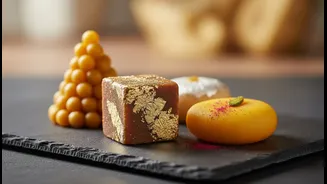
At the forefront of this trend are chef-led ventures that bring a modern culinary sensibility to an age-old craft. Mumbai's Bombay Sweet Shop, from the team behind acclaimed restaurants like The Bombay Canteen, embodies this philosophy. Their stated mission is to bring back the "magic of mithai" by playfully reinterpreting classics. Helmed by Chief Mithaiwala Girish Nayak, the brand turns tradition on its head with creations that surprise in both flavour and presentation. Similarly, Arq in Delhi, founded by chefs Neha Lakhani and Ashay Dhopatkar, uses their background in pastry arts to upgrade traditional sweets. They aim to create a luxury experience for Indian sweets, much like the high-end patisseries of Europe. These brands are transforming mithai from a simple commodity into an artisanal product, where every piece tells a story of craft and creativity.
A Taste of Tradition, Reimagined
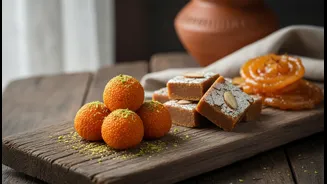
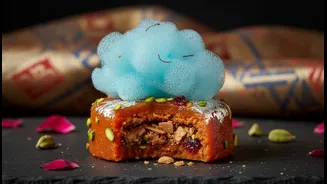
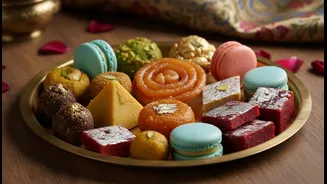
The innovation isn't about replacing classics, but elevating them. Traditional favourites are given a contemporary twist, often incorporating global flavours and techniques. For example, Bombay Sweet Shop offers a 'Drunken Motichoor' laddoo spiked with rum and a 'Ferrero Rocker Laddoo' that adds hazelnut to the humble besan laddoo. Arq gives the traditional Mathura peda a French makeover with a gooey dulce de leche centre and creates an apple cinnamon gujiya inspired by pies. Other brands are experimenting with everything from wasabi-filled laddoos to tiramisu-flavoured barfi. These fusion sweets are designed to appeal to a younger, more globally-exposed palate that appreciates both nostalgia and novelty.
Why Now? A Palate for Change
This movement is a response to a significant shift in consumer preferences in India. There is a growing demand for premium, high-quality products across all categories, and sweets are no exception. Consumers are more health-aware, seeking options that are less sugary, made with wholesome ingredients, and free from preservatives. Furthermore, presentation and storytelling have become as important as the product itself. These new brands excel at creating beautifully packaged, 'Instagram-worthy' products that are perfect for modern gifting. The rise of e-commerce and direct-to-consumer (D2C) models has also allowed these brands to build a national audience, moving mithai beyond a hyper-local, festive-season purchase into a year-round indulgence.