



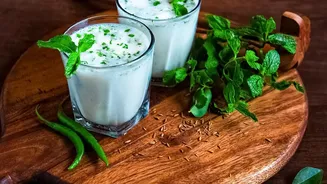
The Return to Roots
A fascinating shift is occurring in the wellness landscape of urban India. Younger generations, often seen as the primary drivers of global trends, are increasingly turning towards traditional, homemade fermented drinks. Two beverages at the forefront
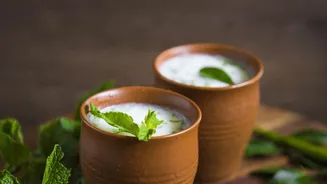
of this revival are the coastal classic Sol Kadhi and the North Indian staple, Kanji. This movement isn't just about quenching thirst; it represents a deeper reconnection with culinary roots and a growing appreciation for the time-tested wisdom of Indian kitchens. While international options like kombucha and kefir have their space, these hyperlocal drinks are gaining favor for their familiarity, affordability, and potent health benefits.
Sol Kadhi: The Coastal Cooler
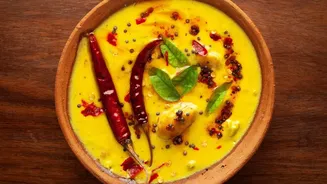
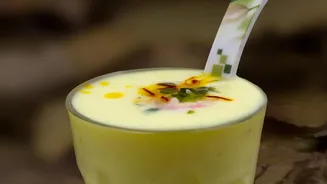
Sol Kadhi is a soothing, pale pink beverage native to the Konkan coast, particularly Goa and Maharashtra. Its primary ingredients are coconut milk and the dried rind of the kokum fruit (Garcinia indica), which gives the drink its signature tangy flavor and beautiful color. Traditionally consumed after meals, Sol Kadhi is renowned for its digestive properties. It acts as a natural coolant, making it perfect for India's hot and humid climates. The enzymes in kokum and the healthy fats from coconut milk work together to soothe the stomach, prevent acidity, and aid in the digestion of spicy, heavy food. While not fermented in the same way as yogurt, the preparation method, sometimes involving a slight fermentation of the kokum, and the addition of ingredients like garlic and chili can enhance its probiotic profile.
Kanji: The Fermented Powerhouse
Kanji is a tangy, fermented beverage traditionally made in North India, especially during the winter months, using black carrots. The process is simple: carrots (or sometimes beetroots) are submerged in water with salt and ground mustard seeds and left to ferment in the sun for several days. This natural fermentation process cultivates a rich colony of beneficial bacteria, including Lactobacillus species, making Kanji a true probiotic powerhouse. These microorganisms are essential for maintaining a healthy gut microbiome, which is linked to improved digestion, stronger immunity, and even better skin health. The drink is also rich in antioxidants from the black carrots, which help fight inflammation.
Why Now? The Modern Appeal
The resurgence of these drinks among urban youth is driven by several converging factors. A primary driver is the global wellness trend emphasizing gut health. As young consumers become more educated about the microbiome's role in overall well-being, they are seeking out natural, food-based probiotics. There is also a conscious movement away from sugary, processed beverages toward cleaner, more natural alternatives. Furthermore, this trend taps into a sense of cultural pride and nostalgia. In a world of homogenous global trends, embracing a drink from one's own heritage offers a unique identity and story. This is amplified by social media, where photogenic, colourful drinks like Kanji and Sol Kadhi find a ready audience. This revival is happening in home kitchens, wellness clinics, and even trendy cafes that are putting a modern spin on these traditional recipes.
More Than Just a Drink
The growing popularity of Sol Kadhi and Kanji signals more than a fleeting food trend. It highlights a mature consumer base that values both science and tradition. They understand the modern language of probiotics and gut health but are choosing to find those benefits in the familiar, time-honored recipes of their grandparents. This embrace of functional, traditional foods shows a holistic approach to health, where wellness is not a pill or a supplement but an integrated part of one's daily diet and cultural identity. These drinks are not just hydrating; they are carriers of tradition, connecting the past to the present in the most delicious and nourishing way possible.