





The Annual Pothole Problem
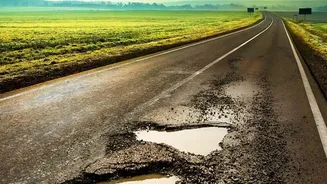
For anyone who drives, rides, or walks through an Indian city, the sight of roads crumbling after a heavy downpour is painfully familiar. Small cracks quickly grow into large, dangerous potholes, leading to traffic chaos, vehicle damage, and accidents.
The traditional solution involves a constant, costly cycle of manual repair. Road crews patch up one section, only for another to degrade. This reactive approach is not just expensive for municipal corporations; it also causes significant disruptions to daily life and commerce. The materials used, primarily conventional asphalt and bitumen, struggle to withstand the combined pressures of heavy traffic and intense weather, making road maintenance a never-ending battle.
A Smarter Solution: Self-Healing Roads
Imagine a road surface that can detect and repair its own damage before it becomes a problem. This is the core idea behind self-healing asphalt. This innovative approach embeds special agents within the asphalt mixture that can autonomously fix micro-cracks as they form. By tackling damage at its earliest stage, these materials can prevent small fissures from evolving into major potholes. This proactive method of maintenance promises to dramatically extend the lifespan of our roads, potentially doubling it in some cases, and make our urban infrastructure far more resilient. The technology represents a major shift from reactive patching to proactive, built-in preservation.
How Bio-Engineered Binders Work
The magic behind these self-healing coatings lies in the 'bio-engineered binders'. One of the most promising methods involves embedding tiny microcapsules into the asphalt mix. These capsules are filled with a rejuvenating agent, often derived from bio-materials like waste cooking oils or other organic matter. When a tiny crack forms in the road surface due to stress, it breaks open these capsules. The released oil then seeps into the crack, acting as a healing agent that softens and binds the surrounding bitumen back together, effectively sealing the damage. This process is inspired by natural healing mechanisms seen in plants and animals. Other methods being explored include using steel fibres that can be heated by induction machines to melt the bitumen and close cracks, but the bio-binder approach is particularly attractive for its sustainability.
Benefits Beyond a Smoother Ride
The advantages of self-healing roads extend far beyond just preventing potholes. By significantly reducing the need for frequent manual repairs, this technology could lead to massive cost savings for city governments. Fewer road closures for maintenance would mean less traffic congestion, reduced fuel consumption for idling vehicles, and a lower carbon footprint from repair machinery. Furthermore, using bio-binders derived from renewable sources like waste biomass or recycled oils makes the entire road construction process more environmentally friendly. It reduces our reliance on petroleum-based asphalt and finds a productive use for waste materials. This leads to safer, cheaper, and greener roads for everyone.
The Road Ahead for India
While the technology is incredibly promising, widespread adoption faces a few hurdles. The primary challenge is the higher upfront cost of these advanced materials compared to traditional asphalt. However, experts argue that the long-term savings on maintenance and repair would likely offset the initial investment. The long-term performance and durability under diverse and harsh Indian climate conditions still require more real-world testing. encouragingly, research is already underway within India. Institutions like the Central Road Research Institute (CRRI) and IIT-Madras are reportedly experimenting with formulations suited for our tropical climate and heavy traffic loads. While we may not see all our streets healing themselves overnight, this technology is no longer science fiction and could become a key part of building India's future-proof infrastructure.