





The New Urban Reality
For generations, the rhythm of Indian life was tied to the kitchen. The morning would start with preparations for lunch, and evenings were for fresh, hot dinners. But for a growing number of young Indians, particularly millennials and Gen Z living in metropolitan
hubs like Mumbai, Bengaluru, and Gurugram, this rhythm has changed. Having moved away from home for education or careers, they find themselves in a bind. Long work hours, exhausting commutes, and a lack of time, skill, or inclination to cook daily have created a significant gap in the market—a gap that 'organized meals' are perfectly designed to fill.
Convenience Is the New Comfort Food
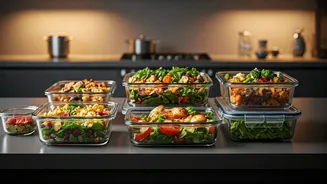
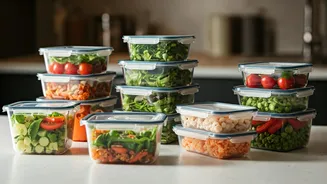
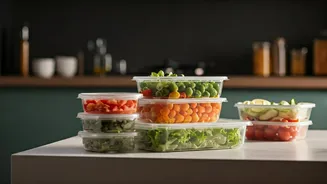
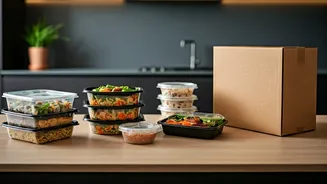
The primary driver behind this trend is, without a doubt, convenience. The modern urban professional is time-poor. The choice is no longer between a lovingly prepared 'ghar ka khana' and cooking for oneself. Instead, it's between ordering a greasy, unhealthy takeaway for the third time in a week or subscribing to a service that delivers a balanced, wholesome meal right to your doorstep. These services eliminate the entire chain of hassle: meal planning, grocery shopping, chopping, cooking, and the dreaded clean-up. In a world where time is the ultimate luxury, paying a premium to reclaim an hour or two every day is a trade-off many are willing to make. This makes organized meals less of a luxury and more of an essential utility for maintaining a sane work-life balance.
Health on a Subscription
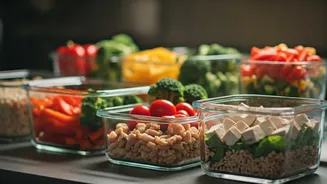
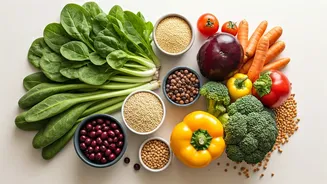
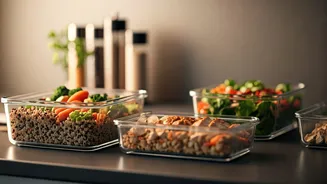
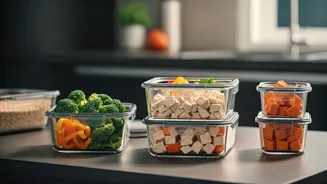
This shift isn't just about avoiding cooking; it's about eating better. Unlike the random lottery of restaurant orders, meal subscription services have built their brands on the promise of health and nutrition. They offer curated menus designed by nutritionists, with clear calorie counts and macronutrient breakdowns. Want a high-protein diet for your gym goals? A low-carb keto plan? A vegan menu? There's a subscription for that. This level of customization appeals directly to a health-conscious generation that is acutely aware of wellness trends. It transforms eating from a daily chore into a manageable part of their personal health project, providing the consistency that is hard to achieve when ordering on-demand.
The Tiffin Service 2.0
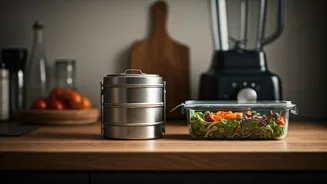
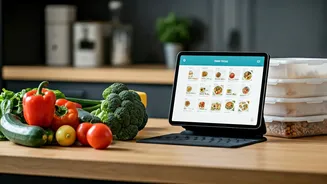
The concept of a delivered, pre-set meal is not new to India. The iconic dabbawalas of Mumbai have been running a flawless system for over a century. However, today’s organized meal providers are a tech-infused evolution of this tradition. They are the Tiffin Service 2.0. Instead of a simple 'dabba,' customers get a user-friendly app to select menus, pause subscriptions, provide feedback, and track deliveries. The variety is staggering, moving beyond a standard thali to offer regional Indian cuisines, continental bowls, and Asian-inspired dishes. This fusion of traditional reliability with modern technology and global culinary choice is what makes these services so appealing to the digital-native youth.
An Economic and Social Indicator
The boom in meal subscriptions from companies like EatFit, HealthifyMe, and countless local kitchens is more than a food trend; it's a powerful indicator of social and economic change. It reflects a rise in disposable income, the increasing participation of women in the urban workforce, and the nuclearisation of families. As more young people live alone or with roommates rather than in multi-generational households, the traditional ecosystem of home-cooking has frayed. These services step into that void, offering a solution that feels both modern and comforting—a predictable, healthy meal in an often unpredictable and stressful urban environment.