







The Rise of the Digital Pantry
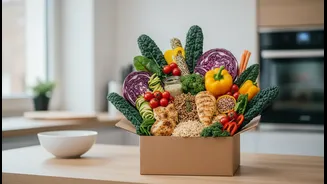
The most visible change is the explosive growth of online grocery and food delivery. Platforms like Swiggy, Zomato, and Blinkit are no longer just urban luxuries; they are becoming integral to household provisioning across the country. India's online grocery market,
valued at over USD 13.8 billion in 2025, is projected to grow at a staggering compound annual growth rate (CAGR) of over 24% through 2034. This boom is fueled by India's massive and growing internet user base, which has surpassed 800 million people, coupled with the seamlessness of UPI payments. The rise of 'quick commerce,' promising deliveries in 10-30 minutes, has fundamentally altered consumer expectations, making spontaneous and frequent online food purchases a new norm. This convenience comes at a price, often encouraging impulse buys and leading to an overall increase in household food expenditure.
A Gateway to Global and Gourmet
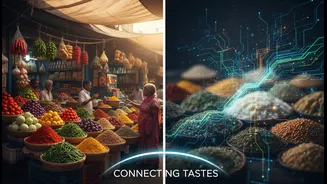
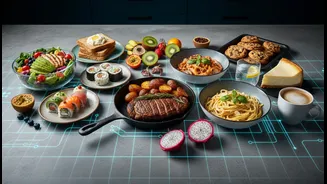
Internet connectivity does more than just deliver dal and rice faster; it acts as a window to a world of culinary possibilities. Social media platforms like Instagram and YouTube have become primary sources of food discovery, transforming how Indians think about their meals. Influencers and food bloggers introduce millions to new ingredients, recipes, and cuisines, from artisanal burgers and fusion pastas to health-focused superfoods like quinoa and avocados. This digital exposure fuels a desire for variety, pushing consumers to experiment. A study on college students found that over half had included new foods in their diet after being influenced by social media. This trend isn't limited to metros; the expanding reach of e-commerce brings previously unavailable gourmet and international ingredients to kitchens in smaller towns, broadening the Indian palate.
The Health and Wellness Connection
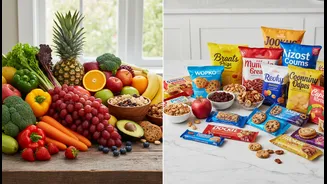
Alongside indulgence, a parallel trend of health consciousness is being amplified by the internet. A 2025 Ipsos study revealed that a vast majority of Indians across generations, from millennials (81%) to boomers (57%), get health and dietary trends from online influencers. This has spurred a significant shift towards healthier eating, with consumers actively seeking out information on nutrition and wellness. The digital marketplace makes it easier to find and purchase specialty items like millets, organic produce, and protein supplements. Brands are responding, with products carrying health claims growing faster than their conventional counterparts. This digital ecosystem allows for a revival of traditional healthy ingredients like ragi and jowar, often presented in modern, social-media-friendly formats.
Expanding Beyond the Metros
This transformation is not confined to Tier-1 cities. The rapid expansion of internet infrastructure and smartphone adoption is driving significant growth in online food ordering in Tier-2 and Tier-3 cities. These emerging markets now account for a substantial portion of the online food and grocery sector's growth. As disposable incomes rise in semi-urban areas, so does the demand for convenience and a wider variety of food choices. This expansion creates a virtuous cycle: delivery platforms tap into new customer bases, and local restaurants and home chefs gain access to a wider market through cloud kitchens and online listings, further diversifying the food landscape.