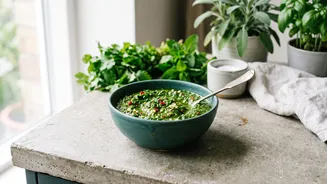






Fresh coriander, or dhaniya, is the vibrant green soul of the Indian kitchen, garnishing everything from dals to curries. But its potential goes far beyond a simple topping. Let's explore how this humble herb can be transformed into stunning sauces.
The Classic Green Chutney, Perfected
Every
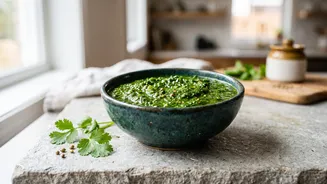
Indian household has its version of hari chutney, the quintessential dip for samosas and pakoras. To elevate yours, focus on balance. The key ingredients are simple: fresh coriander leaves (including the tender stems for maximum flavour), green chillies, garlic, a little ginger, and a souring agent. While lemon juice is common, using tamarind provides a deeper, fruitier tang that complements the heat. For a consistently bright green colour, blend the ingredients with a few ice cubes or ice-cold water. Also, consider making a base puree of just coriander and chillies, which you can freeze in ice cube trays. When you need chutney, simply thaw a few cubes and mix in salt, lime juice, and roasted cumin powder for instant freshness.
A Creamy Coriander and Yogurt Dip
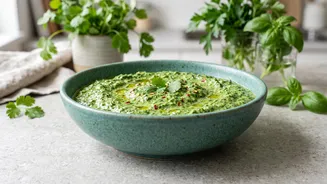
For a cooler, creamier take on the classic, look no further than a yogurt-based sauce. This versatile dip is perfect for kebabs, tikkis, or as a cooling spread in wraps and sandwiches. The process is incredibly simple: blend a large bunch of fresh coriander with thick Greek-style yogurt, a clove of garlic, a hint of green chilli or jalapeño, lime juice, and a pinch of salt. Some recipes also incorporate a little olive oil or even half an avocado for extra creaminess and richness. The yogurt tames the sharp notes of the raw coriander, resulting in a smooth, tangy, and refreshing sauce that can be whipped up in under five minutes. It's a lifesaver for adding a burst of flavour to any meal without much effort.
An Indian-Inspired Coriander Pesto
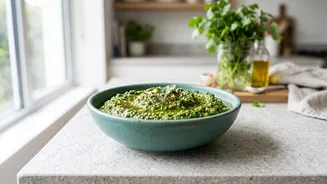
Pesto isn't just for basil. The bold, citrusy notes of coriander make it a fantastic base for this Italian-style sauce, with an Indian twist. Instead of pine nuts, you can use cashews, walnuts, or even almonds for a nutty, rich texture. The method is similar to traditional pesto: blend coriander leaves, nuts of your choice, garlic, and extra virgin olive oil until you have a coarse or smooth paste, depending on your preference. While parmesan cheese is classic, you can omit it or use a vegetarian hard cheese. A squeeze of lime or lemon juice brightens the final sauce. This pesto is incredibly versatile; toss it with pasta, spread it on toast, or use it as a marinade for grilled chicken or paneer.
Spicy Thai-Style Coriander Sauce
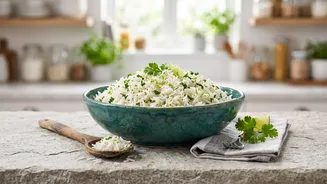
Travel east with a sauce that packs a punch. Thai cuisine often uses the entire coriander plant, including the roots, which have a more intense flavour. For a vibrant dipping sauce perfect for grilled meats, seafood, or spring rolls, blend fresh coriander leaves and stems with garlic, fiery green or red chillies, lime juice, fish sauce, and a little sugar to balance the flavours. This combination creates a perfect harmony of spicy, sour, salty, and sweet. The consistency should be pourable but still full of texture. For best results, use fresh lime juice and don't be shy with the chillies. This sauce brings a fresh, aromatic kick that can liven up any dish.
Tips for Preparing and Storing
To get the best out of your coriander than always wash it thoroughly to remove any grit. Pat the leaves and tender stems dry before blending to ensure a more concentrated flavour. When making chutneys or sauces than use the tender upper stems along with the leaves as they are packed with flavour. Most fresh coriander sauces can be stored in an airtight container in the refrigerator for up to a week though the colour may fade over time especially after adding salt and citrus. For longer storage the freezing method works wonders. Pour your base sauce or puree into ice cube trays and once frozen transfer the cubes to a freezer bag. This allows you to enjoy the taste of fresh coriander sauce anytime.