



The Ancient Grain in a New Avatar
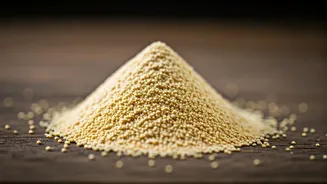
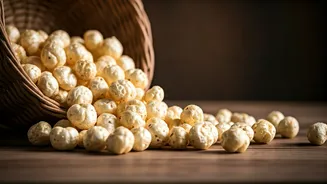
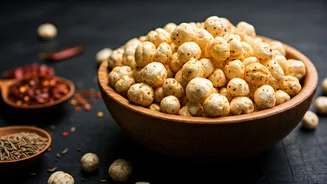
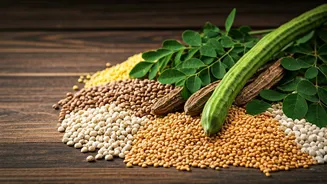
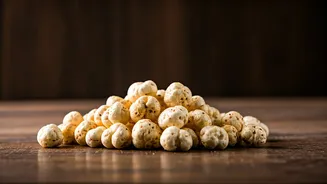
Before it was a trendy biscuit, amaranth was, and still is, rajgira—the 'royal grain.' This tiny, powerhouse seed has been cultivated for thousands of years, not just in India but across the Americas by the Aztecs. In India, it holds a special place as 'vrat
ka khana,' a food permissible during religious fasts due to it being a pseudo-cereal, not a true grain. Its earthy, nutty flavour is familiar to many in the form of laddoos or fluffy porridges. The 'newness' isn't the grain itself, but its brilliant repackaging into a convenient, on-the-go snack that fits seamlessly into our busy, health-conscious lives.
Decoding the 'Superfood' Status
So, what earns amaranth its 'superfood' crown? The nutritional profile is incredibly impressive. First, it's a complete protein, containing all nine essential amino acids, which is rare for a plant-based food. This makes it excellent for muscle repair, energy, and keeping you feeling full longer. It's also naturally gluten-free, making it a fantastic choice for those with celiac disease or gluten sensitivity. Beyond that, amaranth is packed with fibre for digestive health and brimming with crucial minerals like calcium for bone strength, magnesium for nerve function, and iron to combat fatigue. It’s not just a snack; it's condensed nutrition.
From Fasting Ritual to Everyday Wellness
The cultural journey of rajgira is fascinating. For generations, its consumption was tied to spiritual purity and dietary restrictions during festivals like Navratri. It was seen as a source of clean, high energy for days of fasting. Today, that same principle is being applied to everyday wellness. Instead of reserving its benefits for a few days a year, the modern consumer is embracing amaranth for daily fuel. This shift represents a broader trend: a return to indigenous, traditional foods that our ancestors knew were good for them, long before the term 'superfood' was ever coined. We are rediscovering the wisdom already present in our culinary heritage.
Why Biscuits are the Perfect Medium
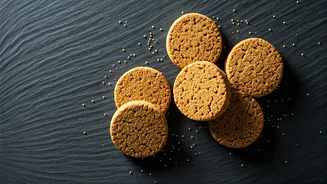
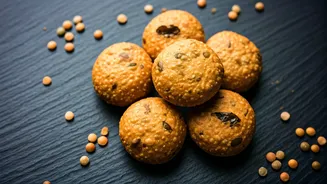
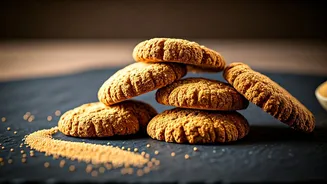
Turning amaranth flour into a biscuit is a stroke of genius. It solves the convenience problem. While cooking amaranth from scratch can be time-consuming, a biscuit offers perfect portion control and requires zero preparation. The format also makes the unique taste of amaranth more accessible. The nutty, slightly malty flavour is complemented by the satisfying crunch of a biscuit, making it a delightful alternative to processed flour snacks. It’s a snack that parents can feel good about giving to children and that adults can enjoy as a guilt-free tea-time companion or a post-workout bite.
How to Choose the Best Amaranth Biscuit
While the headline makes a bold claim, the 'best' biscuit is the one that stays true to the grain's healthy origins. Not all amaranth biscuits are created equal. When shopping, turn the packet over and read the label. Look for biscuits where amaranth or rajgira flour is listed as the primary ingredient, not just a minor addition. Watch out for hidden sugars and refined flours (maida) that can negate the health benefits. The ideal choice is a biscuit with minimal, recognizable ingredients, perhaps sweetened naturally with jaggery or dates. The goal is to enjoy the goodness of amaranth without a side of unhealthy additives.