





We track the outdoor AQI, wear masks, and worry about smog. But what if the biggest threat is the air inside our own homes? The invisible danger of indoor pollution is real, and it's time we paid attention.
The Invisible Intruder: What is PM2.5?
PM2.5 refers to fine particulate matter with
a diameter of 2.5 micrometres or less—about 30 times smaller than a human hair. Because of this microscopic size, these particles can bypass the body's natural defences, like nasal hairs, and penetrate deep into the lungs. From there, they can even enter the bloodstream, triggering or worsening a host of health issues. Short-term exposure can cause irritation in the eyes, nose, and throat, as well as coughing and shortness of breath. Long-term exposure is far more sinister, linked to chronic conditions like heart disease, stroke, respiratory infections, and even cancer. The World Health Organization (WHO) considers PM2.5 the most dangerous pollutant for this reason and has set a stringent 24-hour safe limit of just 15 micrograms per cubic metre (µg/m³).
Your Home is Not a Fortress Against Pollution
It’s a common misconception that closing your doors and windows shields you from the toxic air outside. The reality is that modern homes are not airtight. Outdoor pollutants relentlessly find their way inside through gaps in window and door frames, ventilation systems, and other small cracks in the building’s structure. In fact, studies show that indoor air can be two to five times more polluted than the air outside. This is because once outdoor pollutants get in, they become trapped. Compounding the problem are the numerous sources of pollution generated right inside our homes. Everyday activities common in Indian households, such as cooking with gas stoves, burning incense or 'diyas', and using certain cleaning products, all release PM2.5 and other harmful compounds into the air. Even furniture made from particleboard can off-gas chemicals, adding to the toxic soup.
You Cannot Manage What You Do Not Measure
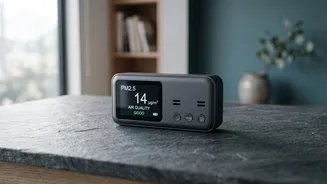
The greatest challenge with indoor PM2.5 is that it's invisible. You cannot see, smell, or taste these harmful particles, so you have no way of knowing when your family is being exposed to dangerous levels. This is where indoor air quality monitoring becomes essential. An air quality monitor is a small device that continuously measures pollutants in your home, giving you real-time data on the air you are breathing. It takes the guesswork out of air quality management. Without a monitor, you are essentially flying blind. You might run an air purifier, but is it working effectively? You might open a window for ventilation, but what if the outdoor air is even more polluted at that moment? A monitor provides the crucial data needed to make informed decisions. It tells you exactly when pollution levels spike—for example, during cooking or when outdoor smog is severe—allowing you to take immediate and effective action.
From Monitoring to Meaningful Action
An air quality monitor is more than just a device that shows you numbers; it’s a tool for empowerment. By understanding the pollution patterns in your home, you can identify the primary sources and take targeted steps to address them. For instance, if you notice a sharp spike in PM2.5 every time you cook, you'll know to use an exhaust fan and open the kitchen door. If levels are high throughout the day, it might indicate significant infiltration from outside, suggesting the need for better sealing or a more powerful air purifier. Monitoring also helps you verify the effectiveness of your solutions. You can see a direct, measurable drop in PM2.5 levels after turning on your HEPA filter purifier, confirming that it is doing its job and giving you peace of mind. This feedback loop—measure, act, verify—is the most effective strategy for consistently maintaining healthier air inside your home. It transforms air quality from an abstract concern into a manageable aspect of your family's health and well-being.