




From Feasting to Feeling Good
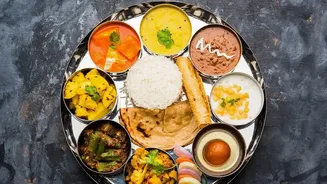
Indian festivals are a vibrant assault on the senses, with food at the heart of every celebration. Traditionally, this meant an abundance of deep-fried snacks, decadent curries, and sweets laden with sugar and ghee. The cycle was predictable: weeks of joyous
feasting followed by bloating, lethargy, and the inevitable post-festival guilt. Now, a significant cultural shift is underway. The all-or-nothing approach is being replaced by a philosophy of mindful moderation. Rather than completely abstaining from beloved treats, people are learning to savour them in smaller portions while balancing them with healthier choices. The goal is no longer just to celebrate, but to do so in a way that nourishes both body and soul, leaving you feeling energized, not exhausted.
The Rise of the Conscious Consumer
Several factors are driving this change. A surge in health consciousness across India, particularly among millennials and Gen Z, is a primary catalyst. There is a greater awareness of lifestyle diseases and a proactive desire to improve overall well-being. This is reflected in consumer behaviour, with a growing demand for transparency and detailed product information on labels. Nutritionists and health influencers on social media have also played a crucial role, demystifying nutritional science and offering practical tips for healthier living. They advocate for mindful eating—paying attention to your body's hunger cues and savouring each bite—which helps prevent overconsumption. The conversation has moved from restrictive dieting to creating a sustainable, positive relationship with food.
The New Festive Menu
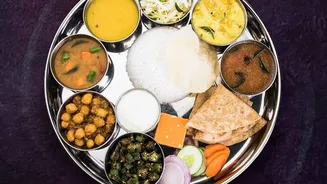
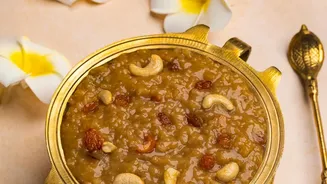
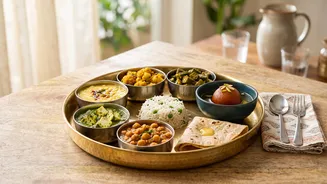
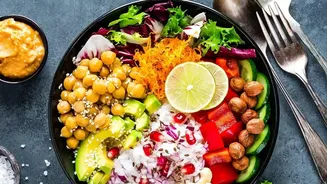
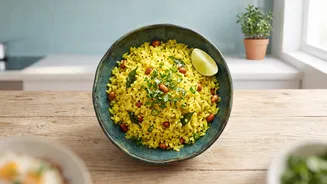
This new mindset is transforming the festive platter itself. Traditional sweets are being reimagined with healthier ingredients. Refined sugar is being swapped for natural sweeteners like dates and jaggery. Maida (refined flour) is giving way to whole grains and millets like ragi (finger millet) and jowar (sorghum). You can now find everything from millet modaks and ragi laddoos to baked gujiyas and date-and-nut barfis. Savoury snacks are also getting a makeover, with a preference for baked or air-fried versions of samosas and pakoras over their deep-fried counterparts. The focus is on incorporating more fibre through salads and vegetables and ensuring plates have a good balance of protein, carbs, and healthy fats.
A Holistic Approach to Celebration
The shift extends beyond just the food on the plate. It's about a more holistic view of well-being during the festive season. This includes staying hydrated with water, coconut water, or buttermilk instead of sugary drinks. It also means incorporating light physical activity, like a daily walk, to aid digestion and maintain energy levels. Rather than starving before a big party—a tactic that often backfires and leads to overeating—experts suggest having a small, healthy snack beforehand. The emphasis is on consistency and balance, enjoying the celebrations without completely derailing healthy habits. Planning ahead by identifying main feast days allows for lighter 'buffer' days before and after, helping to manage overall calorie intake without missing out on the fun.
The Market Caters to the Craving for Health
The food industry has been quick to respond to this evolving consumer demand. Local sweet shops and large food brands alike are now offering extensive ranges of 'healthy' festive options, from sugar-free sweets to millet-based snacks. This trend is also visible in festive gifting, where traditional mithai boxes are increasingly being replaced with curated hampers of gourmet foods, wellness products, and artisanal goods. Consumers are now looking for gifts that are not just indulgent but also relevant and thoughtful. While healthier options can sometimes come at a premium, the growing market indicates a clear and sustained interest in products that offer a balance of taste, tradition, and nutrition.