







Why Monsoon Increases Food Risks
The rainy season creates a perfect storm for germs. High humidity and moisture provide an ideal breeding ground for bacteria, viruses, and fungi. [15, 22] Water sources can become contaminated due to overflowing sewers and waterlogging, increasing the
risk of diseases like cholera, typhoid, and gastroenteritis. [2, 3] This contaminated water can find its way into the food chain, especially at street food stalls. [19] Furthermore, the human digestive system tends to slow down in humid weather, making us more vulnerable to infections. [10, 13] These factors combined mean that a snack that is perfectly safe in summer could pose a health threat during the monsoon.
The Street Food Dilemma: What to Avoid
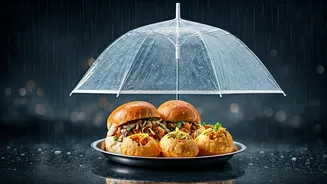
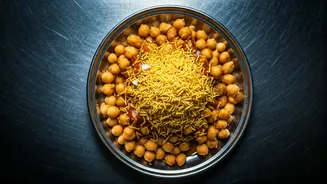
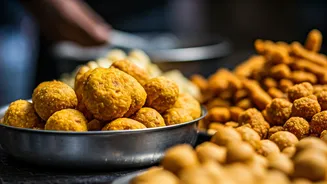
Street food is an integral part of the Indian travel experience, but it requires the most vigilance during the rains. Many beloved snacks become high-risk. Pani puri, for instance, often uses untreated water for its 'pani', making it a primary culprit for infections. [7, 13] Similarly, raw chutneys, pre-cut fruit salads, and juices from roadside vendors should be avoided as they may be prepared with contaminated water or exposed to flies and dust. [9, 14, 16] Even seemingly safe fried items like pakoras and samosas can be risky if prepared in unhygienic conditions or left sitting out for long periods. [10, 18]
High-Risk Foods to Skip
Beyond street food, certain food categories are best avoided or consumed with extreme care during monsoon travel.
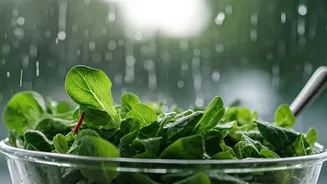
* **Leafy Greens:** Vegetables like spinach and cabbage grow close to the ground and can be laden with dirt, germs, and worms during this season. [12, 13] The damp leaves are also a perfect environment for microbial growth. If you must eat them, ensure they are thoroughly washed and well-cooked. [23]
* **Seafood:** The monsoon is the breeding season for many fish and prawns, making them less fresh. [10] The risk of contamination is also higher, so it's wise to limit seafood consumption or ensure it's sourced from a reputable place and cooked to a high temperature. [9]
* **Dairy Products:** Items like curd, milkshakes, and sweets from open stalls can spoil quickly in humid weather. [9, 16] Unless you are certain they are made from pasteurised milk and stored correctly, it is safer to skip them.
Making Safer Choices on the Go
Being cautious doesn't mean you have to starve. The key is to choose wisely. Opt for food that is served piping hot, as high temperatures kill most germs. [14, 17] Freshly cooked meals from busy restaurants are generally a safer bet than food that has been sitting in a display case. Safer options include:
* **Steaming hot dishes:** Items like idlis, dosas, steamed momos, and hot soups are excellent choices. [17, 19]
* **Freshly roasted or fried snacks:** Roasted corn on the cob (bhutta) and freshly fried pakoras (eaten immediately) are relatively safe due to the high cooking heat. [7]
* **Packaged and sealed goods:** Factory-sealed snacks like chips and biscuits are always a safe bet when you're unsure about local options. [7]
* **Fruits you can peel:** Bananas, oranges, and pomegranates are great choices as you can peel them yourself, minimising contamination. [9]
Hydration and General Hygiene
Staying hydrated is crucial, but where you get your water from matters immensely. Never drink tap water. Always stick to sealed bottled water from a reputable brand or carry your own boiled or filtered water. [15, 17] Avoid ice in your drinks, as it's often made with unsafe water. [17, 18] Instead of cold juices, opt for hot beverages like tea or coffee. [21] Beyond food, basic hygiene is your best defence. Wash your hands thoroughly with soap and water before eating, or use an alcohol-based hand sanitiser. [8, 23] Choose eateries that look clean and are frequented by many customers, as this indicates a high turnover of fresh food. [20]