
Storing Raw, Prepped Ingredients
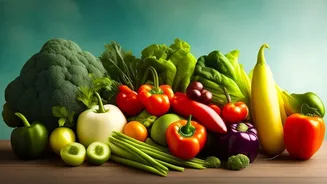
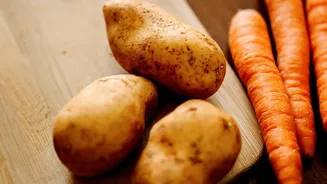
The first stage of many meal prep plans involves preparing raw ingredients. This includes chopping vegetables, portioning raw meat, or mixing marinades. Proper storage at this phase is critical to prevent bacterial growth and cross-contamination. Always
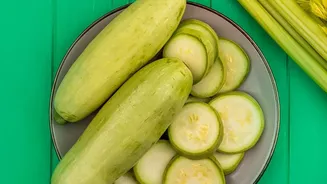
store raw meat, poultry, and fish on the bottom shelf of your refrigerator in sealed, leak-proof containers. This prevents their juices from dripping onto and contaminating other foods. Most raw ground meats and poultry should be used within one to two days, while steaks and chops can last for three to five days when refrigerated properly at or below 40°F (4°C). Chopped vegetables can be stored in airtight containers for several days, but be mindful that some, like onions and peppers, may lose their crispness. To maintain freshness, you can place a paper towel in the container to absorb excess moisture.
Handling Partially Cooked Foods
Sometimes, meal prep involves partially cooking components to save time later. This might include par-boiling potatoes, searing a roast, or blanching vegetables. This stage can be tricky from a food safety perspective. When you partially cook food, you may bring it into the 'temperature danger zone' (40°F to 140°F or 4°C to 60°C), where bacteria multiply rapidly. If you partially cook food, it's essential to cool it down quickly before refrigerating. Never leave partially cooked food at room temperature. The safest practice, recommended by food safety experts, is to finish the cooking process immediately or cool it and refrigerate it with the intention of cooking it to its full, safe internal temperature later. Be extra cautious with items like partially cooked ground meat, which should always be cooked thoroughly in one go to be safe.
Storing Fully Cooked Meals
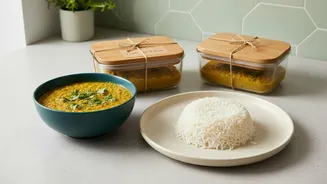
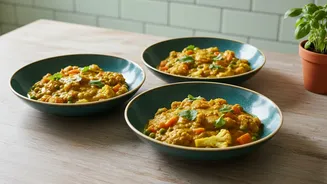
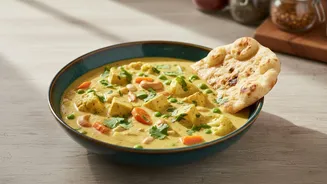
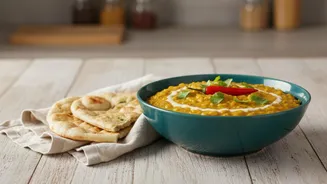
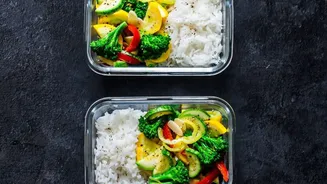
This is what most people think of as meal prep: complete, ready-to-eat dishes. Once cooked, food must be handled carefully to ensure it remains safe for consumption throughout the week. The golden rule is to cool hot food as quickly as possible—and always within two hours of cooking. To do this, divide large batches of food like soups, stews, or casseroles into smaller, shallow containers. This allows the heat to dissipate faster. You can even place the containers in an ice water bath to speed up the process. Once cooled, seal them in airtight containers and place them in the fridge. Most cooked meals will last for three to four days in the refrigerator. For longer storage, the freezer is your best friend. Properly frozen meals can last for three to four months, preserving both safety and quality.
Best Practices for All Stages
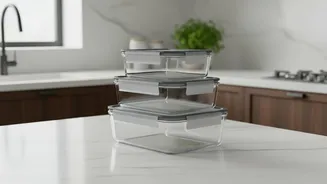
Regardless of the cooking stage, a few universal rules apply. Use high-quality, airtight containers to protect your food from air and moisture, which accelerate spoilage. Glass containers are an excellent choice as they don't stain or retain odors and are safe for reheating. Always label your containers with the contents and the date you prepped them. This helps you keep track of what needs to be eaten first. Maintain your refrigerator at or below 40°F (4°C) and your freezer at 0°F (-18°C) to slow bacterial growth effectively. Finally, when in doubt, throw it out. If a prepped meal looks or smells suspicious, it's not worth the risk.