






Know the Lunar Schedule
The biggest challenge for skywatchers this month is the Full Hunter's Moon on October 26. Its brightness will peak in the last week, making it difficult to spot fainter objects. The key is to plan your viewing sessions around the moon's phases. The best
opportunities will be in the first half of the month. The New Moon falls on October 10, which means the nights surrounding this date will be the darkest and most favourable for stargazing. After the New Moon, the waxing crescent will provide relatively dark skies for a few more days, but as the month progresses towards the Full Moon, the challenge increases significantly.
Catch Two Meteor Showers
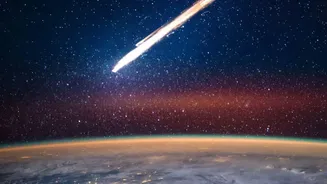
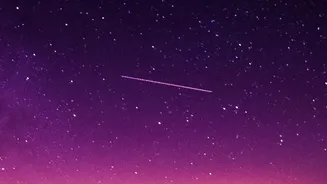
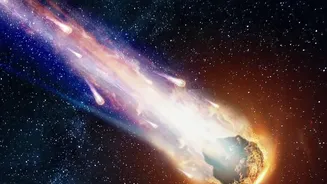
October hosts two meteor showers: the Draconids and the Orionids. The Draconids are first, peaking on the night of October 8-9. This is great news for observers, as the peak occurs just before the New Moon, promising excellent, dark-sky conditions. Unlike many showers, the Draconids are best viewed in the early evening, just after sunset. Later in the month, the Orionids, known for fast, bright meteors from Halley's Comet, peak on October 21-22. This coincides with a bright waxing gibbous moon. All is not lost, however. The moon will set a few hours before dawn, opening a window of darkness for dedicated observers to catch the show in the pre-dawn hours.
Focus on Bright Planets
When moonlight washes out faint stars and meteors, turn your attention to the planets. October 2026 is a fantastic month for planet-watching. Saturn is the star of the show, reaching opposition on October 4. This means it will be at its biggest and brightest for the year, visible all night long as a steady, bright point of light. Even a basic pair of binoculars might give you a sense of its shape, while a small telescope will reveal its famous rings. Early risers can also see a beautiful pairing in the pre-dawn sky: on October 5, the Moon will appear close to Mars, and on October 6, it will sidle up to the brilliantly bright Jupiter.
Master Your Timing
A bright moon doesn't have to be a deal-breaker if you plan around its schedule. On any given night, even when the moon is nearly full, there are times when it is not in the sky. Use a stargazing app or website to check the local moonrise and moonset times for your location in India. To see the Orionids during their moonlit peak, for example, you'll need to wait for the moon to set, which happens around 3 a.m. local time. This leaves a couple of precious, dark hours before twilight begins. Planning your session for after moonset or before moonrise is a professional-level trick that can transform a washed-out night into a memorable one.
Location and Adaptation are Key
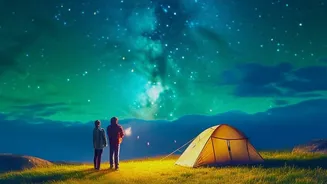
When competing with moonlight, reducing man-made light pollution becomes even more critical. Escaping the glow of cities like Delhi, Mumbai, or Bengaluru will dramatically increase what you can see. Find a spot with a clear, wide view of the sky, away from streetlights and buildings. Once you're there, give your eyes at least 20-30 minutes to adapt to the darkness. Avoid looking at your bright phone screen; use a red flashlight if you need light, as it's less damaging to your night vision. Another clever trick is to use natural or man-made structures to physically block the moon from your direct line of sight. Standing in the shadow of a hill or building can help your eyes perceive more of the faint starlight.