

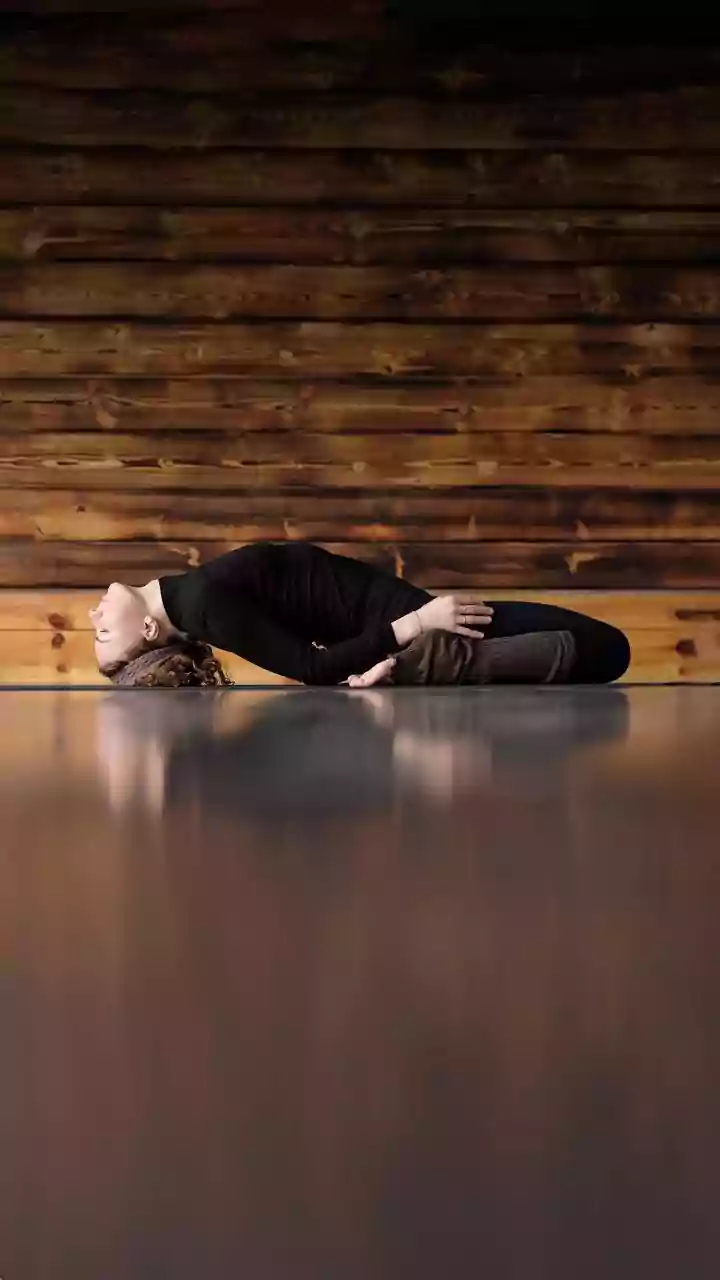
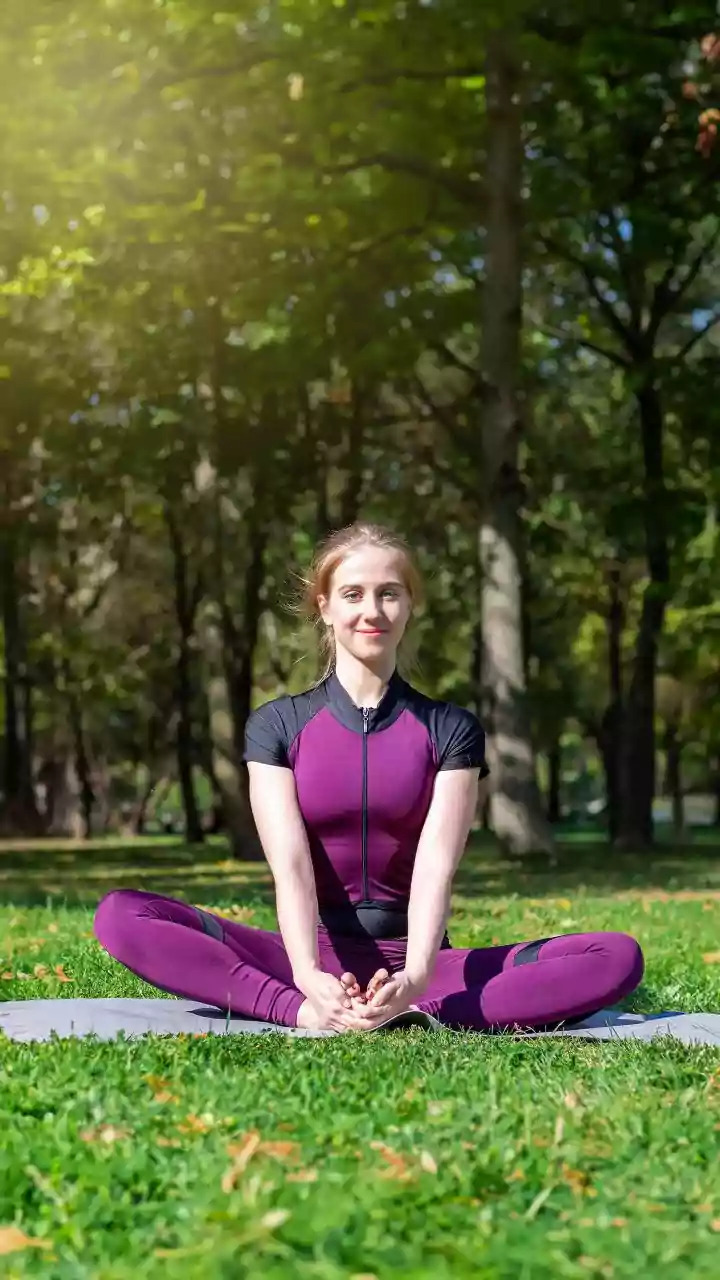



The Morning Routine: Awaken and Energise
Practising yoga in the morning aligns with your body's natural waking cycle. As the sun rises, your system is already primed for alertness, with a natural increase in the hormone cortisol to help you wake up. A morning yoga session works with this rhythm
to invigorate your body and mind. Dynamic movements and specific poses can stimulate circulation, boost your metabolism, and sharpen mental focus for the day ahead. Studies suggest that morning exercise can improve your mood and cognitive function throughout the day. Even a short session can set a positive and mindful tone, helping you handle daily stressors more effectively. Many find it easier to build a consistent habit in the morning when distractions are fewer.
Energising Poses to Start Your Day
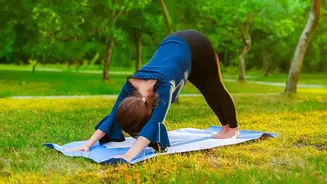
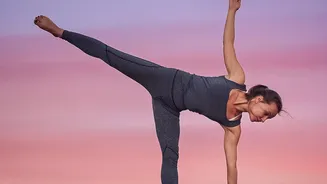
To get the most out of your morning practice, focus on poses that create energy and openness. Sun Salutations (Surya Namaskar) are a classic choice, as this flowing sequence warms up the entire body and links breath with movement. Standing poses like Warrior I and Warrior II build strength and stability, while heart-opening poses like Camel Pose (Ustrasana) and Cobra Pose can give you an extra boost of energy. Cat-Cow Stretch is excellent for gently waking up the spine, improving circulation between the vertebrae after a night of rest. These movements help shake off any morning stiffness and prepare your body for the activities ahead.
The Evening Ritual: Unwind and Restore
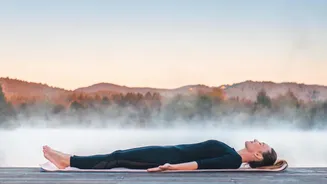
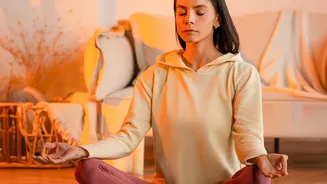
After a long day of activity and mental stimulation, an evening yoga practice serves a different but equally important purpose: to transition your body and mind toward rest. The goal here is not to build heat but to release tension, calm the nervous system, and prepare for quality sleep. Gentle yoga before bed helps activate the parasympathetic nervous system, often called the "rest and digest" mode, which lowers stress hormone levels and slows your heart rate. Research has shown that a regular evening practice can improve sleep quality, help you fall asleep faster, and reduce nighttime wake-ups. It acts as a buffer between the busyness of your day and the stillness of the night, allowing you to consciously let go of stress.
Calming Poses for a Restful Night
Your evening sequence should be gentle, slow, and grounding. Focus on poses that release common areas of tension like the hips, lower back, and shoulders. Child's Pose (Balasana) is a deeply restorative posture that quiets the mind and gently stretches the back. Forward folds, such as the Head-to-Knee Pose (Janu Sirsasana), are introspective and help calm the brain. Gentle spinal twists like the Reclining Spinal Twist (Supta Matsyendrasana) can help release tension from the day. One of the most effective restorative poses is Legs-Up-The-Wall (Viparita Karani), which encourages relaxation and can help soothe tired legs. The focus should always be on ease and deep breathing rather than achieving an advanced expression of the posture.
Creating Your Personalised Routine
The most effective yoga routine is one that you can stick with consistently. You don't need to commit to an hour-long practice twice a day. Even ten to fifteen minutes in the morning and evening can have a profound impact. On busy days, a morning routine might consist of a few rounds of Sun Salutations, while the evening might just be a few gentle stretches in bed. The key is to listen to your body. Some days you might crave a more dynamic morning flow, while other days a gentle start is what's needed. Similarly, your evening practice can be adjusted based on the day's stress levels. The beauty of yoga is its adaptability. It is not about forcing a routine but about developing a conscious relationship with your body's needs.