





An Accelerating Crisis for Our Heritage
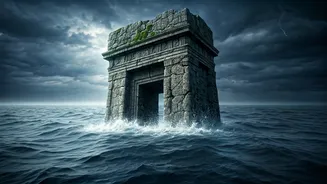
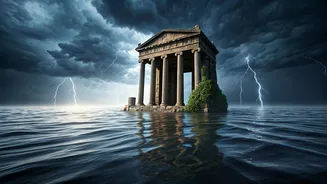
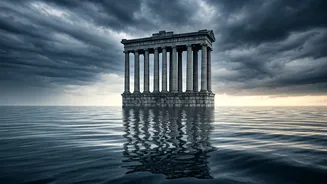
The evidence of climate change's impact on India's historical sites is undeniable and growing. Coastal monuments like the Elephanta Caves near Mumbai and Odisha's Konark Sun Temple face a long-term threat from rising sea levels and increased storm frequency.
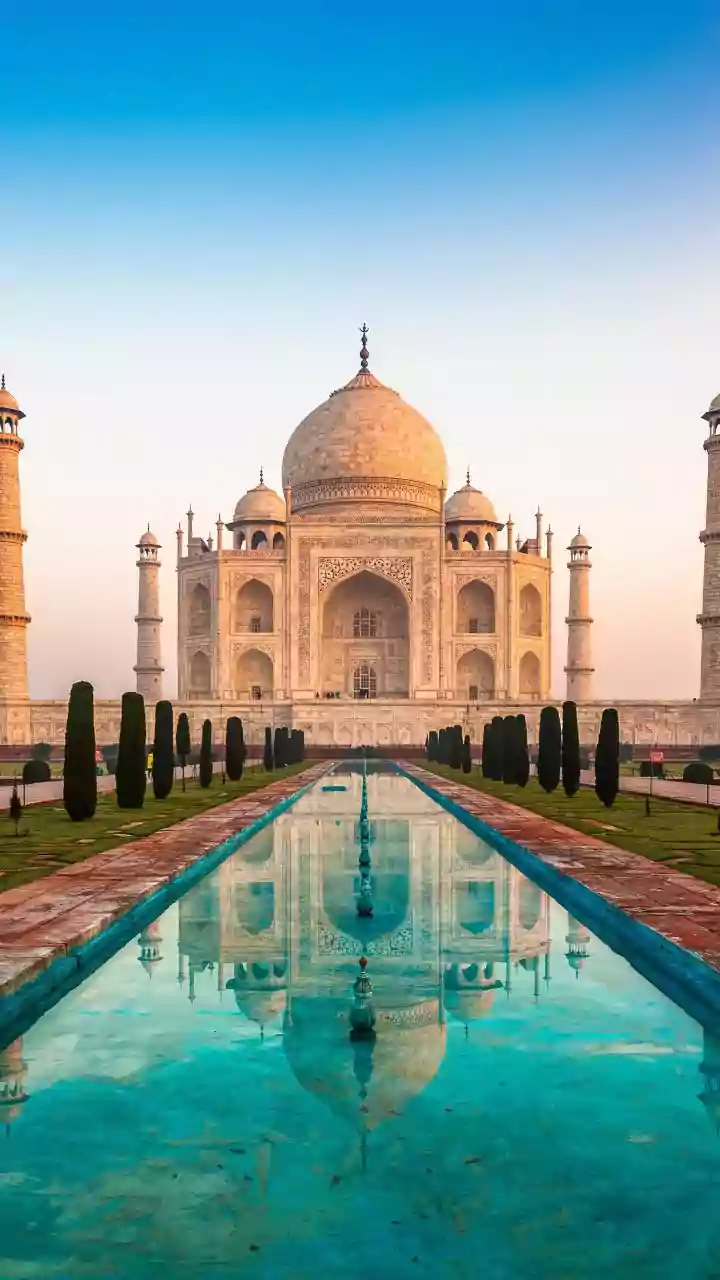
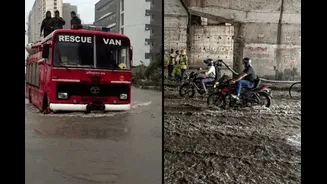
Unusually heavy rains have caused walls to collapse at ancient structures like Rajasthan's Sonar Fort. Extreme heat and humidity are not just uncomfortable for tourists; they accelerate the decay of delicate materials like stone and ancient murals, leading to cracks and the growth of damaging algae. This is visible at sites from the temples of Bhubaneswar to the iconic Taj Mahal, where pollution and climatic stress cause degradation. These are not isolated incidents but symptoms of a systemic crisis. Structures that have stood for centuries were not designed to withstand the volatile weather patterns and environmental stresses that are becoming our new normal.
More Than Just Stone and Mortar
Losing these monuments, or allowing them to degrade, is not just a cultural tragedy—it's an economic and social one. These sites are the pillars of local tourism economies, supporting countless livelihoods. They are also profound symbols of our shared identity and history. When a part of a fort collapses or a temple carving erodes, we lose more than just an artifact; we lose a piece of our collective story and a vital economic asset. According to UNESCO, one in six cultural heritage sites globally is already threatened by climate change, a number that is only expected to rise. This degradation directly impacts the visitor experience and, consequently, tourism revenue. The responsibility for preservation, therefore, cannot lie solely with archaeologists and conservation bodies. It is a shared responsibility, especially for those who benefit most directly from their existence.
The Crucial Role of Tourism Boards
Tourism boards are uniquely positioned to lead the charge. Traditionally focused on marketing and increasing footfall, their mandate must evolve. Promoting a destination while ignoring the long-term threats to its core attractions is an unsustainable strategy. Tourism boards have the marketing power, the industry connections, and the vested economic interest to drive a proactive agenda. They can and should be the central node connecting government bodies like the Archaeological Survey of India, scientific institutions, and local communities. By championing and helping to fund climate-smart preservation, they are not just protecting heritage; they are safeguarding their own industry's future. This is a shift from being passive marketers to active custodians of the assets they promote.
What Does a 'Climate-Smart' Plan Look Like?
A climate-smart monument plan goes beyond routine maintenance. It involves a multi-pronged, forward-looking strategy. First is comprehensive risk assessment: using climate models to understand which specific threats—flooding, heat, erosion—a site will face in the coming decades. Second is implementing adaptation measures. This could mean building natural buffers like mangrove forests for coastal sites, improving drainage systems to handle intense rainfall, or installing early warning systems for extreme weather events. Third is investing in sustainable practices. This includes promoting building reuse, managing visitor flow to reduce stress on fragile sites, and even shifting to renewable energy sources, as planned for the Konark Sun Temple town. Finally, it means embracing new approaches, such as high-precision 3D digital scanning to preserve a monument's memory and aid in future restoration, ensuring that even if physical damage occurs, the knowledge is not lost.