







Embrace Light, Cooked Meals
The monsoon season, according to Ayurveda, is a time when our digestive fire, or 'agni', is naturally weaker. The high humidity can make us feel sluggish and bloated. Traditional wisdom advises steering clear of heavy, oily, and fried foods that are hard
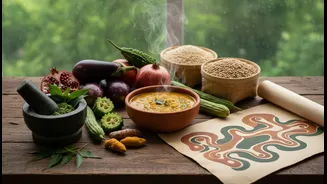
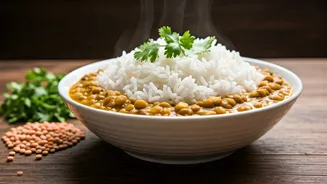
to digest. Instead of deep-fried pakoras, which can cause acidity, opt for lighter snacks like roasted corn (bhutta) or steamed vegetables. Favour warm, freshly prepared meals like khichdi, which is considered an ideal monsoon food because it's easy on the stomach and provides balanced nutrition. Warm soups made with seasonal vegetables like bottle gourd (lauki) and ridge gourd (turai) are also excellent choices to keep you warm and healthy from the inside out.
Harness the Power of Spices
Spices are the heart of an Indian kitchen, and during the monsoon, they become our first line of defence. Humidity can make us more susceptible to infections. Spices like turmeric (haldi), ginger (adrak), garlic (lehsun), black pepper (kali mirch), and asafoetida (hing) are not just for flavour; they have powerful digestive and immunity-boosting properties. Ginger, in particular, is celebrated for aiding digestion and can be had with rock salt before meals. Incorporating these warming spices into your dals, soups, and vegetable preparations can help kindle your digestive fire and ward off seasonal colds and coughs. A daily cup of herbal tea with ginger and tulsi can also be a comforting and protective ritual.
Rethink Your Dairy and Greens
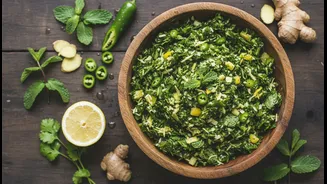
While dairy is a staple, full-fat products can be heavy on the system during this time. Traditional advice suggests favouring lighter dairy forms. Buttermilk (chaas) is highly recommended as it cools the body, aids digestion, and replenishes electrolytes. It is a much better choice than heavy curds or full-fat milk. Similarly, while leafy greens are healthy, they are best avoided or consumed with caution during the monsoon. The damp conditions make them prone to carrying mud, germs, and insects. If you do eat them, they must be washed very thoroughly and cooked completely. It’s wiser to stick to vegetables like bitter gourd (karela) and pumpkin, which have less risk of contamination.
Master the Art of Food Storage
Humidity is the enemy of a well-stocked pantry. It turns crisp biscuits soggy, makes salt and sugar clump into hard rocks, and invites mould and insects into our grains and spices. The age-old solution is simple: airtight containers. Transfer everything—from spices and flour to biscuits and dry fruits—from their original packets into clean, dry, airtight jars, preferably glass. For an extra layer of protection for grains and pulses, add a few dried bay leaves or neem leaves to the container; their natural properties help keep pests and moisture away. Storing vegetables correctly is also key. Always wipe them dry before refrigerating to prevent them from spoiling quickly.
Keep Your Kitchen Scrupulously Clean
A clean kitchen is a safe kitchen, especially when dampness encourages bacteria and mould to thrive. Our grandmothers knew the importance of a meticulously maintained cooking space. This means wiping down kitchen counters frequently, ensuring there's no standing water, and regularly cleaning the refrigerator to prevent mould growth from spills. Use a dry spoon every time you dip into a jar of spices or pickles to prevent introducing moisture that leads to spoilage. Regularly cleaning and ventilating the kitchen, perhaps with the help of an exhaust fan, reduces the overall humidity and keeps the environment hygienic and safe for food preparation.