

The Great Beige Fade-Out
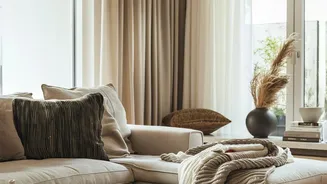
Walk through any recently decorated home a few years ago, and you’d be forgiven for thinking there was a global shortage of colour. Walls, sofas, rugs, and even art were often swathed in coordinated shades of beige, greige, and off-white. This aesthetic,
born from a desire for clean, uncluttered, and minimalist spaces, served a purpose. It was calming, simple, and undeniably safe. But design fatigue is setting in. What once felt serene now often feels sterile and impersonal. The very uniformity that made beige popular is now its biggest drawback, leaving spaces lacking depth, personality, and the layered richness that makes a house feel like a home.
A Shift Towards Authenticity and Wellness
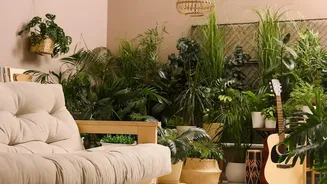
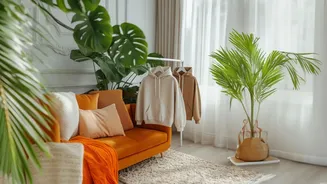
The move away from beige isn't just about colour; it's a philosophical shift. In a world dominated by screens and synthetic surfaces, there's a growing desire for authenticity and a connection to nature. This is where biophilic design—a practice focused on connecting people with nature indoors—becomes more than a buzzword. It's about creating environments that support our well-being. Homeowners are no longer just decorating; they are curating spaces that make them feel grounded, calm, and healthy. This means choosing materials that are not only beautiful but also have a positive impact on our indoor air quality and overall comfort.
Spotlight on Materials: Wood, Stone, and Cane
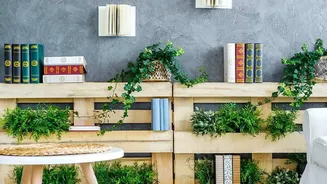
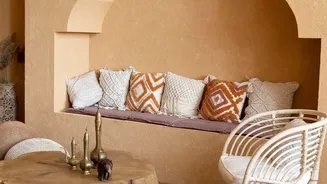
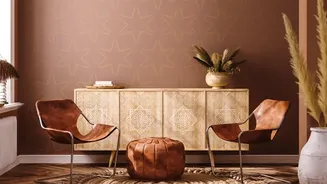
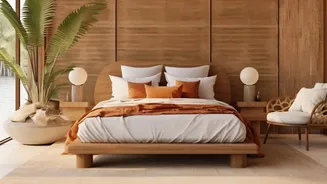
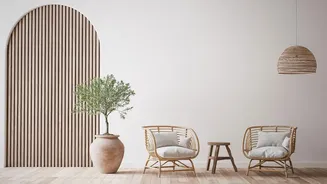
As beige steps back, natural materials are taking centre stage. Wood, in all its forms—from reclaimed timber to light bamboo—is celebrated for the warmth and character of its grain. It's being used for more than just flooring and furniture; think panelled walls and decorative accents. Stone, including varieties like marble, Kota stone, and slate, brings a timeless, earthy elegance to countertops, floors, and even walls. Meanwhile, lighter materials like cane and rattan are having a major moment. Once relegated to outdoor furniture, they are now prized indoors for adding texture and a handcrafted feel to chairs, cabinets, and light fixtures.
The Power of Tactile Textiles
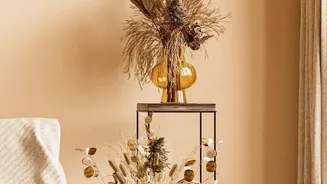
Perhaps the easiest way to embrace this trend is through textiles. Swapping out synthetic fabrics for natural ones can instantly transform the feel of a room. Breathable cotton and linen for bedding and curtains offer a relaxed, soft look. Jute and wool rugs add incredible texture and warmth underfoot. These materials are not about perfection; their subtle variations and natural textures are what make them appealing. They make a space feel more comfortable, inviting, and visually forgiving, moving away from a rigid showroom aesthetic to one that supports and enhances everyday life.
Bringing the Trend Home in India
This global trend has deep roots in Indian design traditions, where materials have long been chosen for their climate suitability and local availability. Terracotta, with its cooling properties, is perfect for floors and accent walls. Jute, a fibre native to the region, adds a warm, rustic feel to walls and rugs. Using sustainable and locally sourced materials like bamboo, reclaimed wood, and natural stone is not only an aesthetic choice but a practical one that improves air quality and durability in the Indian climate.