



Understanding the 'K': What Karat Really Means
Before comparing, it's essential to understand what 'karat' (K) stands for. Karat is the unit used to measure the purity of gold. The system is a scale of 24 parts, where each part represents 1/24th of the whole. Think of it like a percentage. The higher
the karat number, the greater the amount of pure gold in your jewellery. This measurement is crucial because gold in its purest form is rarely used for intricate ornaments, which leads us to the two most common options in the Indian market.
24-Karat Gold: The Purest Choice
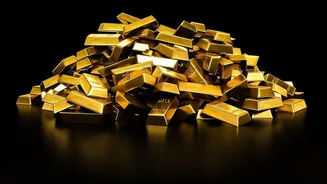
24K gold is the purest form you can buy, containing 99.9% gold with no other metals mixed in. This purity gives it a distinct, bright, and rich yellow colour that is highly sought after. Because of its high purity, 24K gold is the most expensive per gram and is often the preferred choice for investment purposes, such as buying gold coins or bars. Its value is directly tied to the market rate of pure gold. However, this purity comes with a significant drawback for jewellery: it is extremely soft and malleable.
22-Karat Gold: The Standard for Jewellery
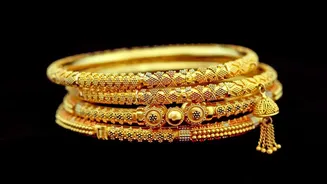
22K gold, often called '916 gold', is composed of 91.67% pure gold, with the remaining 8.33% made up of other metals. These additional metals, known as alloys, typically include copper, silver, or zinc. The primary reason for adding these alloys is to enhance the metal's strength and hardness. This blend creates a metal that is far more durable than its 24K counterpart, making it the standard and most popular choice for crafting jewellery in India.
Durability and Daily Wear: The Key Difference
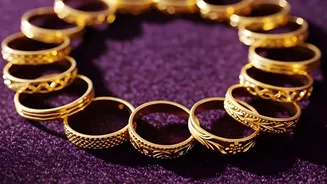
The most significant change when choosing between 22K and 24K gold is durability. Pure 24K gold is so soft that it can bend, scratch, and deform easily, making it impractical for jewellery intended for regular use, especially rings and bangles. Daily activities can quickly lead to visible wear and tear. In contrast, the alloys in 22K gold make it much harder and more resilient. This added strength ensures that intricate designs hold their shape and the jewellery can withstand the rigours of everyday wear without getting easily damaged.
Design, Price, and Resale Value
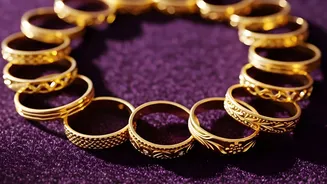
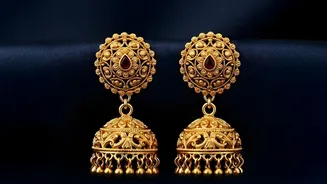
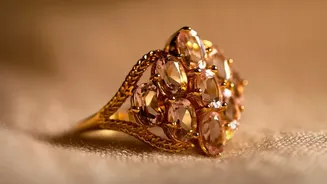
The softness of 24K gold limits its design possibilities to simpler, often thicker pieces. The robustness of 22K gold, however, allows jewellers to create a wide array of intricate and delicate designs, which is why most traditional Indian bridal and festive jewellery is made from it. In terms of price, 24K gold is more expensive per gram due to its higher purity. However, the final cost of a jewellery piece also includes making charges and taxes. When it comes to resale, the value is determined by the weight and purity of the gold. While 24K gold has a higher intrinsic value, 22K jewellery is more practical to own and wear, and its value is still based on a high percentage of pure gold.
Which One Should You Buy?
Your choice ultimately depends on your purpose. If you are buying gold purely as an investment and want the highest purity, 24K gold in the form of coins or bars is the ideal choice. For jewellery that you intend to wear, whether daily or on special occasions, 22K gold is the superior and more practical option. It offers the perfect balance of high purity, durability for detailed designs, and long-lasting wear. When making a purchase, always look for the Bureau of Indian Standards (BIS) hallmark to ensure the authenticity and purity of your gold.