



More Than Just Standing
In yoga, Mountain Pose is considered the blueprint for all other standing postures. While it appears simple, doing it correctly involves activating muscles throughout the body to create stability and proper alignment. The goal is to feel grounded and steady,
like a mountain rooted deep into the earth. This active engagement starts from the ground up, turning a simple stance into a full-body experience that improves posture, enhances body awareness, and calms the mind. The real work isn't visible to the outside eye; it's an internal process of creating energetic lift and stability, beginning with how you use your legs.
Start with a Solid Foundation
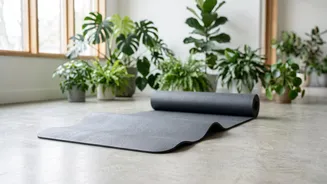
Proper leg engagement begins with your feet. You can stand with your big toes touching and heels slightly apart, or with feet parallel and hip-width apart for more stability. The key is to distribute your weight evenly across the four corners of each foot: the base of the big toe, the base of the little toe, and the two sides of your heel. Try lifting all ten toes, spreading them wide, and then placing them back down on the mat. This simple action helps you feel the ground and naturally lifts the inner arches of your feet, which is crucial for preventing flat feet and creating an upward flow of energy. This firm, balanced base is the bedrock upon which the entire pose is built.
Activate Your Thighs and Knees
One of the most important cues in Tadasana is to 'lift your kneecaps'. This is achieved by firming the quadriceps muscles on the front of your thighs. When you contract your quads, you'll feel your kneecaps gently draw upward. This action straightens and strengthens the legs, providing support for the joints. However, it's crucial to avoid locking your knees by pushing them backward. Instead, maintain a 'micro-bend' in the knees. This keeps the joint safe and the muscles engaged, creating a dynamic tension that supports you without causing strain. This active engagement of the thighs is a primary driver of stability in the pose.
Balance with Hamstrings and Glutes
While the quadriceps are lifting the front of the legs, the hamstrings on the back of the thighs should also be active to create balance. Think of slightly tightening the hamstrings, as if you are trying to drag your heels back without actually moving them. Simultaneously, the gluteal muscles should be engaged to maintain a neutral pelvis, but not forcefully clenched. A common cue is to lengthen your tailbone down toward the floor. This subtle action helps prevent the lower back from over-arching and keeps the pelvis stable. The engagement should feel supportive and toning, not tight or restrictive.
The Subtle Spiral of the Inner Thighs
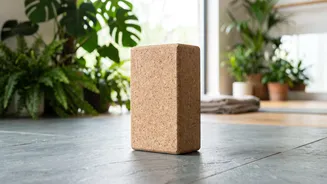
To complete the leg engagement, imagine a gentle internal rotation of your thighs. This doesn't mean turning your feet inward; the feet should remain pointing forward. Instead, the sensation is one of the tops of the thighs rolling slightly toward each other. A helpful way to feel this is to imagine you are squeezing a yoga block between your upper thighs. This action engages the adductor muscles of the inner thighs, creating a hugging-in sensation toward your body's midline. This inward spiral adds another layer of stability, firming the hips and connecting the power of the legs to your core.
Putting It All Together
When all these actions combine, your legs are no longer just passive pillars. They become active, energetic columns of support. From the four corners of the feet pressing down, the arches lift. The kneecaps draw up as the quads engage, balanced by the firm hamstrings. The thighs spiral inward as the tailbone lengthens down, connecting everything to a stable pelvis and an engaged core. This network of muscular engagement creates a powerful upward lift, or 'rebound' effect, from the ground that lengthens the spine and makes the upper body feel light. It transforms Tadasana from a pose of stillness into one of powerful, active alignment.