



What Exactly Are Microgreens?
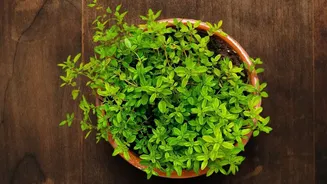
Often seen garnishing plates in high-end restaurants, microgreens are now making their way into homes as a super-accessible superfood. Not to be confused with sprouts, which are germinated seeds eaten whole, microgreens are the next stage of a plant's
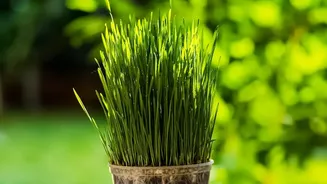
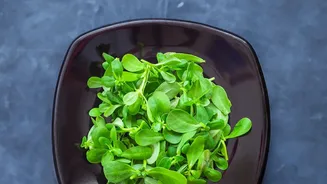
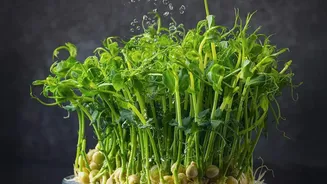
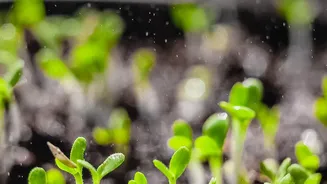
life. They are the young seedlings of edible vegetables and herbs, harvested just 7 to 21 days after planting, once their first set of true leaves has appeared. You eat the stem and leaves, and they come in a surprising variety of flavours, from the peppery spice of radish to the mild sweetness of pea shoots.
A True Nutritional Powerhouse
Don't let their tiny size fool you; microgreens pack a serious nutritional punch. Research has shown that they can contain anywhere from four to 40 times more vitamins and minerals than their mature counterparts. A study from the University of Maryland highlighted their concentrated levels of vital nutrients like Vitamin C, Vitamin E, and Vitamin K. They are also rich in antioxidants, which are compounds that help protect your body from cellular damage. Adding a handful of broccoli, kale, or red cabbage microgreens to your diet can be an easy and effective way to boost your intake of minerals like potassium and iron.
The Perfect Crop for Apartment Living
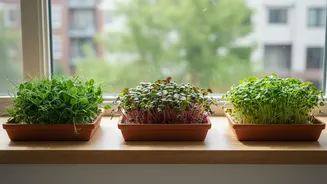
For apartment dwellers, space is a premium, and this is where microgreens truly shine. Their entire life cycle plays out in a small, shallow tray that can fit comfortably on a sunny windowsill or kitchen counter. Unlike traditional gardening that requires months of patience, microgreens offer near-instant gratification, with most varieties ready to harvest in under two weeks. Furthermore, when you grow them indoors yourself, you have complete control over the environment. This means you can ensure they are grown without any pesticides or herbicides, resulting in the cleanest, freshest greens possible.
Your Simple Starter Toolkit
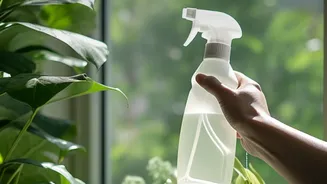
Getting started is surprisingly simple and requires minimal equipment. You'll need a set of compact growing trays—typically a shallow tray with drainage holes that nests inside a solid tray without holes. Specialised 5x5 inch trays are perfect for windowsills and allow you to try multiple varieties at once. You’ll also need a growing medium (coconut coir or sterile potting soil are popular choices), high-quality seeds, a spray bottle for misting, and a source of light. A south-facing window with several hours of direct sunlight is ideal, but a simple LED grow light can work wonders, especially during darker months.
From Seed to Salad in 5 Steps
Growing microgreens is a straightforward process. First, moisten your growing medium in the tray with holes. Second, sprinkle your seeds evenly and densely across the surface. Third, gently mist the seeds with water and cover with the second tray to create a dark, humid environment for germination. Check on them daily, misting as needed. Fourth, once the seeds have sprouted (usually in 2-4 days), remove the top tray and place them in the light. Now, you’ll water them from the bottom by adding water to the solid base tray. Fifth, after 7-14 days, when the greens are 1-3 inches tall with their first true leaves, they're ready for harvest. Use a sharp pair of scissors to snip them just above the soil line.
Easy Varieties for Your First Harvest
For your first foray into micro-gardening, it’s best to start with varieties that are known to be quick and forgiving. Radish microgreens are a fantastic choice; they grow incredibly fast and have a bold, spicy flavour that adds a kick to sandwiches and salads. Broccoli is another beginner-friendly option, known for its mild taste and high nutrient content. Pea shoots are also a reliable and rewarding crop, offering a sweet, fresh pea flavour and a satisfyingly crunchy texture. These varieties will build your confidence and give you a delicious return on your small investment of time and effort.