







The Digital Revival on Reels and Shorts
The most visible driver of this trend is short-form video. Platforms like Instagram Reels and YouTube Shorts have become a fertile ground for the rediscovery of classic Indian music. A 30-second clip set to a song from the 70s or 90s can introduce a whole
new generation to melodies that defined a bygone era. Songs like "Pyaar Deewana Hota Hai" or even ghazals from artists like Mehdi Hassan are finding new life, often used to add a touch of nostalgia or serene charm to modern visuals. This isn't just passive listening; it's active re-contextualization. A younger audience, many of whom weren't even born when these songs were released, are using them to soundtrack their own lives, from wedding videos to aesthetic montages. This digital echo chamber ensures that the legacy of artists like Lata Mangeshkar and Mohammed Rafi doesn't just survive but thrives, one viral clip at a time.
The Rise of Cover Artists and Tribute Bands
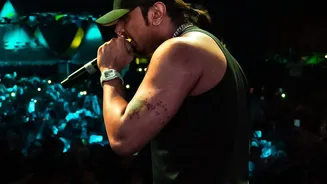
Beyond social media, a vibrant cover culture is breathing new life into timeless classics. Artists and bands like Sanam have built massive followings by giving iconic Bollywood songs a contemporary twist. Their renditions of hits like "O Mere Dil Ke Chain" are not just copies but reinterpretations, respecting the original melody while infusing it with a modern sound that appeals to younger listeners. YouTube has been a crucial launchpad for many of these artists, including names like Shirley Setia and Vidya Vox, who gained prominence by uploading covers of famous Bollywood songs. This phenomenon has translated into the live music scene, where tribute concerts celebrating legends such as R.D. Burman or Kishore Kumar regularly attract large, youthful crowds. These events are a testament to the fact that the emotional depth and melodic richness of these compositions continue to resonate deeply.
Intimate Gatherings and a Return to Roots
The resurgence extends beyond Bollywood to the realms of Indian classical music and ghazals. A growing number of young people are attending intimate concerts known as 'baithaks' or 'mehfils'. These gatherings offer a stark contrast to large, impersonal stadium shows, allowing for a closer connection between the artist and the audience. Curators of these events have noticed a significant increase in attendees under 30, who are drawn to the authenticity and immersive nature of the experience. This trend suggests a deeper cultural shift. For many in Gen Z, this is a way to connect with their heritage and find solace in music that feels more layered and emotionally complex than much of today's algorithm-driven pop. According to Spotify data, there has been a significant increase in classical music consumption among listeners under 25.
Why Now? The Allure of Timeless Melodies
So, what explains this retro renaissance? For one, there's a perceived lack of lyrical and melodic depth in some contemporary music, which often feels manufactured for virality. Classic songs, in contrast, were often deeply integrated into a film's narrative, telling stories and conveying complex emotions. This search for authenticity is a key driver. Furthermore, in an increasingly fast-paced digital world, the unhurried nature of a ghazal or a classic film song offers a sense of calm and connection. It’s a form of shared inheritance; the music that played in their parents' homes now provides a soundtrack to their own lives, creating a powerful intergenerational link. This isn't just nostalgia for a time they've lived, but an appreciation for the enduring quality of art that transcends generations.