



Understanding Sikkim's Winter Climate
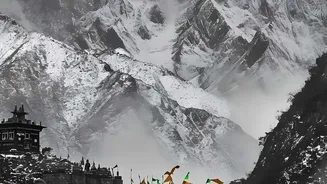
Winter in Sikkim, from December to February, is a tale of two altitudes. Lower-elevation towns like Gangtok, Pelling, and Ravangla are cold but generally accessible, with daytime temperatures hovering between 4°C and 12°C. While snow in Gangtok itself
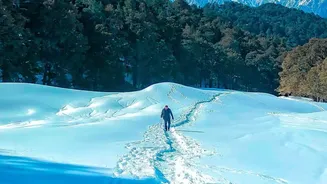
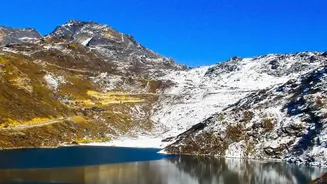
is rare, the air is crisp and clear, often offering stunning views of Kanchenjunga. However, as you ascend, the climate becomes far more extreme. In high-altitude areas like North Sikkim (Lachen and Lachung) and East Sikkim (around Tsomgo Lake), temperatures plummet well below freezing, especially at night. Heavy snowfall is common in these regions, transforming them into a white wonderland but also creating significant travel hurdles. Be prepared for a stark difference in weather within a single day's drive.
Navigating Transport and Road Conditions
Sikkim's mountainous terrain means that roads are its lifeline, and in winter, they can be unpredictable. The main highway, NH-10, connecting Sikkim to the rest of India, can occasionally face disruptions. The real challenge, however, lies in the high-altitude routes. Roads to North Sikkim and destinations like Nathula Pass are frequently affected by heavy snow and ice. This can lead to temporary but sometimes prolonged closures, with authorities halting traffic for safety and snow-clearing operations. Travel is often restricted to specific hours during the day when conditions are safest. Relying on experienced local drivers and vehicles equipped for winter conditions, such as with tyre chains, is essential. Self-driving is not permitted in these protected areas. Building buffer days into your itinerary is crucial to accommodate potential delays.
Destination Access and Essential Permits
Many of Sikkim's star attractions are located in protected border areas, requiring a Protected Area Permit (PAP) for all visitors, including Indian citizens. These permits are required for Tsomgo Lake, Baba Mandir, Nathula Pass, and all of North Sikkim, including Lachen, Lachung, Yumthang Valley, and Gurudongmar Lake. During winter, the issuance of these permits is entirely dependent on weather and road conditions. It is common for authorities to stop issuing permits for Nathula Pass and North Sikkim destinations due to heavy snowfall. Nathula Pass is often closed for weeks at a time. Access to Zero Point and Gurudongmar Lake is even more uncertain and frequently cut off. It's vital to know that permits are typically arranged by government-registered local travel agencies a day in advance and cannot be guaranteed. Foreign nationals have additional restrictions; for instance, they are not permitted to visit Nathula Pass at all.
Smart Booking and Flexible Planning
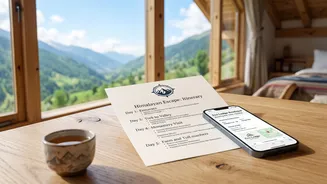
Given the unpredictability, flexibility is the most important part of your plan. When booking your trip, avoid rigid itineraries and non-refundable payments, especially for tours to high-altitude areas. Communicate directly with Sikkim-based travel agents who have on-the-ground knowledge of the daily situation. They can provide realistic advice and help create backup plans. For instance, if North Sikkim becomes inaccessible, you could explore the beautiful and accessible towns of West and South Sikkim, like Pelling, Yuksom, or Ravangla. Check hotel cancellation policies and consider properties in lower altitudes as your base. Having a 'Plan B' ensures that even if the weather closes one door, your entire holiday is not compromised.
Essential Packing and Safety Tips
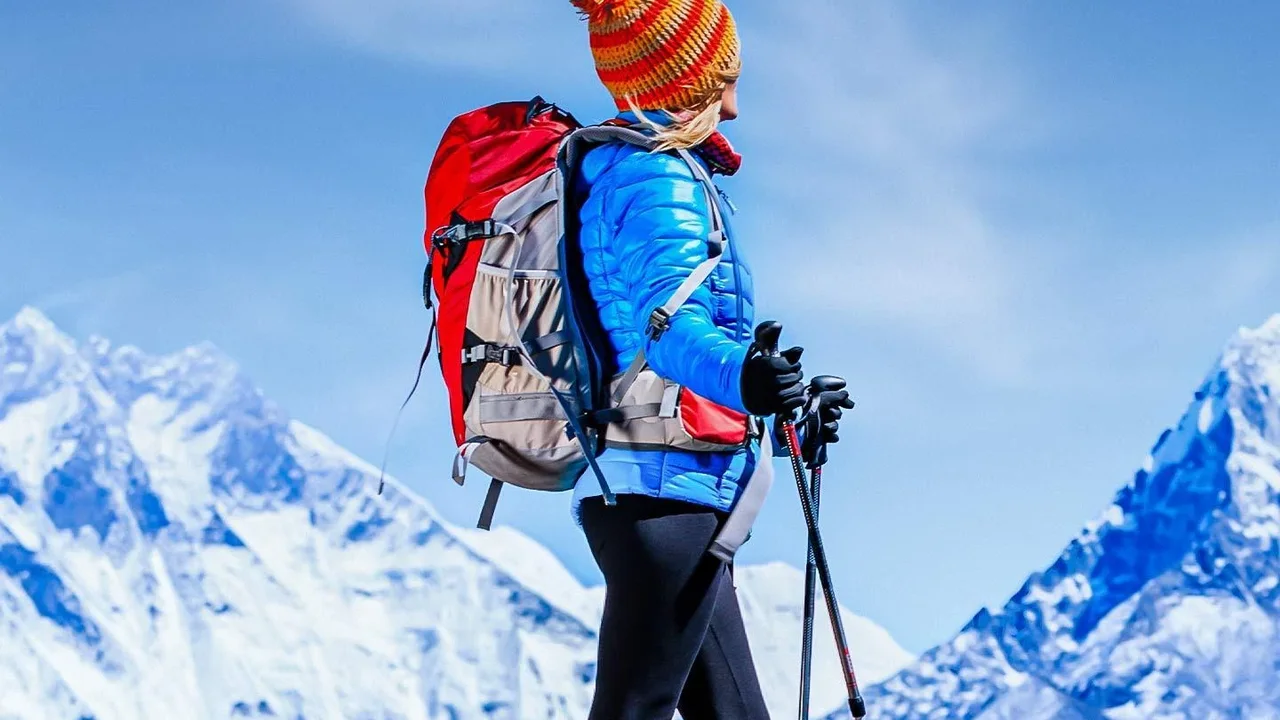
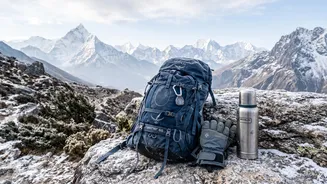
Packing correctly is critical for a safe and comfortable trip. Layering is the most effective strategy. Start with thermal innerwear, add fleece or wool sweaters, and top it with a waterproof and windproof insulated jacket. Proper winter boots with a strong grip are non-negotiable for walking on icy or snowy paths. Also pack warm accessories like woollen socks, gloves, a scarf, and a beanie or warm hat. The cold, dry air can be harsh, so bring moisturizer and lip balm. A thermos to carry warm water can be a great comfort during long drives. Finally, carry a basic first-aid kit with any personal medications, as high altitudes can present unique health challenges and access to pharmacies can be limited in remote areas.