


An Unexpectedly Perfect Union
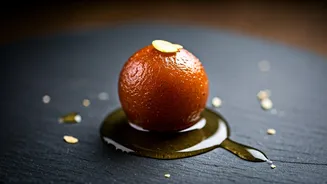
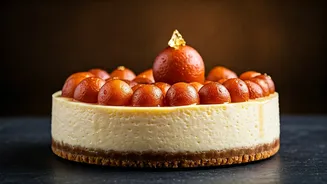
At first glance, the two components seem worlds apart. One is a pillar of Western patisserie, known for its dense, smooth texture and rich, cheesy flavour, typically resting on a crumbly biscuit base. The other is a beloved Indian mithai, a deep-fried
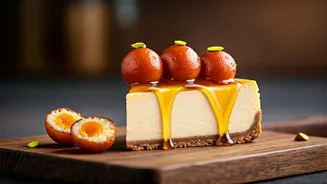
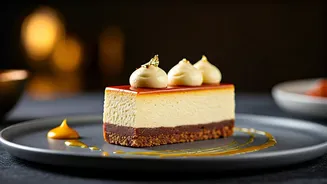
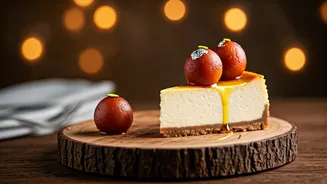
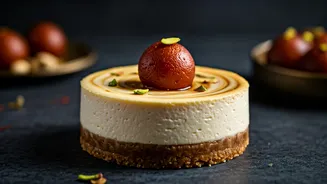
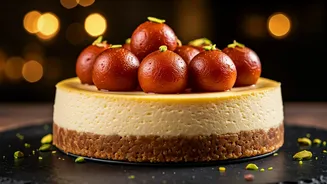
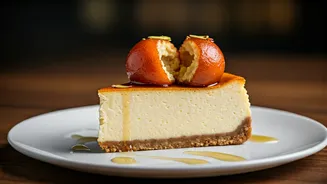
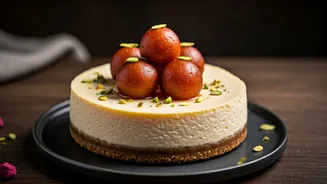
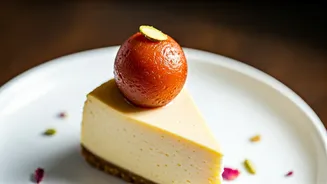
milk-solid ball soaked in a fragrant, sugary syrup. Combining them sounds like it could be a recipe for a cloyingly sweet disaster. Yet, the Gulab Jamun Cheesecake works, and it works beautifully. The magic lies in the balance. The slight tang and cool creaminess of the cheesecake provide the perfect counterpoint to the intense, one-note sweetness of the gulab jamun. Each bite offers a delightful contrast: the soft, spongy texture of the jamun giving way to the velvety smoothness of the cake.
The Science of Deliciousness
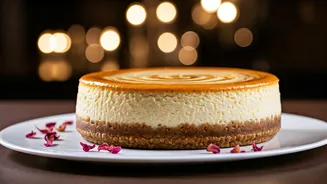
The success of this dessert isn't just a happy accident; it's a masterclass in flavour pairing. The cheesecake base, often made with cream cheese or hung curd, has a natural acidity that cuts through the richness of the gulab jamun's sugar syrup. This prevents the dessert from becoming overwhelmingly sweet. Furthermore, the textures complement each other perfectly. A classic cheesecake provides a firm, substantial bite, while the gulab jamun, nestled within, offers a soft, syrupy burst. Many bakers infuse the cheesecake batter with classic Indian flavours like cardamom, saffron, or rosewater, which bridge the gap between the two dessert traditions and create a cohesive, aromatic experience. The base, typically made from crushed digestive or Parle-G biscuits, adds a much-needed crunchy element to round out the textural journey.
From Home Kitchens to Viral Fame
Unlike many culinary trends that start in the kitchens of five-star restaurants, the Gulab Jamun Cheesecake has a more grassroots origin story. It bubbled up from the vibrant world of Indian home bakers and small-scale patisseries. Fueled by social media platforms like Instagram, where its visual appeal is undeniable, the dessert quickly became a viral sensation. The lockdown-induced baking boom further accelerated its popularity, as home cooks sought new and exciting projects. It was a dessert that felt both comforting and novel—a creative twist on familiar flavours. Soon, it began appearing on the menus of trendy cafes and upscale restaurants across the country, solidifying its place in India’s modern culinary landscape.
A Symbol of Modern Indian Cuisine
The Gulab Jamun Cheesecake is more than just a tasty dessert; it's a symbol of a new, confident era in Indian food. For decades, Indian fusion cuisine was often about adapting Indian flavours to Western formats in a way that sometimes felt apologetic. This dessert, however, feels different. It isn’t trying to hide its Indianness. Instead, it places a quintessential Indian sweet at the heart of a globally beloved dessert, celebrating both traditions without diminishing either. It represents a playful and inventive approach, where tradition is not a rigid set of rules but a versatile palette of flavours and textures to be re-imagined. This dessert speaks to a generation of Indians who are globally aware but deeply connected to their cultural roots.