








The First Commandment: Go Airtight
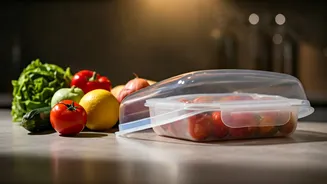
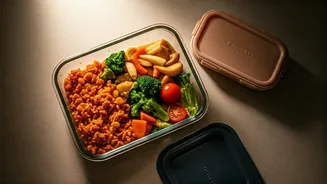
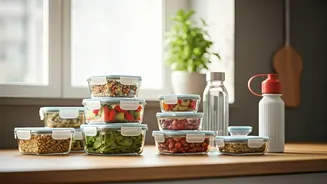
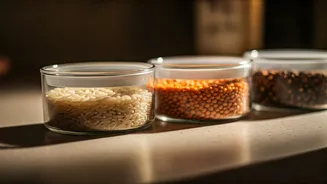
Moisture is the primary enemy during the rainy season, accelerating spoilage and encouraging mould. The single most effective habit is to transfer dry goods from their original packaging into airtight containers immediately. Invest in quality glass jars
or BPA-free plastic containers with secure locking lids. This applies to everything: salt, sugar, spices, flours, pulses, and even biscuits and snacks. Glass is particularly effective as it doesn't absorb odours and provides a superior barrier against moisture. This simple, disciplined step is the foundation of a monsoon-proof pantry.
Mastering Your Masalas and Flours
Spices tend to lose their flavour and clump together due to humidity, while flours and grains become susceptible to weevils and mould. A disciplined approach involves some prep work. Lightly roasting spices before storing them can drive off excess moisture and extend their shelf life. For flours like atta and grains like rice, adding a few dried bay leaves or neem leaves to the container can act as a natural pest repellent. For sugar and salt, which absorb moisture rapidly, storing them in airtight glass jars is best. Some even add a few grains of raw rice to the jar to absorb any intrusive dampness.
The Fresh Produce Strategy
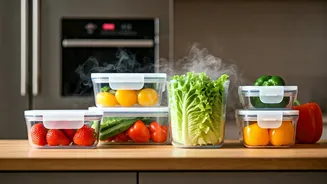
Vegetables and fruits require a different kind of discipline. Never store them in the refrigerator while they are still wet from washing. After washing, pat them dry thoroughly with a paper towel or cloth. Leafy greens like spinach and coriander benefit from being wrapped in paper towels before refrigeration; this absorbs excess moisture and keeps them crisp. Avoid buying produce in bulk during the monsoon, as it spoils faster. A more disciplined shopping routine of buying smaller quantities more frequently ensures you're always using the freshest ingredients.
Maintaining a Fortress-Like Kitchen
Discipline extends beyond storage to overall kitchen hygiene. The damp environment is a breeding ground for bacteria and pests. Regularly clean and disinfect your refrigerator, pantry shelves, and countertops. A solution of vinegar and water works well for cleaning surfaces. Pay close attention to your kitchen sink and drains, cleaning them weekly to prevent clogs and odours that attract insects. Always use a clean, dry spoon when scooping ingredients from jars, as a wet spoon can introduce moisture and ruin an entire batch of spices or flour.
Smart Habits for a Dry Pantry
To win the war against dampness, think like a strategist. Avoid opening spice jars directly over a steaming pot, as the steam can enter and cause clumping. Store your main containers in a cool, dark place away from the stove and sink, which are sources of heat and humidity. For daily use, you can keep smaller quantities in separate containers. It's also wise to place natural moisture absorbers like camphor balls or food-safe silica gel packets in your cabinets to combat the ambient humidity.