




For busy working couples, the 7 PM 'what's for dinner?' debate is a familiar source of stress. This simple, twice-weekly batch cooking routine offers a practical escape from decision fatigue and last-minute takeout orders.
The Twice-Weekly Advantage
A massive Sunday meal prep session
can feel daunting and often leads to repetitive, uninspired meals by Thursday. The twice-weekly approach splits the work into two manageable sessions, ensuring your food is fresher and more varied. A 90-minute session on the weekend sets you up for the first half of the week, while a shorter 45-minute refresh mid-week keeps things interesting for the second half. This method prevents burnout and reduces the risk of your carefully prepped meals languishing in the back of the fridge. It’s a sustainable system built for real life, not a social media fantasy.
Step 1: The Joint Planning Session
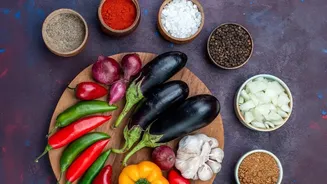
Success starts with a plan. Set aside 30 minutes together over the weekend to map out your meals for the week. Discuss your schedules—which nights will you be home late? When do you need a quick grab-and-go lunch? As a couple, decide on a few core meals you both enjoy. This isn't about creating seven different elaborate dinners. Think in components: a couple of proteins, a versatile grain, and several vegetables that can be mixed and matched. From this plan, build one consolidated grocery list. This teamwork not only splits the mental load but also ensures you buy only what you need, reducing food waste and saving money.
Step 2: The Sunday Cook (Session One)
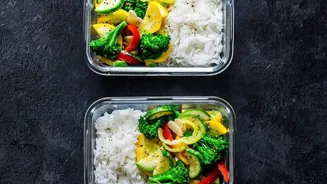
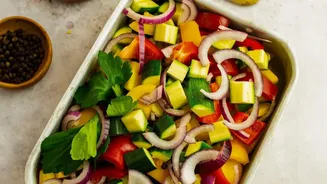
Your first cooking session should focus on the foundational items that take the longest to cook. Start by getting a large batch of a versatile grain, like quinoa or brown rice, on the stove. While that simmers, tackle your proteins and vegetables. A sheet pan is your best friend here; you can roast a batch of chicken thighs on one side and a colourful mix of broccoli, bell peppers, and onions on the other. This 'buffet-style' prep, where ingredients are cooked separately, is key for couples. It allows each person to assemble their own meals based on their preferences and portion needs. Let everything cool completely before storing.
Step 3: The Mid_Week Refresh (Session Two)
Wednesday evening is a great time for your second, shorter cooking session. This is your chance to introduce fresh elements and prevent meal fatigue. This 30 to 45_minute refresh could involve quickly pan_searing fish, boiling some eggs for snacks, or whipping up a new sauce or dressing to bring your existing components back to life. You can also use this time to chop fresh vegetables like cucumbers and tomatoes for salads or wraps that wouldn't have held up from Sunday. This second cook ensures the meals you eat on Friday are just as appealing as the ones you had on Monday.
Smart Storage and Assembly
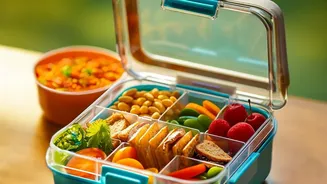
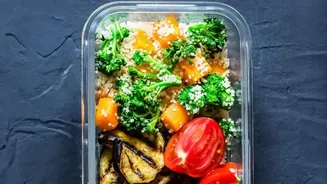
Proper storage is non_negotiable for food safety and quality. Invest in clear, airtight containers, preferably glass, as they don’t absorb odours and can go from the fridge to the microwave. Label every container with the contents and the date it was prepared. A good rule is to refrigerate what you'll eat in the next 3–4 days and freeze the rest. When it's time to eat, the 'build–a–bowl' method makes assembly fast and fun. Start with your pre–cooked grain, add a protein, pile on the roasted veggies, and finish with a fresh sauce or topping. This modular approach means a single prep session can yield burrito bowls one night and a stir–fry the next.