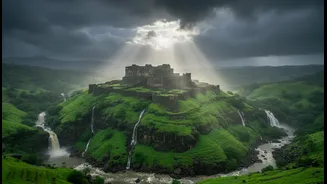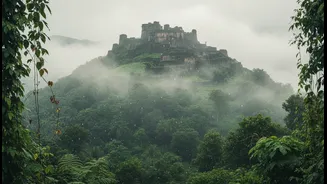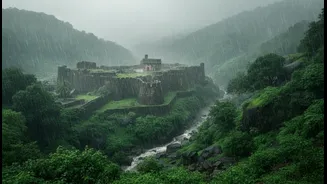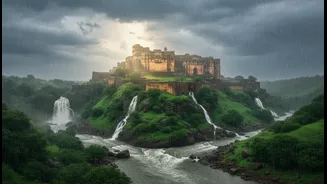




Lohagad Fort, Maharashtra
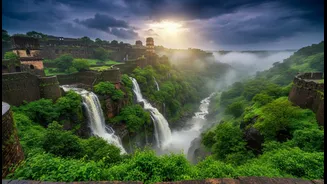
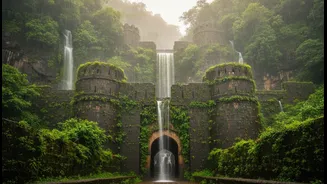
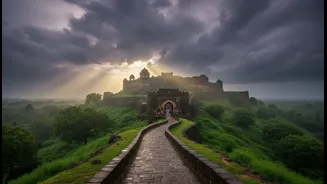
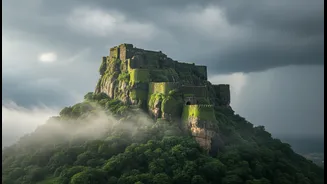
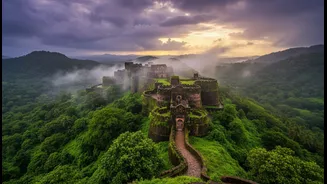
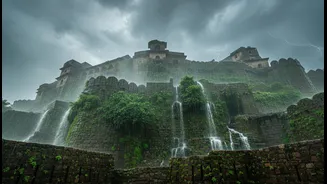
A favourite among trekkers from Mumbai and Pune, Lohagad Fort becomes a green paradise during the monsoon. Known as the 'Iron Fort', this beginner-friendly trek takes you through mist-covered trails, past gushing waterfalls, and up well-laid stone steps.
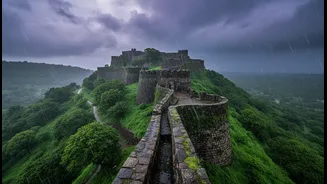
The climb is relatively easy, taking about 45-60 minutes from the base village of Lohagadwadi. At the top, you're rewarded with spectacular views of the Pawna Lake and the surrounding Sahyadri mountains. The fort’s most iconic feature, the 'Vinchu Kata' or scorpion's tail, is a long, fortified ridge that offers a thrilling walk with panoramic vistas. Local stalls along the way serving hot snacks make the experience even more delightful. Remember to wear sturdy shoes with good grip, as the stone paths can get slippery.
Kolaba Fort, Maharashtra
Standing as a sentinel in the Arabian Sea near Alibaug, Kolaba Fort is a unique sea fortification that offers a different kind of monsoon adventure. This 300-year-old fort, once a key naval base for Shivaji Maharaj, is accessible by foot from Alibag beach during low tide. During the monsoon, however, high tides often mean you’ll need to hire a boat, which adds to the excitement. Inside, you'll find ancient cannons, freshwater wells despite being surrounded by saltwater, and temples dedicated to Siddhivinayak and Mahishasura. The walk or boat ride to the fort, with waves crashing around, is an experience in itself. While some advise against visiting during peak monsoon due to rough seas, the shoulder months of the season offer a dramatic and less crowded visit. Always check the tide timings before you plan your trip.
Mandu, Madhya Pradesh
Mandu isn't just a fort; it's an entire fortified city that becomes hauntingly beautiful in the rains. The monsoon brings this city of ruins to life, with verdant landscapes, full lakes, and a romantic atmosphere. The legends of Sultan Baz Bahadur and Rani Roopmati feel almost palpable as you explore their respective pavilions, which offer stunning views of the Narmada valley below. The famous Jahaz Mahal, or Ship Palace, appears as if it's floating between two artificial lakes. While winters are traditionally considered the best time to visit, the monsoon provides a unique, off-season experience with fewer crowds and lush, rain-washed monuments that photographers and nature lovers will adore. The temperature is pleasant, making it comfortable for sightseeing.
Gingee Fort, Tamil Nadu
Known as the "Troy of the East" for its impregnable defences, Gingee Fort in Tamil Nadu is a massive complex spread across three hillocks: Rajagiri, Krishnagiri, and Chandrayandurg. While the climb can be steep, the monsoon season makes the effort worthwhile, as the surrounding countryside turns a vibrant green, creating a picturesque setting. The fort complex includes impressive structures like the seven-storey Kalyana Mahal, granaries, temples, and watchtowers. The trek to the top of Rajagiri, the main hill, is an adventure that rewards you with panoramic views and a deep sense of history. Having been ruled by the Marathas, Mughals, and French, the fort's architecture is a fascinating blend of styles. It's a fantastic destination for those who love history, trekking, and photography.
Kumbhalgarh Fort, Rajasthan
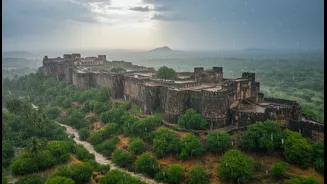
While Rajasthan is known for its arid landscapes, the monsoon transforms the Aravalli hills around Kumbhalgarh Fort into an emerald oasis. This UNESCO World Heritage Site, famous for its 36-kilometre-long wall, feels like a lost kingdom when clouds swirl around its ramparts. The drive to the fort itself becomes a scenic journey, with rain-washed hills and hidden waterfalls. Exploring the massive fort is more pleasant in the cooler monsoon weather, and you'll find fewer crowds than in the peak winter season. The Badal Mahal, or 'Palace of Clouds', truly lives up to its name as mist envelops its terraces, offering breathtaking views. Visiting Kumbhalgarh in the monsoon reveals a quieter, greener side of Rajasthan that many travellers miss.