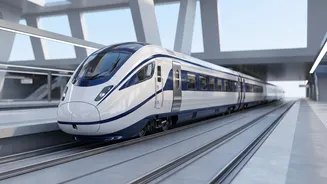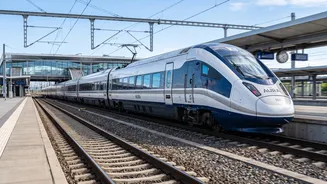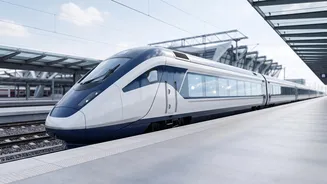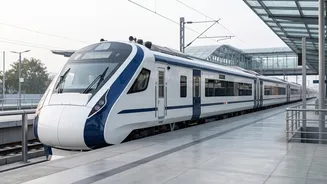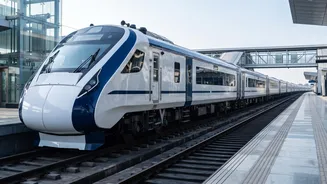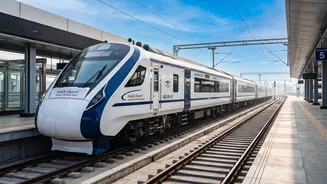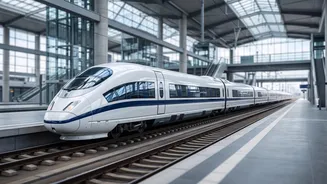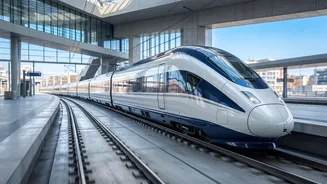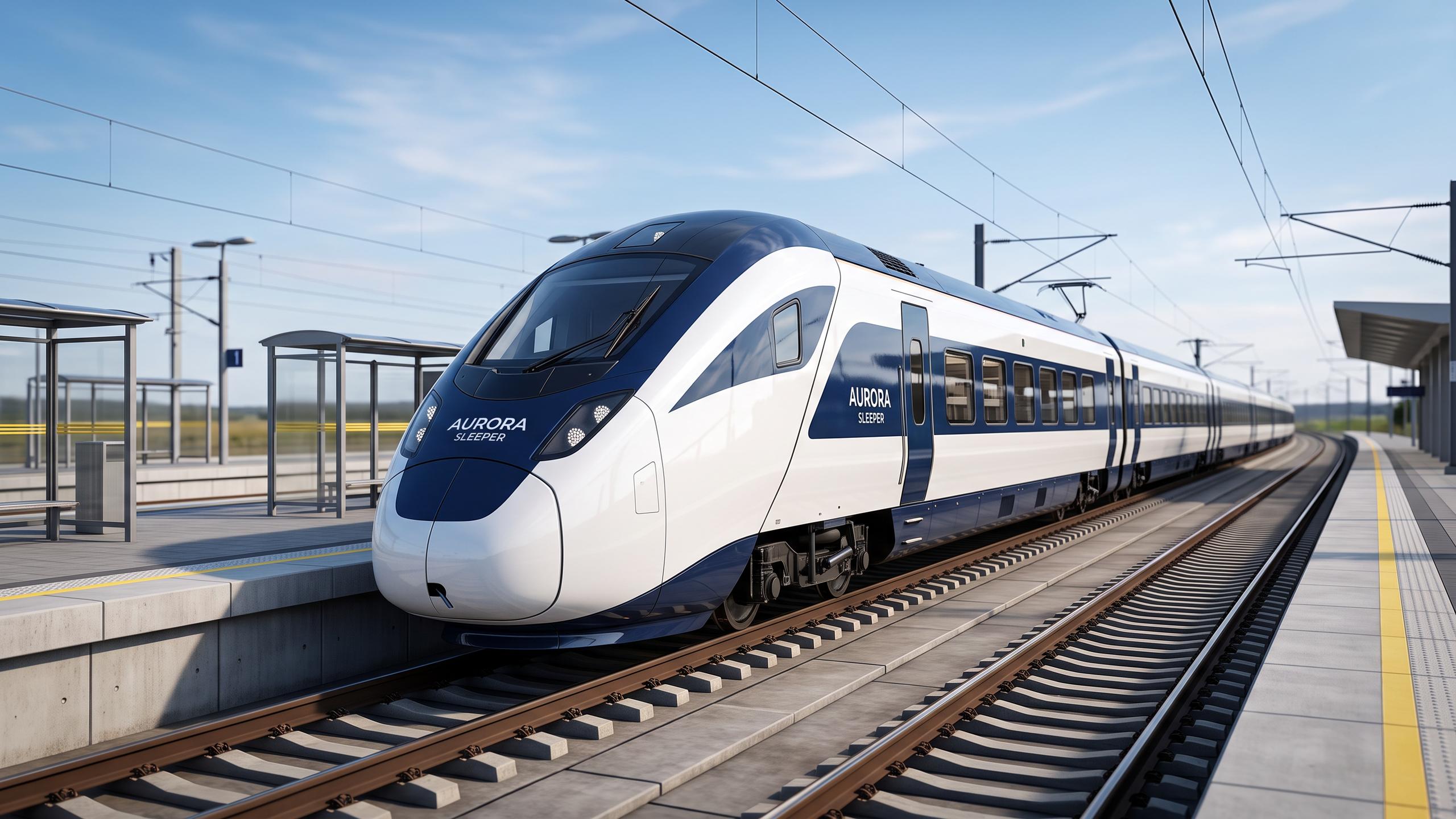






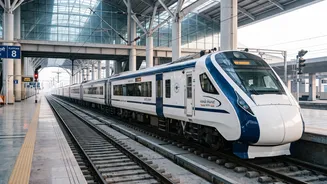
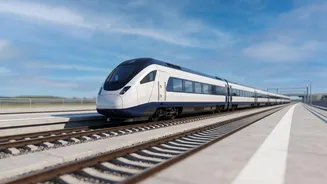
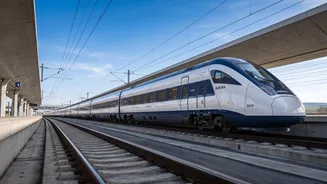
After revolutionising daytime travel with the Vande Bharat Express, Indian Railways is now setting its sights on conquering the night. A new sleeper version is poised to redefine overnight journeys with enhanced speed, comfort, and capacity.
A New Era for Overnight Journeys
Indian Railways
is strategically expanding its popular Vande Bharat platform from short-distance chair cars to long-haul sleeper trains. The aim is to provide a modern, high-speed alternative to existing overnight services like the Rajdhani Express, catering to journeys between 800 and 1,200 km. The first prototype, manufactured by BEML, was unveiled in late 2024, with the inaugural service launching in January 2026. This move signals a significant step towards modernising long-distance travel, promising to reduce journey times and elevate passenger experience on key routes across the country.
What Makes the Vande Bharat Sleeper Different?
Unlike traditional locomotive-hauled trains, the Vande Bharat Sleeper is a self-propelled trainset with an aerodynamic design and distributed power systems. This allows for faster acceleration and deceleration, contributing to shorter journey times. The train is designed to operate at a maximum speed of 160 km/h. The standard configuration consists of 16 fully air-conditioned coaches, with driver cabins at both ends, which eliminates the need for engine reversal at terminal stations and further saves time. The construction uses austenitic stainless steel for durability and improved crash-proof elements for enhanced safety.
Inside the Higher-Capacity Coaches
A standard Vande Bharat Sleeper train accommodates up to 823 passengers across three classes: one AC First Class coach (24 berths), four AC 2nd Tier coaches (188 berths), and eleven AC 3rd Tier coaches (611 berths). The design focuses on optimising space and comfort. Berths are designed to be wider and better cushioned than those in existing trains. Thoughtful design elements include improved ladders for accessing upper berths, sensor-based lighting in aisles, and individual reading lights with USB charging ports for every passenger. Special berths and toilets have also been provided for differently-abled passengers.
Upgraded Amenities and Safety Features
Passenger experience is at the forefront of the new design. First AC passengers will have access to a hot shower facility. The train features modern, sensor-based bio-vacuum toilets designed to be odourless. For safety, it is equipped with the indigenous Kavach automatic train protection system, advanced firendard materials meeting international standards, and CCTV cameras. A public announcement and visual information system keeps passengers informed throughout the journey. Some newer plans also suggest the possibility of future rakes being expanded to 24 coaches to include a dedicated pantry car for hot meals, further increasing capacity.
Routes and The Road Ahead
The Vande Bharat Sleeper has already started operations on key routes. The inaugural service launched between Howrah and Kamakhya in January 2026. As of late October 2026, Indian Railways is set to launch two more crucial overnight services: one connecting New Delhi and Varanasi, and another linking Mumbai and Bengaluru. The Mumbai–Bengaluru route, for instance, is expected to cut travel time from nearly 24 hours to around 16 hours. With dozens more sleeper trainsets in production, these new trains are poised to become a significant part of India's long distance rail network in the coming years.