




Understanding Solar Storms
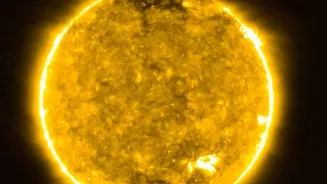
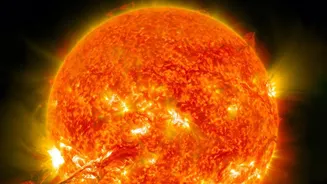
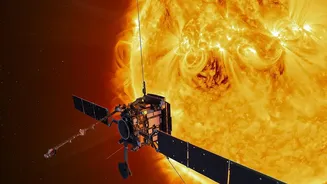
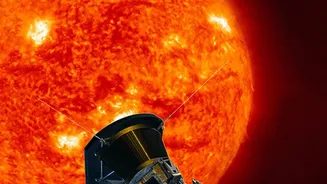
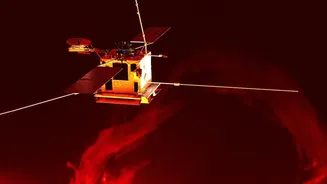
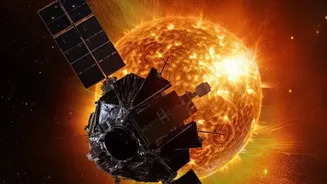
Our star is a dynamic, boiling ball of plasma, constantly sending out a stream of charged particles known as the solar wind. Sometimes, this activity intensifies dramatically, resulting in solar flares—immense bursts of radiation—or coronal mass ejections
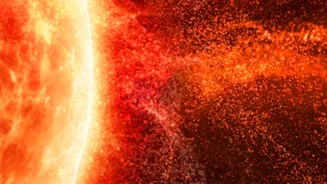
(CMEs), which are colossal clouds of solar plasma and magnetic fields hurled into space. When Earth is in the path of these events, we experience a solar storm. While our planet's atmosphere and magnetic field protect life on the surface, the technology orbiting above us is far more exposed to these energetic outbursts.
Satellites in the Firing Line
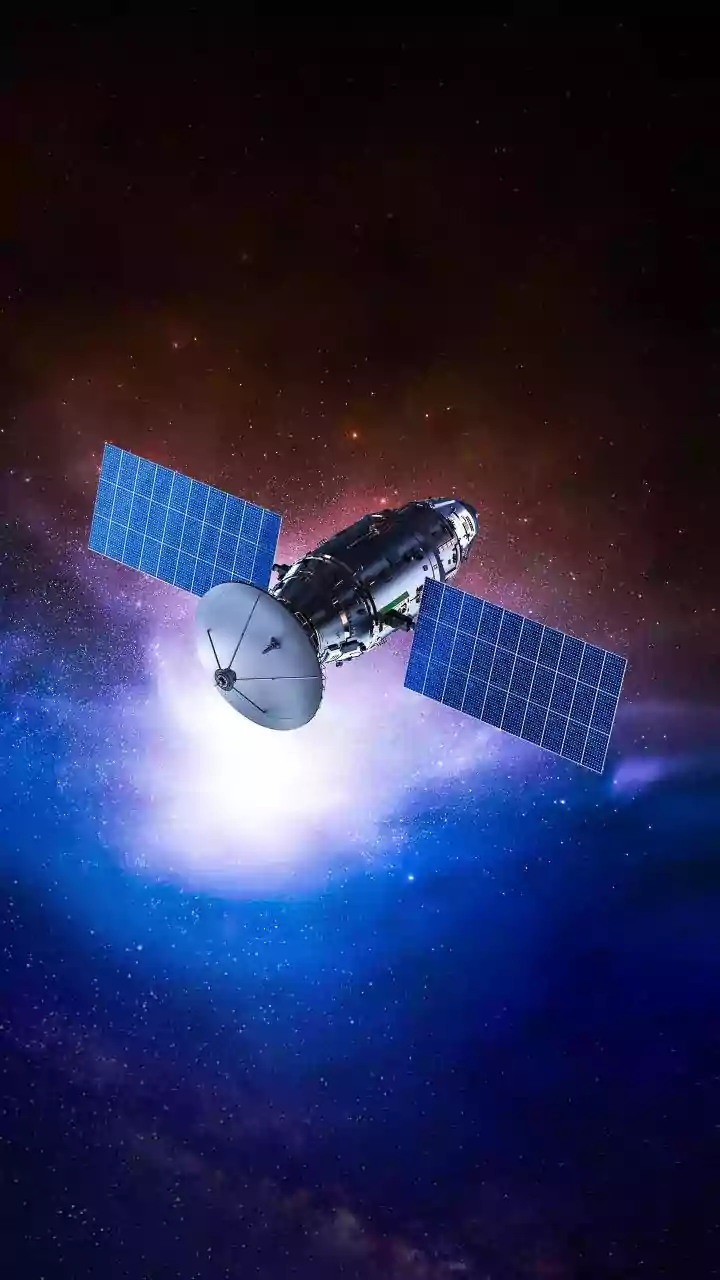
Modern life runs on satellites. They facilitate global communication, financial transactions, navigation systems like GPS, and weather forecasting. A severe solar storm poses several threats to these critical assets. Energetic particles can damage sensitive electronics and solar panels, a phenomenon known as radiation damage. The storm can also heat and expand Earth's upper atmosphere, increasing the drag on satellites in low-Earth orbit. This friction slows them down, causing their orbits to decay faster and potentially leading to collisions. Furthermore, solar storms disrupt the very signals satellites transmit, causing errors in GPS positioning and even radio blackouts that affect aviation and maritime communication.
Earth's Magnetic Field as a First Alert
When a CME slams into Earth's magnetosphere—the protective magnetic bubble surrounding our planet—it triggers a geomagnetic storm. This interaction causes rapid and significant fluctuations in our planet's magnetic field. These changes are invisible to the naked eye but represent the frontline of space weather's impact. It is precisely these magnetic field variations that ground-based observatories are equipped to detect. By monitoring the magnetosphere's response, scientists can gauge the intensity and potential impact of an incoming solar storm.
The Magnetometer’s Vital Role
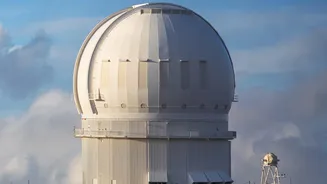
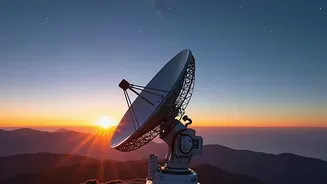
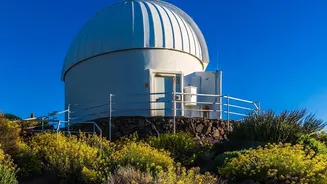
At its core, a magnetometer is a highly sensitive instrument that measures the strength and direction of magnetic fields. Ground-based observatories, from networks in Antarctica to global systems like the Global Oscillation Network Group (GONG), operate networks of these devices. When a geomagnetic storm begins, these magnetometers detect the deviation from Earth's normal magnetic field. Think of them as the planet's nervous system, sensing the disturbance as soon as it arrives and providing a crucial, real-time indicator of space weather activity.
An Early Warning System in Action
The data from these ground magnetometers forms the backbone of an essential early warning system. When observatories detect a significant magnetic disturbance, they issue alerts to satellite operators. This warning gives operators precious time—from minutes to hours—to take protective measures. They can power down non-essential systems to prevent electrical damage, reorient satellites to present a smaller profile against increased atmospheric drag, or switch to backup systems. In essence, by watching for ripples in Earth's magnetic field from the ground, we can effectively brace our orbital infrastructure for the solar storm's impact, safeguarding the networks that power our interconnected world.