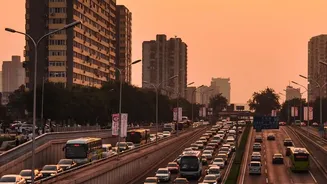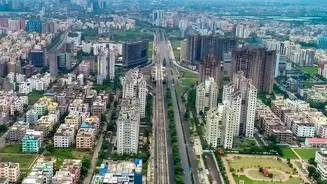








For decades, the mantra in Indian real estate was 'location'. Today, that word has a new meaning: proximity to a metro station. This single factor is reshaping how people buy and rent homes, turning commute time into a valuable currency.
The New Golden Rule: Walkable to the Metro
In India’s congested
and rapidly expanding cities, the metro is more than just transport; it’s a lifeline. For homebuyers and renters, an apartment within walking distance of a metro station has become a top priority. This isn't just about convenience; it's a strategic decision to reclaim time lost in traffic. Research and market data consistently show that properties within a 500-metre to one-kilometre radius of a metro station command the highest premiums. Studies in cities like Gurugram have shown price growth of 20-30% for properties within this 'golden zone' after a metro line becomes operational. This demand is driven by a simple calculation: a predictable, shorter commute is a powerful lifestyle upgrade, and people are willing to pay for it.
The Ripple Effect on Property Prices
The impact of a new metro line on property values is not a simple, one-time event. It happens in phases. The first surge often occurs the moment a new corridor is announced, with speculative investors driving prices up by 5-15% in anticipation of future growth. During the construction phase, values can continue to climb, even with the disruption, as developers begin launching 'metro-centric' projects. The most significant and sustained appreciation, however, kicks in once the line becomes operational. Across major cities like Delhi, Bengaluru, and Hyderabad, properties near established metro lines have seen significant price jumps, in some cases appreciating 10-25% more than similar properties in non-connected areas. For renters, this translates into higher monthly payments, with tenants often willing to pay a 15-25% rental premium for a well-connected home.
Size vs. Connectivity: The Great Trade-Off
The high demand for metro-adjacent housing has created a new kind of compromise for urban residents. Many are now choosing smaller apartments in exchange for superior connectivity. For young professionals and students, a compact flat that eliminates the daily stress of road transport is often a better deal than a larger home in a less accessible location. This trend is reshaping developer strategies, with a rise in compact housing formats clustered around transport hubs. However, this isn't a universal rule. Post-pandemic, there's also a parallel demand for larger homes with space for remote work, creating a divided market. Families, in particular, face a tough choice: sacrificing space for a shorter commute or moving further out to afford a bigger home.
Beyond the Commute: A Lifestyle Upgrade
The appeal of living near a metro station goes beyond just getting to the office. These transit hubs are evolving into mixed-use developments, with shopping centers, restaurants, and essential services clustering around them. This creates self-sufficient neighbourhoods where residents can live, work, and socialise without relying on private vehicles. For many, especially women and families, the safety and reliability of the metro system are also major draws. This holistic improvement in quality of life is a powerful driver of real estate demand, making these locations attractive not just to end users but also to long term investors seeking stable rental income and lower vacancy rates.
The Other Side of the Tracks
While the benefits are clear, the metro effect isn't without its downsides. The rapid rise in property values can lead to gentrification, pushing out lower income residents and small businesses that can no longer afford the increased rents and property taxes. There's also the risk of over commercialisation and congestion right around the stations themselves, which can sometimes detract from the residential quality of life. Furthermore, the promise of connectivity is only fully realised if last mile options—like safe pedestrian pathways and reliable feeder buses—are in place. A station that is technically close but difficult to walk to provides a much weaker benefit.