






Why Humidity Is a Workout Game-Changer
When you exercise, your body sweats to cool down. The magic isn't in the sweating itself, but in the evaporation of that sweat from your skin. However, when the air is already saturated with moisture during the monsoon, your sweat has nowhere to go. This
evaporation process slows down dramatically, making it much harder for your body to regulate its core temperature. As a result, your body has to work overtime. Your heart pumps harder to send more blood to the skin to try and cool off, which puts extra strain on your cardiovascular system and leaves less blood for your working muscles. This is why a familiar workout can suddenly feel exhausting, and why you might get tired much faster.
Listen to Your Body, Not Your Ego
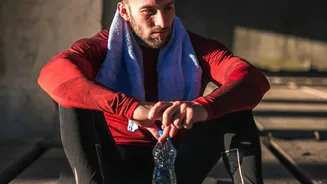
Pushing through your usual pace on a highly humid day isn't a sign of strength; it's a risk. Your body is already under more stress than usual, increasing the danger of heat-related issues like heat exhaustion. The key is to shift your focus from metrics like speed and distance to your Rate of Perceived Exertion (RPE)—basically, how hard the workout feels. Summer is not always the best time to chase personal records. Be aware of the warning signs of overexertion, which include dizziness, nausea, unusual fatigue, headache, or muscle cramps. If you experience any of these, it's a clear signal to stop, find a cool place, and hydrate immediately.
Adjust Your Pace and Intensity
Slowing down is a non-negotiable adjustment for humid workouts. Think about reducing your intensity and shortening the duration of your exercise until your body gets more used to the conditions. If you normally run for 45 minutes, maybe start with 30. Consider changing your routine to include more rest breaks or trying lower-impact activities like swimming or indoor cycling on particularly oppressive days. Timing is also crucial. Schedule your outdoor workouts for the coolest parts of the day, such as the early morning before 9 a.m. or late in the evening. This helps you avoid the worst of the day's heat and humidity, making your session more comfortable and safer.
Prioritise Hydration and Electrolytes
Hydration is more than just drinking water when you feel thirsty. In humid weather, you lose more fluids and essential salts (electrolytes) through sweat. Start hydrating well before your workout begins. During your session, sip water regularly. If you're exercising for more than an hour, a sports drink can be beneficial to help replenish lost electrolytes like sodium and potassium. Post-workout, continue to rehydrate to replace what you've lost. Natural options like coconut water are a good source of potassium. Avoid alcohol and excessive caffeine, as they can contribute to dehydration.
Dress for Success, Not Distress
The right clothing can make a huge difference. Avoid cotton at all costs. Cotton acts like a sponge, absorbing sweat and rain, leaving you with heavy, chafing fabric that traps heat. Instead, opt for lightweight, loose-fitting clothes made from moisture-wicking synthetic fabrics like polyester or nylon. These materials are designed to pull sweat away from your skin so it can evaporate more easily, even in humid air. Light-colored clothing is also a wise choice as it reflects rather than absorbs sunlight.
Give Yourself Extra Recovery Time
Because your body works harder in humid conditions, it needs more time to recover. The added physiological stress means more micro-damage to repair. Don't be surprised if you feel more fatigued after a monsoon workout than you would after the same session in dry weather. Be sure to prioritise good nutrition, adequate sleep, and gentle stretching post-workout. Incorporating more rest days or active recovery days—like a gentle walk or yoga—can also help your body adapt and rebuild without risking injury from overtraining.