




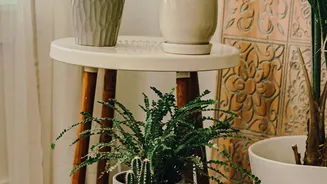

Why Humidity Changes Everything
Plants 'breathe' through a process called transpiration, releasing water vapor from their leaves. This process pulls water up from the roots. However, when the air is already saturated with moisture (high humidity), transpiration slows down significantly.
Think of it like a towel that's already damp—it can't absorb much more water. Similarly, your plants aren't losing as much moisture through their leaves, so they don't need to draw as much from the soil. Watering on a hot, dry day is very different from watering on a warm, humid one, even if the temperature is the same. Sticking to a rigid schedule is one of the biggest mistakes a plant owner can make, especially during the rainy season.
The Finger Test: Your Most Reliable Tool
Forget the calendar and get to know your soil. The most reliable way to know if your plant needs water is the 'finger test'. Insert your finger about one to two inches into the topsoil. If the soil feels dry at that depth, it's time to water. If it feels moist or damp, hold off for a few more days and check again. This simple, physical check prevents overwatering, which is a leading cause of plant demise. For many common houseplants, allowing the top layer of soil to dry out is crucial for preventing issues like root rot and pests like fungus gnats, which thrive in constantly moist conditions.
Is It Thirsty or Drowning? How to Tell
Confusingly, both overwatered and underwatered plants can look wilted or droopy. However, there are key differences. An underwatered plant's leaves will feel dry and crispy, and the soil will be cracked and pull away from the pot's edges. An overwatered plant’s leaves, on the other hand, might be soft and limp. The most common sign of overwatering is yellowing leaves, especially lower ones, and stems that feel mushy near the base. If you suspect overwatering, check the roots. Healthy roots are firm and white, while rotten roots are brown, soft, and may have a foul smell.
Adjust for Your Plant's Personality
Not all plants react to humidity the same way. Tropical plants like Monstera, Philodendrons, and ferns generally enjoy the high humidity but still require good drainage to avoid root rot. Succulents and cacti, however, are extremely sensitive to excess moisture. During humid months, their need for water drops dramatically; they should only be watered when their soil is completely dry. Knowing your plant’s origin and natural habitat can provide valuable clues to its preferences. Porous pots, like those made from terracotta, can also help by allowing soil to breathe and dry out faster, which is particularly beneficial during damp weather.
Beyond Watering: Other Humid Weather Care
Proper plant care in humid weather isn't just about watering. Good air circulation is vital to prevent fungal diseases like powdery mildew, which flourish in stagnant, damp conditions. If your plants are indoors, a small fan can help keep the air moving. Also, make sure your pots have excellent drainage holes and are not sitting in trays filled with stagnant water. This is also a good time to inspect your plants for pests that are more common in wet weather. Finally, since plant growth can slow in lower light conditions typical of cloudy, rainy seasons, it's often best to reduce or skip fertilizing until the sunny weather returns.