

The New Festive Plate
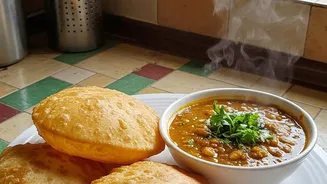
Imagine a Diwali spread where the humble samosa gets a modern makeover with a sweet potato filling, or where classic gulab jamun is reinvented as a creamy, no-bake cheesecake. This isn't a distant culinary fantasy; it's happening right now in kitchens
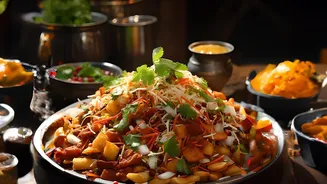
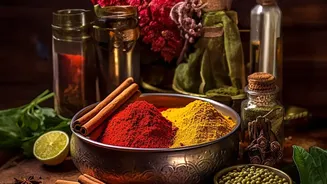
and restaurants across India. The contemporary Indian consumer is increasingly curious about global cuisines, leading to a delightful fusion on the festive plate. Dishes like tandoori tacos, masala quesadillas, and even curry-infused sushi are making appearances on modern Diwali menus, blending the smoky, spicy notes of Indian cooking with popular international formats. This culinary evolution reflects a desire for innovation that still feels familiar, creating dishes that are both exciting and deeply comforting.
A Celebration of Confidence
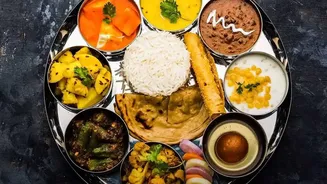
This trend is more than just a novelty; it reflects a growing confidence in Indian culinary identity. For years, fusion often meant simplifying Indian food for international palates. Today, the reverse is happening. Indian chefs are proudly using regional ingredients and traditional recipes as a canvas for global techniques and flavours. This shift is driven by a new generation of diners who have travelled the world, yet retain a deep connection to their roots. They crave the comfort of home-style cooking but are also open to experimenting with new tastes. The result is a culinary landscape where a traditional Goan curry might inspire a breakfast omelette or where local chorizo finds its way into a pizza, balancing tradition with a modern, experimental spirit.
Chefs Leading the Charge
Visionary chefs are at the forefront of this movement, reimagining what Indian food can be. They are championing hyper-local ingredients while employing global techniques like fermentation and smoking to create genre-defying dishes. For instance, chefs are creating innovative plates like Bandel cheese pasta, which substitutes the local smoky cheese for ricotta, or using nixtamalized corn for a modern take on masala papad. At restaurants from Mumbai to Delhi, menus are featuring inventive creations such as truffle kataifi fries, matcha salmon maki, and hay-smoked mushrooms, showcasing a playful yet sophisticated approach to fusion. These culinary leaders are proving that luxury isn't about imported ingredients, but about the thoughtful and creative use of local produce.
The Sweet Revolution
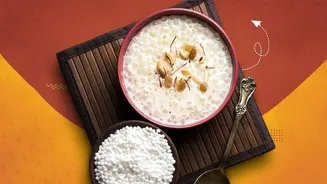
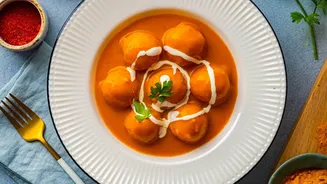
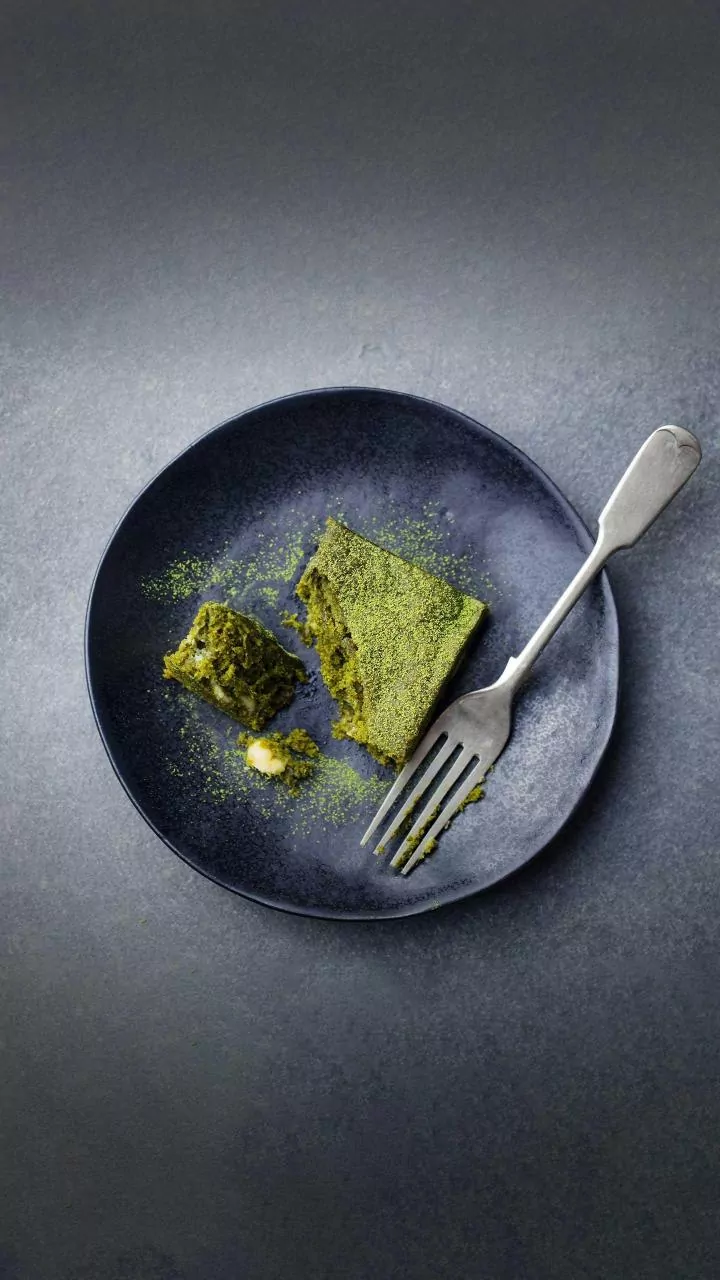
Nowhere is this trend more apparent than in the world of desserts. Traditional Indian sweets, or mithai, are being deconstructed and reimagined in spectacular ways. Festive treats now include saffron macarons with a cardamom ganache, almond halwa croissants, and masala chai-spiced tres leches cake. The beloved gulab jamun is finding new life layered in custard jars or as the star ingredient in a cheesecake. These desserts are not just a feast for the taste buds but also for the eyes, often presented in contemporary formats like dessert jars and bowls that are perfect for celebratory gatherings. It’s a sweet evolution that respects the original flavours while presenting them in a fresh, modern context.