





The Ultimate Recycling Program
The International Space Station (ISS) is essentially a sealed container orbiting Earth, and every resource is precious. Unlike on Earth, where ecosystems naturally replenish air and water, the ISS must do so artificially. This is the job of the Environmental
Control and Life Support System, or ECLSS. It’s a network of machines designed to provide breathable air, potable water, and a stable atmosphere by recycling nearly everything. Think of it as the ultimate recycling program, where the waste products of one system become the vital inputs for another. This intricate dance of technology is what makes long-duration spaceflight possible, turning what would be a hostile outpost into a habitable home.
From Yesterday's Coffee to Tomorrow's
On Earth, an average person might use hundreds of litres of water a day, but an astronaut on the ISS makes do with just a few. This is possible thanks to the Water Recovery System, a key part of the ECLSS. This system captures moisture from every possible source: the humidity from astronauts' breath and sweat, water from washing, and even urine. The collected wastewater is sent to a Water Processor Assembly, which uses a multi-step process of filtration and catalytic oxidation to purify it. In fact, recent upgrades with a Brine Processor Assembly now allow the system to recover up to 98% of all water onboard. The result is drinking water that is often purer than what many people drink on Earth.
Creating Air From Water and Breath
Just as critical as water is a constant supply of breathable air. The ISS maintains its atmosphere through a process called electrolysis. Both the American Oxygen Generation System (OGS) and the Russian Elektron unit use electricity from the station’s solar panels to split water molecules into hydrogen and oxygen. The oxygen is released into the cabin atmosphere, while the hydrogen is vented or, even more cleverly, used elsewhere. But what about the carbon dioxide astronauts exhale? The Air Revitalization System uses special filters to scrub CO2 from the air. That captured CO2 is then fed into the Sabatier system, where it reacts with the hydrogen from the oxygen generator to create more water, which can then be used to create more oxygen, closing the loop.
Beyond the Space Station
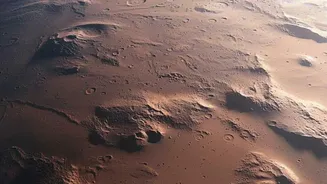
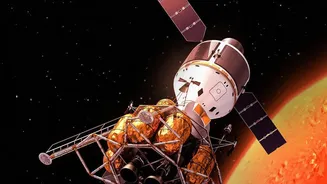
The closed-loop systems tested on the ISS are crucial stepping stones for humanity's next giant leap: missions to Mars. A trip to the Red Planet will be too long and distant for regular resupply missions, making near-total self-sufficiency a requirement for survival. NASA is already developing next-generation life support technologies designed to be even more reliable and efficient. This includes advancing bioregenerative systems, which use plants to help recycle air and water while also providing a fresh food source. Future habitats may also utilize resources found on-site, a concept known as In-Situ Resource Utilization (ISRU), such as generating oxygen from the Martian atmosphere or extracting water from ice. These technologies, born from the necessity of space travel, are what will ultimately allow us to become a multi-planetary species.