





Cabin vs. Cargo: The First Big Decision
The first step is figuring out where your pet will travel: in the cabin with you, or as special baggage in the climate-controlled cargo hold. In India, this decision often comes down to size and airline policy. Airlines like Air India and Akasa Air allow
small pets in the cabin. For Air India, the combined weight of your pet and its soft carrier must not exceed 10 kg, and only two pets are typically allowed per flight, so booking early is crucial. IndiGo also offers a cabin option for pets weighing up to 7 kg combined, but only on domestic routes. If your pet is larger than these limits, it will need to travel in the cargo hold, which is a safe, pressurized, and temperature-controlled environment designed for live animals.
Know Your Airline's Policy
Not all airlines are created equal when it comes to pet travel, and policies can change. Air India has one of the most established pet travel programs, accepting pets both in the cabin and as cargo. Akasa Air has also become a popular choice for allowing pets in both the cabin and cargo hold. Conversely, some low-cost carriers may have more restrictive policies or not offer pet travel at all. Always check the airline’s most current rules directly on their website or by calling their customer service well in advance. Do not assume the rules are the same across different carriers. Booking for a pet cannot be done through third-party websites; you must book directly with the airline after securing your own ticket.
The All-Important Document Dossier
Arriving at the airport with incomplete paperwork is a surefire way to have your travel plans disrupted. For domestic travel within India, you will need a few key documents. First is a valid health certificate from a registered veterinarian, often required to be issued within a specific window before travel, such as 7 to 10 days. Second is an up-to-date vaccination record, with special emphasis on the rabies vaccine. Some airlines may also require you to download and sign an indemnity form, accepting responsibility for your pet during travel. For international journeys, the requirements are far more extensive, involving import permits, quarantine regulations, and potential government endorsements.
Crate Comfort and IATA Standards
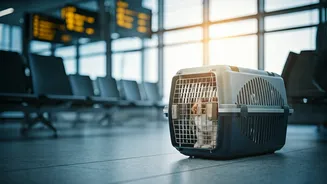
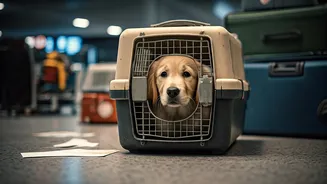
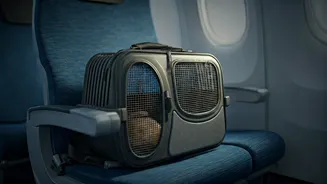
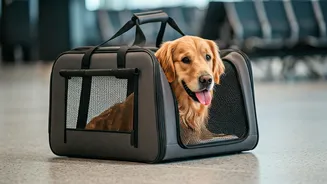
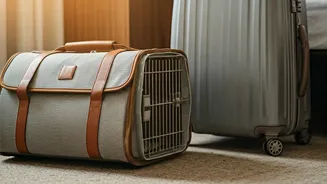
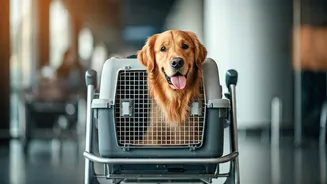
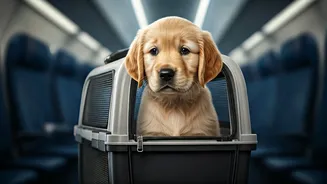
Your pet's carrier is its home for the journey, and it must meet specific standards set by the International Air Transport Association (IATA). For in-cabin travel, a soft, well-ventilated carrier that can fit under the seat in front of you is required. For cargo travel, a hard-sided, rigid crate is necessary. It must be large enough for your pet to stand up, turn around, and lie down comfortably. The crate must also be leak-proof and properly secured to prevent any chance of escape. A crucial tip from seasoned travellers is to acclimatise your pet to the carrier well before the flight. Let them sleep and play in it for a couple of weeks, so it becomes a familiar and safe space.
Breed Restrictions: An Unfortunate Reality
One of the most challenging aspects of pet travel involves breed-specific restrictions. Many airlines will not transport brachycephalic, or snub-nosed, breeds in the cargo hold. This includes popular breeds like Pugs, Bulldogs, Boxers, and Persian cats. These animals are more susceptible to respiratory distress at high altitudes and in changing temperatures. While some may be allowed in the cabin if they meet the weight requirements, rules for cargo are much stricter. Air India, for instance, explicitly restricts these breeds from cargo travel. Always declare your pet’s breed accurately when booking and confirm the airline’s policy to avoid any last-minute denials at check-in.