





Another Round of Price Increases
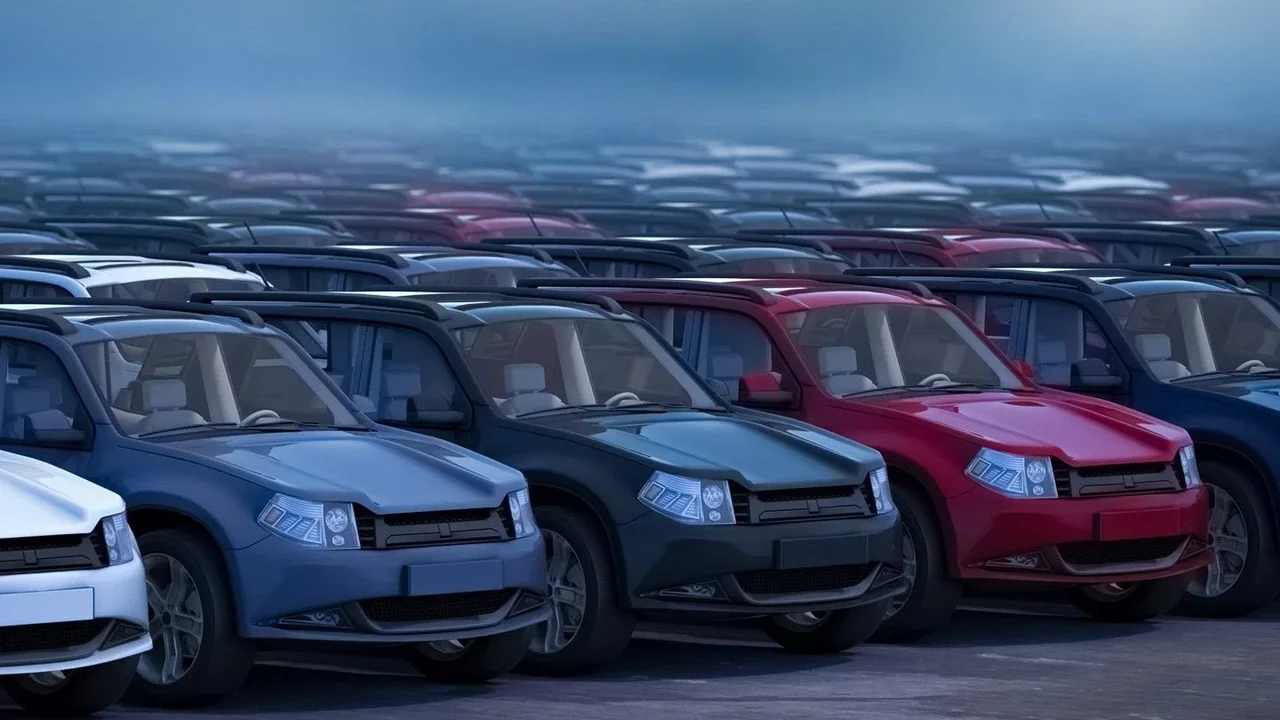
It has become a familiar pattern in the Indian auto market: just as festive demand is set to pick up, carmakers announce a fresh round of price increases. In August 2026, this trend continues with major players like Maruti Suzuki, Hyundai, and Tata Motors
all confirming upward revisions. Tata Motors announced it will increase prices across its passenger vehicle range, including electric vehicles, by up to ₹25,000 starting from September 1, 2026. This follows Hyundai's announcement of a hike of up to 1% across its portfolio, also effective in September. Maruti Suzuki, the country's largest carmaker, already implemented a price increase in August, with some models like the Baleno becoming dearer by as much as ₹30,000. For many of these companies, this is the second or even third price hike in 2026 alone, highlighting the persistent cost pressures they face.
Why Are Car Prices Going Up Again?
Automakers consistently cite a combination of factors driving these frequent price revisions. The primary reason is the sustained increase in input and commodity costs. Materials like steel and aluminium, which are crucial for manufacturing, have become more expensive. Beyond raw materials, companies point to higher operational expenses and ongoing global macroeconomic and geopolitical uncertainties that affect supply chains and currency values. Carmakers state that while they try to absorb a significant portion of these rising costs to protect customers, the persistent pressure makes it necessary to pass on a part of the burden through these price adjustments.
The Case for Booking Your Car Now
With confirmed price hikes on the immediate horizon, booking a car before they take effect has one clear advantage: locking in the current, lower price. If you have already decided on a model and variant, purchasing it before the end of August could save you a significant amount, ranging from a few thousand rupees to as much as ₹30,000, depending on the car. This strategy is particularly effective if the car you want has a long waiting period. Booking now ensures you are in the queue at today's price, protecting you from future increases that may occur before you take delivery. It also helps you avoid the inevitable festive rush, which can lead to stock shortages of popular models and colours, forcing last-minute compromises.
The Argument for Waiting a Little Longer
Despite the impending price hikes, waiting until the core festive period—typically from Navratri through Diwali—has its own potential benefits. This is the time when manufacturers and dealers roll out their most aggressive discount campaigns to maximise sales. These offers can include cash discounts, corporate bonuses, exchange offers, free insurance for the first year, or complimentary accessories. In some cases, the value of these festive deals could outweigh the announced price hike. For example, a ₹15,000 price increase could be offset by a festive package that includes free insurance and an exchange bonus worth over ₹30,000. Waiting also gives you a chance to see if any new models or facelifts are launched during the festive season, which is a common industry practice.
A Checklist for the Smart Buyer
Navigating this market requires careful consideration. Before making a decision, buyers should: 1. Calculate the Net Impact: Don't just look at the ex-showroom price hike. Contact dealerships to understand what festive offers are anticipated. Weigh the confirmed price increase against the potential (but not guaranteed) value of festive discounts. 2. Negotiate Beyond the Sticker Price: While the ex-showroom price is often non-negotiable, there is usually room to bargain on dealer-level charges, accessory packages, and insurance premiums. Always get quotes from external insurance providers to use as leverage. 3. Check for Old Stock: Dealers may be keen to clear out existing inventory of a model that is about to be updated. These outgoing versions can sometimes come with substantial discounts that are separate from general festive offers. 4. Evaluate Your Urgency: If you don't need a car immediately, waiting a few weeks to see how the festive offers pan out might be a wise move. However, if your chosen model has a high waiting period, booking now is safer. 5. Consider All Options: The festive season is a buyer's market in terms of choice. Compare models from different brands, explore certified pre-owned options, and be flexible with variants and colours to find the best possible deal.