


The First Domino: Global Conflicts and Oil Prices
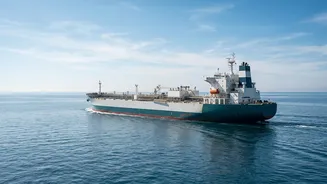
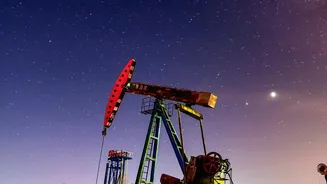
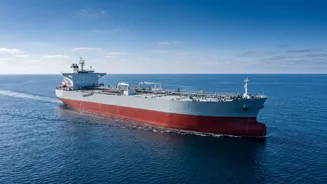
Crude oil is one of the world's most politically sensitive commodities. When conflicts erupt in major oil-producing regions, or when sanctions are imposed on large exporters, the global supply of oil can be threatened. This disruption, or even just the fear
of disruption, creates uncertainty in the market. Traders and nations worry about future availability, leading to increased demand for a potentially scarcer resource. This imbalance pushes crude oil prices upward. Events like the war in Ukraine or tensions in the Middle East have historically demonstrated this effect, causing sharp spikes in the price per barrel as supply chains are rerouted and sanctions take hold.
From Oil to Fertilisers: The Critical Energy Link
The connection between oil and your food plate is forged in fertiliser factories. Natural gas is a primary raw material, or 'feedstock', for producing nitrogen-based fertilisers like urea, which are crucial for modern agriculture. The price of natural gas is often closely linked to crude oil prices. When oil prices surge, so do gas prices. This dramatically increases the cost of manufacturing ammonia and urea. According to some estimates, natural gas can account for up to 90 percent of the production cost of anhydrous ammonia, a key ingredient. As a result, when geopolitical events make energy expensive, they make fertilisers expensive too.
India's Import Vulnerability
India is one of the world's largest consumers of fertilisers, but it is also heavily dependent on imports to meet this demand. While a significant portion of urea is produced domestically, this production itself depends on imported natural gas; it is estimated that 85% of the gas used for urea production is imported. Furthermore, India directly imports about 20% of its urea, 50% of its Di-ammonium Phosphate (DAP), and nearly all of its Muriate of Potash (MOP). This reliance means that when global fertiliser prices spike due to high energy costs or supply disruptions, India has little choice but to pay more on the international market, exposing its agricultural sector to global volatility.
The Burden on the Farmer
The Indian government shields farmers from the full impact of global price hikes through a massive subsidy program. It fixes the retail price of fertilisers like urea at a highly subsidised rate, paying manufacturers the difference between their cost and the price paid by the farmer. However, when international prices soar, this subsidy bill balloons, putting immense pressure on government finances. While this buffer helps, it isn't foolproof. Supply chain disruptions can still lead to shortages or delays in availability, affecting farmers during critical sowing seasons. Moreover, the rising cost of other inputs like diesel for tractors and water pumps, which is directly linked to crude oil prices, adds to the farmer's overall cultivation cost.
The Final Stop: Your Kitchen Table
Ultimately, these increased costs find their way to the end consumer. When farmers' expenses on critical inputs like fertiliser and diesel rise, their overall cost of cultivation goes up. To remain profitable, they must seek higher prices for their produce. This leads to an increase in the Minimum Support Prices (MSPs) set by the government and higher prices in wholesale markets. This agricultural inflation then ripples through the entire food supply chain, from the mandi to the distributor, to the local retailer, and finally, to the vegetables, grains, and pulses you buy. While the government's subsidies absorb some of the shock, they cannot completely negate the fundamental economic pressure created by global events.