



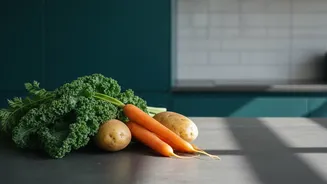
Redefining Value in the Kitchen
In a world of eye-catching packaging and gourmet marketing, it’s easy to equate value with a low price or a fancy label. We might splurge on a specialty item for a single recipe, only for it to languish in the back of the cupboard. Conversely, we might bypass
a slightly more expensive but incredibly versatile staple. The concept of 'cost per use' offers a more insightful perspective. An ingredient that can be used across breakfast, lunch, and dinner, repurposed in leftovers, and adapted for different cuisines offers far more value than a single-use product. This shift in mindset encourages us to see our pantries not just as a collection of items, but as a system of possibilities. It’s a sustainable approach that reduces food waste, saves money over time, and sparks creativity.
The Champions of Versatility
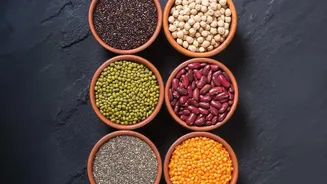
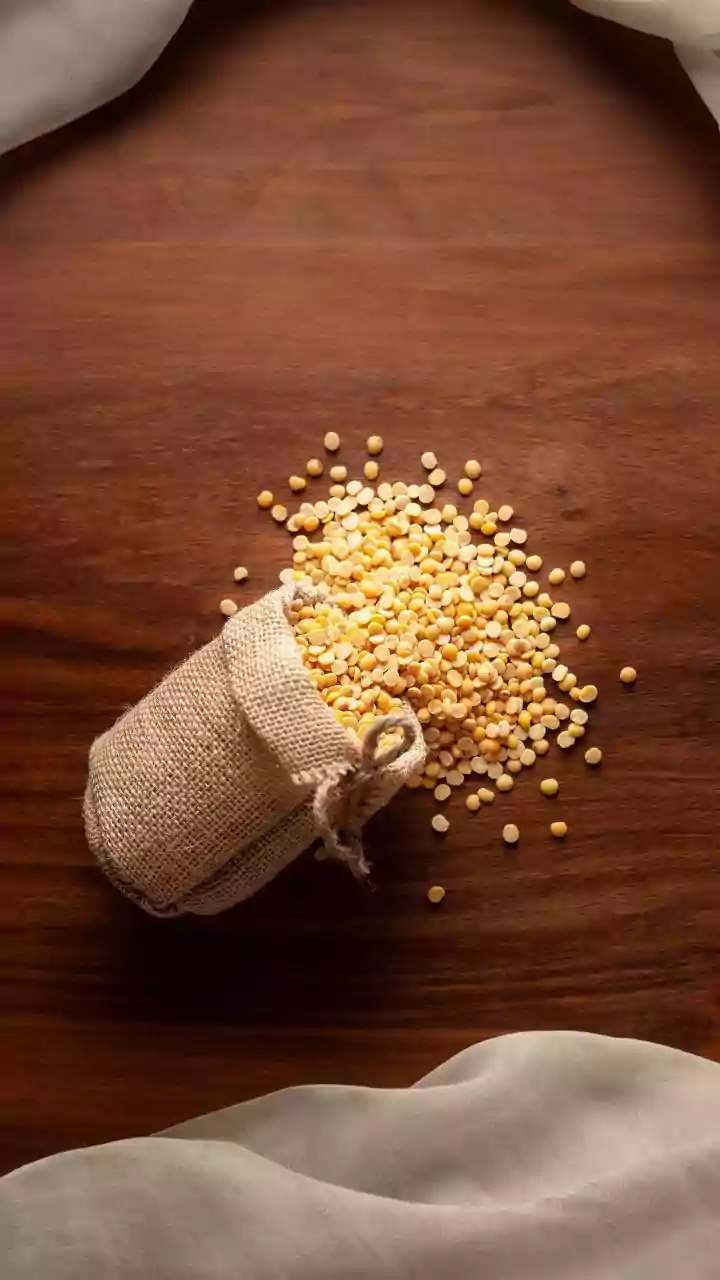
Certain ingredients are the unsung heroes of the Indian kitchen, forming the backbone of countless dishes. Think of the humble potato, which can be mashed, fried, roasted, or simmered into a curry. A bag of lentils can become dal, soup, or even patties. Onions, ginger, and garlic form the foundational trinity of flavour for a vast array of North Indian recipes. Plain yogurt is another powerhouse; it can be used to marinate meats, create cooling raitas, or add creaminess to gravies. Even rice isn't just a side dish; leftover rice can be transformed into flavourful fried rice, lemon rice, or crispy rice cakes. These ingredients are not just food; they are culinary building blocks, ready to be adapted to any meal or craving.
Beyond the Main Dish: Root-to-Stem Thinking
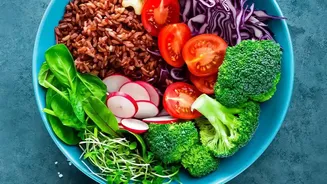
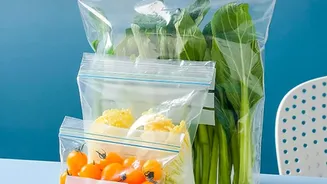
Maximising an ingredient’s value extends to using every part of it. This practice, often called 'root-to-stem' cooking, is a powerful way to reduce waste and extract more flavour and nutrition from your produce. For instance, the leafy green tops of carrots or beets, which are often discarded, can be blended into a zesty pesto or sautéed as a side dish. Broccoli and cauliflower stems, instead of being thrown away, can be chopped and added to stir-fries or soups for a pleasant crunch. You can collect vegetable peels and ends—like onion skins, carrot peels, and celery bottoms—in a bag in the freezer. Once you have enough, they can be simmered with water and herbs to create a flavourful homemade vegetable stock at no extra cost.
A Mindset of Creativity, Not Scarcity
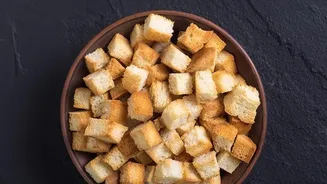
Adopting this approach isn’t about restriction; it’s about empowerment. It challenges you to become a more resourceful and intuitive cook. Before heading to the store, take a look at what you already have. That half-used jar of tamarind paste could be the base for a tangy soup. Stale bread can find new life as croutons for a salad or as breadcrumbs for cutlets. This mindset transforms the question from “What do I need to buy?” to “What can I create with what I have?” It nurtures a deeper appreciation for the food we buy and the effort that went into producing it. By seeing the potential in every ingredient, cooking becomes less of a chore and more of a creative act, saving you money while also benefiting the environment by cutting down on food waste.