

The Allure of the Northeast River
For years, adventure travel in India was synonymous with the Himalayan treks of the north or the coastal waters of the south. But a different kind of escape is capturing the imagination of a new generation: riverside camping in Meghalaya and Arunachal
Pradesh. This isn't about luxury glamping; it's about disconnecting from urban chaos and plugging into nature. It’s an experience defined by the gurgle of a clear river, the warmth of a crackling bonfire, and the profound silence of a remote valley. Backpackers are drawn by the promise of authenticity, low-cost adventure, and landscapes that feel largely untouched by commercial tourism. It offers a chance to not just see a place, but to live in it, even if just for a few nights.
Meghalaya: Camping on Crystal Waters
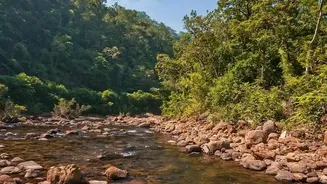
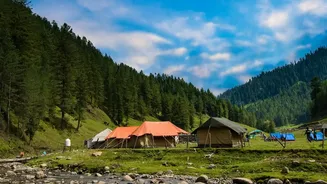
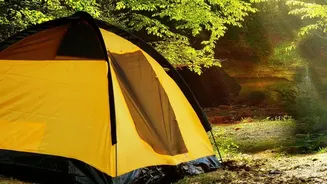
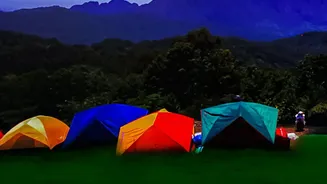
When you see pictures of boats seemingly floating in mid-air, you're likely looking at the Umngot River. Most river camping in Meghalaya is centered around this magical waterway, particularly in the village of Shnongpdeng, a quieter alternative to the more famous photo-stop at Dawki. Here, community-run campsites offer tents pitched directly on the sandy riverbanks. The experience is accessible and well-suited for first-time campers. A typical day involves waking up to mist over the water, followed by activities like kayaking in the transparent river, cliff jumping from designated spots, and boating. Evenings are for bonfires, simple local food, and stargazing, far from any city's light pollution. The best time to visit is during the winter months, from October to April, when the water is at its clearest and the weather is cool and pleasant.
Arunachal Pradesh: The Wild Frontier
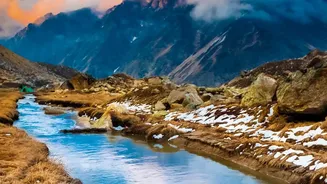
If Meghalaya is an accessible paradise, Arunachal Pradesh is the final frontier of wild, untamed river camping. The experience here is more rugged and expeditionary. Mighty rivers like the Siang, Dibang, and Subansiri carve through deep gorges, offering a much more intense connection with nature. Campsites in places like Pasighat or near the Dibang River are often more isolated, providing a true sense of solitude. Unlike Meghalaya, travel to Arunachal requires an Inner Line Permit (ILP) for Indian citizens, which is a crucial planning step. The camping here is less about casual relaxation and more about adventure; it's often combined with multi-day trekking or river rafting expeditions. It’s an experience for the more seasoned backpacker looking for a genuine challenge and the reward of truly remote landscapes.
Essential Planning for Your Trip
A successful river camping trip hinges on smart preparation. For Meghalaya, the best season is post-monsoon through winter (October to April) for clear skies and pleasant weather. For Arunachal, the same window applies, but it's even more critical to avoid the fierce monsoons. The most important document for Arunachal is the Inner Line Permit (ILP), which can be applied for online or through government offices in major cities. Many tour operators will handle this as part of a package. Budgeting is also key. In Shnongpdeng, a basic tent stay with meals can cost between ₹1,000 to ₹1,500 per person per night, with extra charges for activities like kayaking or zip-lining. Arunachal camping can vary more widely depending on the remoteness and logistics involved.
What to Pack
Packing light but smart is the backpacker's mantra. For both states, layers are essential. Pack quick-dry t-shirts, a warm fleece jacket for the evenings, and a waterproof windbreaker. Good quality, waterproof trekking shoes with solid grip are non-negotiable, as you'll be navigating uneven riverbanks and trails. A powerful headtorch or flashlight is crucial for navigating campsites after dark. Given the remote locations, a high-capacity power bank is a lifesaver. Also carry a basic first-aid kit with essentials, insect repellent, and any personal medications. Most importantly, carry enough cash, as UPI and ATMs are scarce in these riverside villages.