






The Science of Movement and Rest
The connection between exercise and sleep isn't just a feeling; it's rooted in our physiology. Physical activity helps regulate the body's internal clock, or circadian rhythm, which governs our sleep-wake cycle. Exercise raises your body temperature,
and the subsequent post-workout cooldown can signal to your brain that it’s time to rest. Furthermore, exercise is a well-documented stress reliever. It can reduce symptoms of anxiety and depression, which are common culprits behind insomnia and restless nights. By easing the mind, exercise makes it easier for the body to follow. A major 2026 meta-analysis that reviewed 200 trials with over 23,000 adults confirmed that regular exercise significantly improves how people rate their own sleep quality. People who already have poor sleep may benefit the most.
Frequency Over 'Weekend Warrior' Workouts
One of the most compelling new findings suggests that consistency is more important than cramming your activity into one or two long sessions. A recent study found that exercising more frequently, ideally daily, improves sleep quality. The research highlighted that this regular activity was particularly effective at increasing non-REM, or deep sleep, which is crucial for physical and mental restoration. You don't need to run a marathon every day. The same study found that as little as 10 minutes of moderate to vigorous activity daily was enough to make a difference. This could include a brisk walk, a quick bike ride, or even dancing in your living room. The key is to make movement a regular, non-negotiable part of your daily routine.
Does the Type of Exercise Matter?
While any movement is better than none, certain types of exercise may offer unique benefits. Moderate aerobic exercise—like walking, running, or cycling—is particularly effective at increasing the amount of time you spend in deep sleep. This is the stage where your body does most of its restorative work. Strength training has also been shown to improve overall sleep quality, reduce nighttime awakenings, and help people fall asleep faster. Some preliminary research has even pointed to yoga as a top contender for improving sleep, possibly because its focus on controlled breathing helps activate the body's 'rest and digest' nervous system. The best approach is often a combination, and ultimately, choosing an activity you enjoy will make you more likely to stick with it.
The Critical Role of Timing
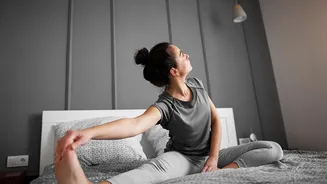
When you exercise can be just as important as the exercise itself. For a long time, the conventional wisdom was to avoid evening workouts. New research adds significant weight to this advice, especially for high-intensity exercise. A large study found that strenuous workouts ending within four hours of bedtime were consistently associated with delayed sleep, reduced total sleep time, and poorer sleep quality. Intense exercise elevates your heart rate, core body temperature, and mental alertness, leaving your body in a 'revved up' state that's counterproductive to sleep. To be safe, try to conclude any vigorous activity at least four hours before you plan to go to bed. If the evening is your only window, opt for light or moderate exercises like a gentle walk or stretching, which are less likely to interfere with your ability to wind down.