






Fuel Your Brain Deliberately
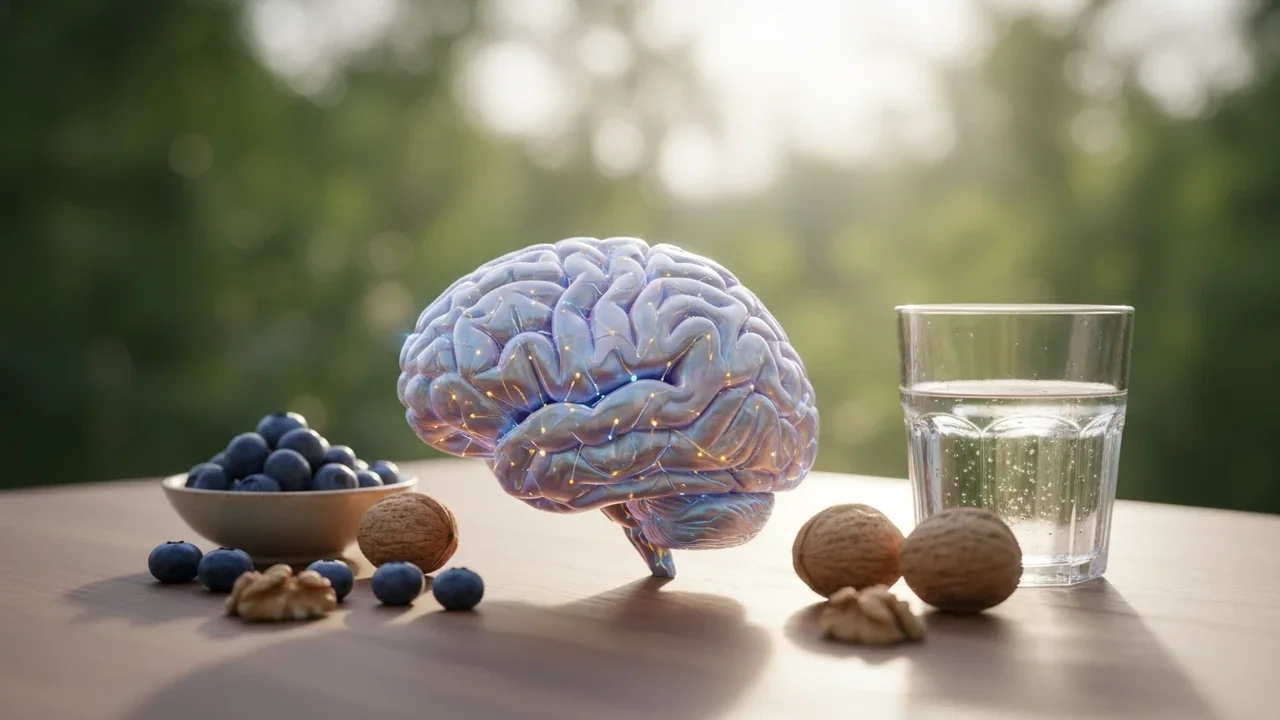
What you eat directly impacts your brain's structure and function. Diets high in processed foods, sugars, and unhealthy fats can contribute to inflammation and have been linked to faster cognitive decline. Conversely, a diet rich in fruits, vegetables,
and healthy fats helps nourish the brain. The Mediterranean and MIND diets, for example, are associated with a lower risk of cognitive impairment. These eating patterns emphasise whole foods, leafy greens, berries, nuts, and fish rich in omega-3 fatty acids, which support memory and learning. Think of it less as a restrictive diet and more as a conscious choice to provide your brain with the high-quality fuel it needs to thrive. Over time, these choices contribute significantly to your cognitive resilience.
Make Movement Non-Negotiable
Regular physical activity is one of the most powerful things you can do for your brain. Exercise increases blood flow to the brain, which is crucial for its health. It also stimulates the growth of new neural connections and can even increase the size of the hippocampus, a part of the brain essential for learning and memory. You don’t have to run a marathon to see benefits. Activities like brisk walking, dancing, swimming, or even gardening can make a real difference. Beyond long-term structural changes, exercise also releases chemicals like dopamine and endorphins, which can improve your mood and reduce stress in the short term.
Prioritise Deep, Restorative Sleep
Sleep is not a passive state; it's a critical period of housekeeping for your brain. While you sleep, your brain consolidates memories, strengthens neural pathways, and clears out toxins that build up during waking hours. Consistently failing to get the recommended seven to nine hours of sleep can impair concentration, decision-making, and memory. During deep sleep, the brain's glymphatic system—its unique waste-clearance process—is most active, flushing out proteins associated with neurodegenerative diseases. Making sleep a priority is a foundational habit for maintaining cognitive performance and long-term brain health.
Nurture Your Social Connections
Humans are social creatures, and our brains reflect that. Engaging with others stimulates our minds in complex ways, engaging memory, attention, and other cognitive processes. Studies have shown a strong link between active social lives and a reduced rate of cognitive decline. One study found that people who were the most socially active had 70% less cognitive decline compared to those who were least active. This doesn't just mean being in a room with people; it involves meaningful interaction, conversation, and a sense of community. Whether it’s catching up with friends, volunteering, or joining a club, these activities serve as a workout for the social parts of your brain.
Challenge Your Mind in New Ways
The idea of "use it or lose it" certainly applies to the brain. Lifelong learning and challenging your mind with new activities helps build what experts call a "cognitive reserve." This reserve is like a backup system that helps your brain stay resilient against age-related changes. When you learn a new skill, like a language or a musical instrument, you create and strengthen neural pathways. This process, known as neuroplasticity, allows your brain to adapt and reorganise itself. The key is to move beyond activities that have become routine and embrace tasks that are novel and mentally demanding. This continuous engagement keeps your brain flexible and sharp.