






The Bedrock of National Productivity
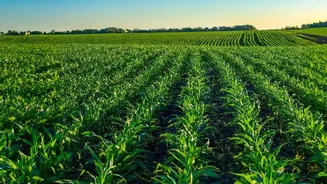
At its most basic level, healthy cropland is productive cropland. Soil rich in organic matter and essential nutrients acts like a sponge, retaining water and making farms more resilient to erratic monsoons and drought. This directly translates to higher
and more stable crop yields. When soil is healthy, it provides a steady supply of nutrients to plants, reducing the need for expensive chemical fertilisers. Studies have shown that farmers who adopt practices to improve soil health often see a significant increase in their net income. For example, a shift to balanced, soil-test-based nutrient application can increase net income from major crops substantially. This isn't just about growing more food; it's about growing it more efficiently and profitably. In the 1970s, one kilogram of fertiliser could produce 15 kilograms of grain in India; by 2015, that ratio had dropped to just five kilograms, showing how depleted soils respond poorly to inputs. Restoring soil health reverses this trend, ensuring every rupee invested in farming goes further.
A Hidden Universe of Biodiversity
Healthy cropland is teeming with life, much of it invisible. A single spoonful of healthy soil contains billions of microbes that are essential for nutrient cycling and plant growth. This underground ecosystem is the foundation for a much larger web of life. Practices that enhance soil health, like reducing chemical inputs and planting diverse crops, also support above-ground biodiversity. This includes essential pollinators like bees and butterflies, as well as insects and birds that act as natural pest control. Conventional intensive agriculture, on the other hand, is a primary driver of biodiversity loss. By treating the farm as a holistic ecosystem rather than a factory floor, methods like agroforestry—integrating trees with crops—create habitats for a variety of species. This biodiversity isn't just nice to have; it's a critical component of a resilient and self-sustaining agricultural system. When biodiversity thrives, the farm's natural defences against pests and diseases are stronger, further reducing the need for chemical intervention.
The Human Story: Strengthening Rural Livelihoods
For the nearly 58% of India's population dependent on agriculture, cropland health is directly tied to their economic survival. When soil is degraded, productivity falls, and farmers often fall into a vicious cycle of debt, forced to spend more on fertilisers and pesticides for diminishing returns. Conversely, healthy land provides a stable and often diversified income. Regenerative practices lower production costs significantly by replacing purchased chemicals with on-farm resources like compost and bio-fertilisers. Furthermore, diversifying the farm with multiple crops or integrating trees and livestock provides multiple revenue streams throughout the year, cushioning families from the financial shock of a single failed harvest. This economic stability has a ripple effect, improving food security, health outcomes, and overall well-being in rural communities. Farmers who transition to these sustainable methods often report not only higher earnings but also a renewed sense of pride and connection to their land.
The Vicious Cycle of Degradation
When cropland health declines, the interconnected systems begin to break down, creating a negative feedback loop. Land degradation, which affects a significant portion of India's land area, leads to soil erosion, loss of nutrients, and reduced water-holding capacity. This forces farmers to use more chemical inputs to maintain yields, which further harms the soil's microbial life and pollutes water sources. The loss of biodiversity means fewer natural pollinators and pest controllers, increasing reliance on external inputs. This degradation ultimately threatens food security and pushes rural communities deeper into economic distress. It's a cycle that not only undermines agricultural productivity but also diminishes the ecosystem's ability to provide essential services, from clean water to climate regulation.
The Path Forward: A Regenerative Approach
The good news is that this downward spiral can be reversed. Across India, a movement towards regenerative agriculture is gaining momentum. This approach focuses on actively rebuilding soil health through practices like minimal tillage, cover cropping, and using natural inputs. Government initiatives like the National Mission for Sustainable Agriculture and the Soil Health Card scheme are providing crucial support for this transition. By viewing the farm as an ecosystem, these methods restore the virtuous cycle where healthy soil boosts productivity, which in turn supports a rich tapestry of biodiversity and secures the livelihoods of those who steward the land. Restoring our soils is not just an agricultural policy; it's a foundational strategy for India's long-term economic prosperity, environmental resilience, and social well-being.