





From Ornamental to Functional
For years, the urban Indian balcony has been a space for a few ornamental plants, a place to dry clothes, or simply a window to the world outside. But a growing movement is reimagining these small spaces as vital ecological hubs. The shift is from purely
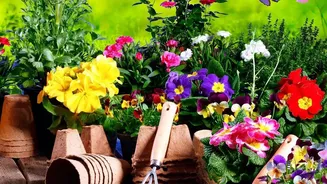
decorative gardening to functional greening, where the choice of plants is deliberate, focusing on species that serve a purpose beyond just looking beautiful. By selecting nectar-rich flowers and, crucially, native plants, city dwellers are creating essential pit stops for the pollinators that our food systems depend on. These tiny, buzzing visitors—bees, butterflies, and sunbirds—are facing dwindling habitats in concrete jungles, and a thoughtfully planted balcony can become a lifeline.
Why Native Plants Matter
Choosing native plants is the cornerstone of creating a truly functional balcony garden. Unlike exotic species, native plants have evolved over millennia to thrive in local Indian climates, soil conditions, and ecological networks. This makes them inherently more resilient and lower maintenance. They are naturally resistant to local pests and diseases, which reduces or eliminates the need for chemical pesticides that can harm beneficial insects. Furthermore, native flora provides the specific food and shelter that local wildlife—from insects to birds—requires to survive and reproduce. A balcony filled with native species becomes more than a garden; it's a micro-habitat that helps stitch together the fragmented green spaces of a city.
Top Plants for a Pollinator Balcony
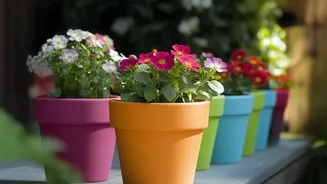
Creating a pollinator paradise starts with the right selection of plants. The goal is to offer a diverse menu of nectar sources with varied flower shapes and colours to attract different visitors. For Indian balconies, several hardy and beautiful native or naturalised plants are perfect choices. Hibiscus, with its large, nectar-filled blooms, is a favourite for sunbirds and bees. Marigolds, culturally significant and easy to grow, offer bright landing pads for butterflies. The sacred Tulsi, when allowed to flower, becomes a magnet for tiny native bees. Fragrant Jasmine (Mogra) and the colourful clusters of Ixora are also excellent at attracting a variety of pollinators. For those wanting to support the entire lifecycle of butterflies, planting host plants like the lemon tree is also a great step.
Creating Your Balcony Ecosystem
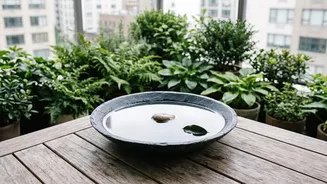
Beyond just plants, a few simple additions can make your balcony even more welcoming. A shallow dish of water with pebbles or marbles provides a safe place for bees and butterflies to drink without drowning. It is crucial to avoid chemical pesticides and herbicides, which cause indiscriminate harm to both pests and beneficial insects. Instead, embrace organic methods like using neem oil sprays or simply removing pests by hand. You can also consider adding a 'bee hotel' made of hollow reeds or wood to provide nesting sites for solitary bees. Finally, try to ensure a continuous supply of blooms throughout the year by choosing plants with different flowering seasons.
The Power of a Green Network
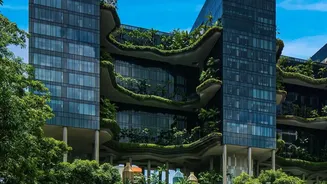
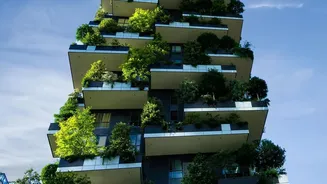
While a single functional balcony is a wonderful achievement, its true power is realised when it becomes part of a larger network. When numerous balconies in a building or neighbourhood adopt this approach, they create 'green corridors' or stepping stones for wildlife. These interconnected patches of green allow pollinators to travel safely across otherwise hostile urban landscapes, helping to maintain genetic diversity and healthy plant populations throughout the city. This collective effort transforms individual actions into a significant, city-wide ecological service, improving air quality, supporting food production, and bringing nature back into our daily lives.