




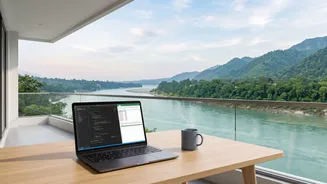


The New Commute: Yoga Mat to Laptop
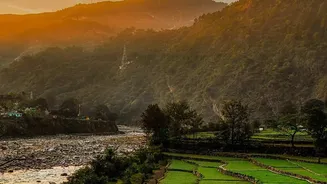
Imagine a workday that begins not with a battle through traffic and smog, but with a sunrise yoga session overlooking the foothills of the Himalayas. This isn't a distant fantasy; it's the daily reality for a new wave of digital professionals. Tech freelancers,
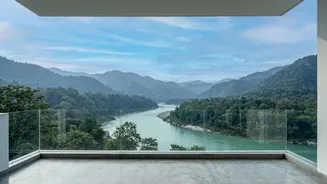
coders, and creative consultants from the bustling metropolis of Delhi and the National Capital Region (NCR) are packing their laptops and seeking a different kind of productivity in the spiritual town of Rishikesh. The trend, popularly known as a 'workation', has transformed this 'Yoga Capital of the World' into one of India's most vibrant digital nomad hubs. The appeal lies in a radical redefinition of work-life balance, where deadlines are met between dips in the holy river and client calls are taken from cafes with panoramic mountain views.
Swapping Concrete Jungles for Serenity
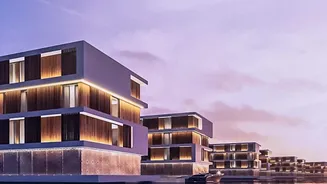
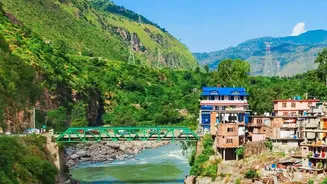
The migration is fueled by a combination of 'push' from the city and 'pull' from the mountains. For many, the relentless pace, high cost of living, pollution, and isolation of freelance life in a major metro like Gurgaon or Noida had become unsustainable. Rishikesh offers a compelling alternative. It presents a unique blend of spiritual tranquility, adventure sports, a thriving cafe culture, and crucially, the modern infrastructure required for remote work. Neighbourhoods like Tapovan and Laxman Jhula have become the epicentre of this movement, where former backpacker hostels and new properties have evolved into state-of-the-art co-living spaces tailored for professionals.
The Anatomy of a Himalayan Co-Living Hub
These are not just places to sleep; they are integrated ecosystems for modern workers. A typical co-living hub in Rishikesh offers a bundle of essentials designed for seamless productivity. High-speed fibre internet, often with speeds from 100 to 300 Mbps, is now standard. Recognizing the unreliability of local power grids, 24/7 power backup is a non-negotiable feature. Many spaces like Zostel and goSTOPS feature dedicated, air-conditioned co-working floors with ergonomic chairs, private call pods, and ample power outlets. Beyond the desk, they foster a sense of belonging through communal kitchens, movie nights, group hikes, and skill-sharing workshops, directly addressing the loneliness that often accompanies remote work.
The Economics of an Upgraded Lifestyle
Perhaps the most persuasive argument for many is the financial logic. A workation in Rishikesh is significantly more affordable than life in Delhi-NCR. A monthly budget for an active, healthy nomad lifestyle can range from ₹28,500 to ₹51,000. Long-stay monthly deals at co-living hostels can cost between ₹12,000 and ₹18,000 for a dorm bed. A private room in a guesthouse or co-living space might range from ₹15,000 to ₹35,000 per month. When compared to the high rents, commuting costs, and expensive social life of a city like Delhi, where a central one-bedroom apartment can cost over ₹25,000 alone, Rishikesh offers a chance to lower expenses while arguably upgrading one's quality of life.
Beyond the Scenic View: Reality Check
The lifestyle, while idyllic, is not without its challenges. While the curated co-living environments are reliable, the broader infrastructure can still be unpredictable. The 'tourist town' atmosphere can sometimes be distracting, and the very freedom that makes this life attractive requires immense self-discipline to avoid burnout. However, the community aspect often provides a natural support system. Freelancers share tips on everything from the best cafes with reliable Wi-Fi to finding a mechanic for a rental scooter. WhatsApp groups and in-person meetups help newcomers integrate and find their tribe, transforming a solo journey into a shared experience.