



The Ancient Magic of Fermentation
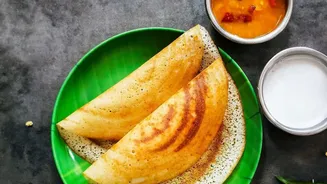
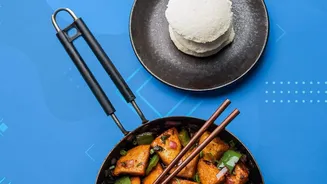
At the heart of what makes dosa and idli so special is the age-old process of fermentation. The batter, a simple mixture of ground rice and urad dal (black gram), is left to rest for several hours, typically overnight. During this time, naturally occurring
microorganisms—friendly bacteria and yeasts—get to work. These microbes, particularly Lactic Acid Bacteria (LAB) like Lactobacillus, feed on the carbohydrates in the batter, transforming them into lactic acid. This process not only gives the batter its characteristic slight tang and airy texture but also turns it into a powerhouse of gut-friendly goodness.
A Natural Probiotic Powerhouse
Modern wellness conversations are full of talk about probiotics, and for good reason. These live, beneficial bacteria are crucial for maintaining a healthy gut microbiome, which is the community of trillions of microbes living in your digestive tract. Fermented dosa batter is teeming with these natural probiotics. When you eat a dosa or idli made from traditionally fermented batter, you introduce these good bacteria into your system. They help balance your gut flora, which can prevent digestive issues like bloating, constipation, and indigestion. A healthy gut microbiome is also linked to a stronger immune system, as a significant portion of your body's immune cells reside in the gut.
Unlocking Essential Nutrients
One of the most remarkable benefits of fermentation is its ability to make nutrients more available to your body. Grains and lentils contain compounds known as 'anti-nutrients', such as phytic acid, which can bind to minerals and block their absorption. The fermentation process breaks down these anti-nutrients significantly. As a result, essential minerals like iron, zinc, and calcium present in the rice and dal become more bioavailable, meaning your body can absorb and use them more effectively. Furthermore, the microorganisms involved in fermentation actually synthesize new nutrients, boosting the batter's content of B-vitamins like folate, riboflavin, and B12, which are vital for energy production and overall health.
Easier Digestion and Increased Comfort
If you find some foods heavy or difficult to digest, fermented options like dosa and idli could be a game-changer. The fermentation process essentially 'pre-digests' the food for you. The bacteria break down complex carbohydrates and proteins into simpler, more manageable forms. This means your digestive system doesn't have to work as hard, making these foods incredibly easy on the stomach. This pre-digestion is why idlis are often recommended as a light yet nourishing meal for people of all ages, from young children to the elderly, and even during recovery from illness. For those with sensitive stomachs or conditions like Irritable Bowel Syndrome (IBS), the gentleness of these fermented foods can bring significant comfort.
Beyond the Batter
While dosa and idli are the most famous examples, the wisdom of fermentation is woven throughout Indian cuisine. Traditional homemade pickles (achaar), buttermilk (chaas), and curd (dahi) are other excellent sources of probiotics that support gut health. Even regional specialties like Kanji, a fermented carrot drink, serve the same purpose of nourishing the gut microbiome. Incorporating a variety of these traditional fermented foods into your diet is a delicious and time-tested way to support your digestive wellness naturally. By enjoying these foods, you are not just eating a meal; you are partaking in a culinary heritage that has prioritized gut health for centuries.