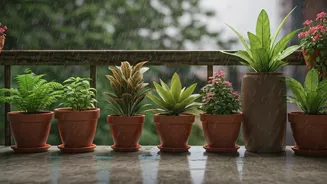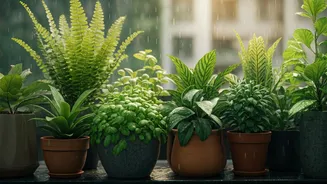



Choose the Right Monsoon Champions
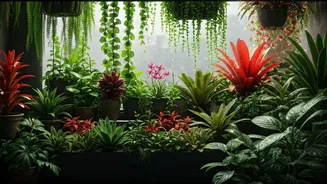
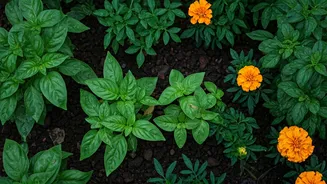
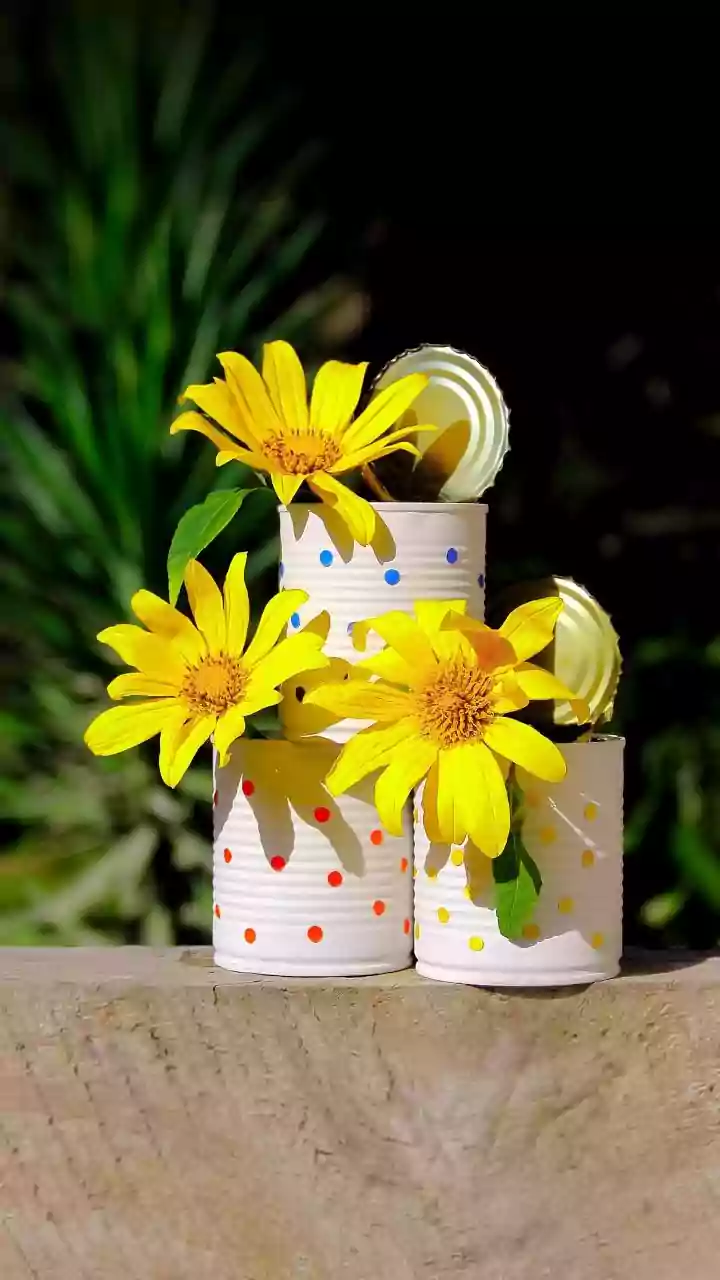
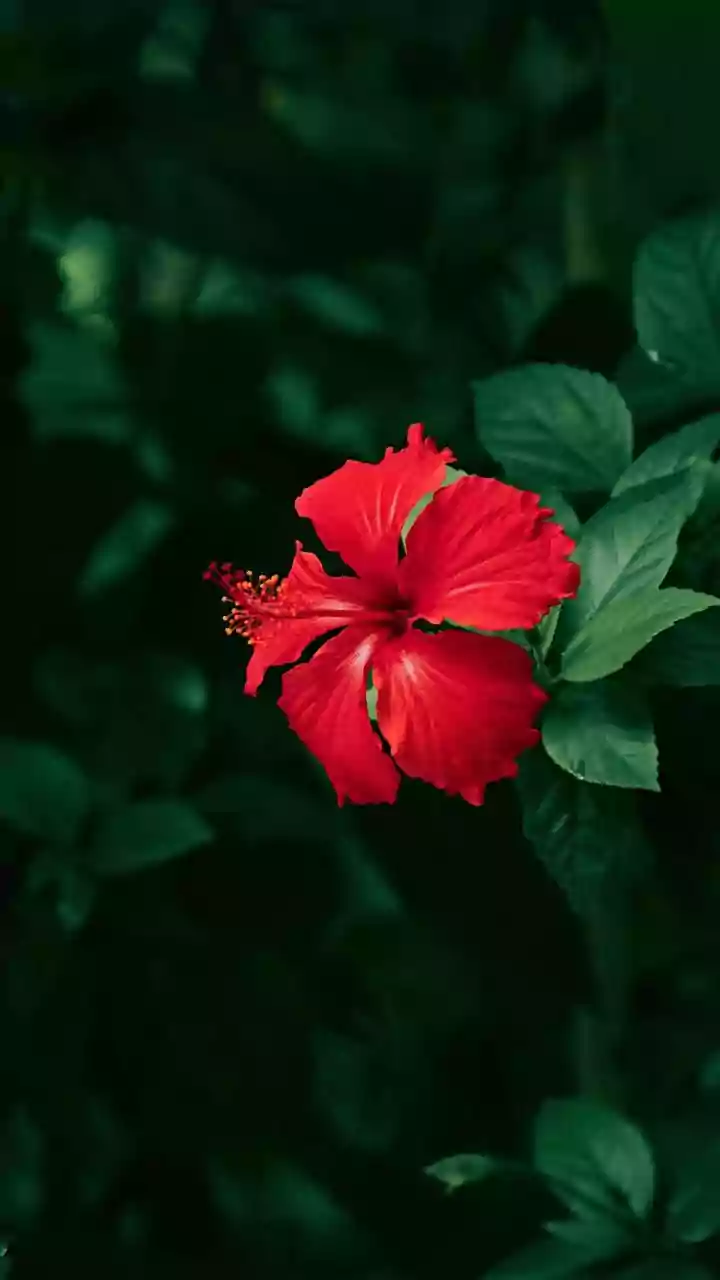
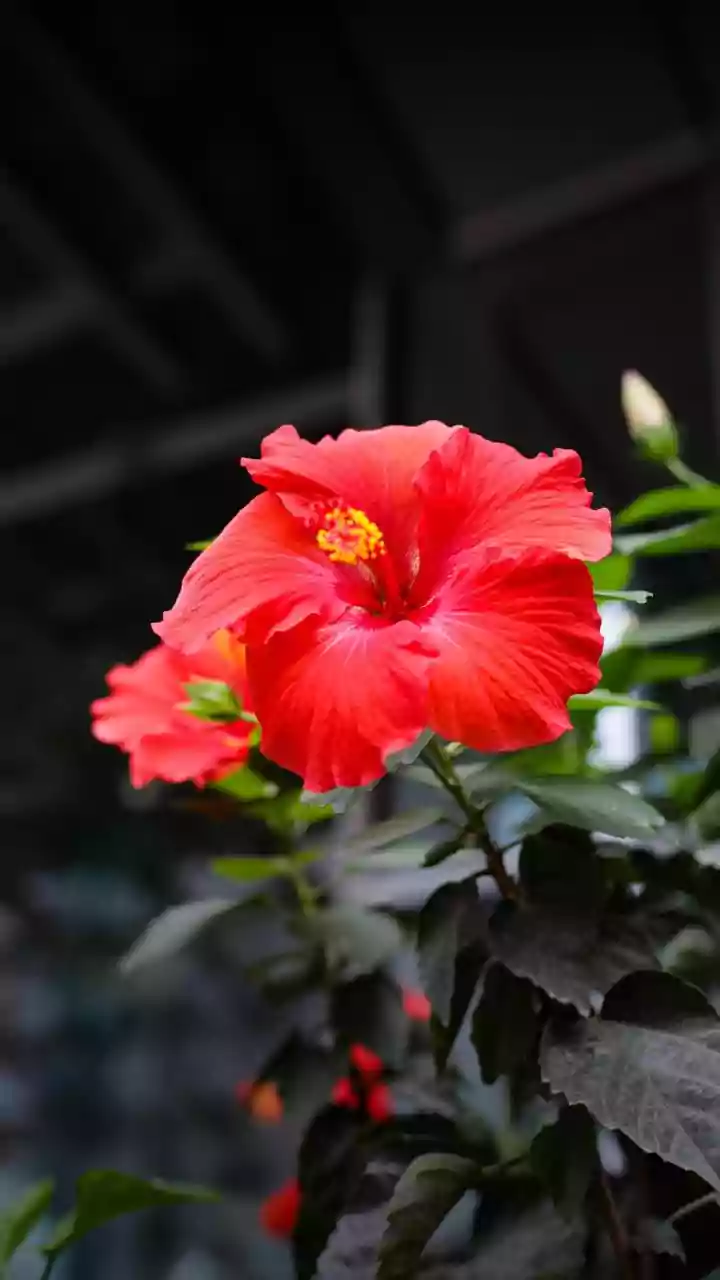
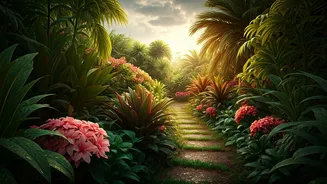
Not all plants enjoy the constant humidity and downpours of the monsoon. The key is to select species that thrive in these conditions. For vibrant flowers, consider balsam, marigold, zinnia, and hibiscus, which love the moisture and bloom profusely. If
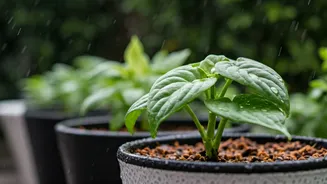
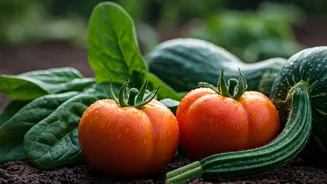
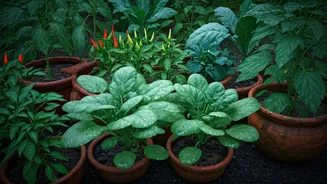
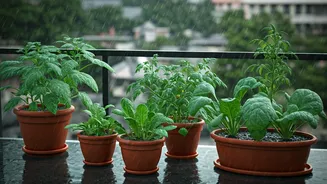
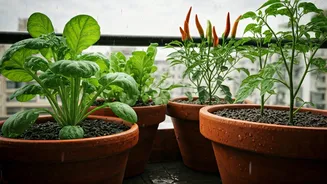
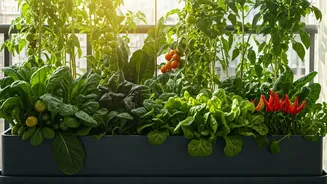
you're looking to grow edibles, this is the perfect time for leafy greens like spinach (palak) and amaranth (chaulai), as well as vegetables like chillies, brinjal, and okra (bhindi). Herbs such as mint and basil also flourish in the damp, warm weather. These plants are adapted to the Indian climate and will reward your efforts with lush growth.
Perfect Your Potting Mix
The single biggest enemy of container plants during the monsoon is root rot, caused by waterlogged soil. Your regular potting mix might not be sufficient. To combat this, create a well-draining medium. A reliable formula is one part garden soil, one part coco peat or peat moss, and one part coarse sand or perlite. The coco peat helps retain just enough moisture, while the sand or perlite creates air pockets and ensures excess water drains away quickly. Avoid using heavy, clay-rich soil, which will turn into a block of mud.
Master the Art of Drainage
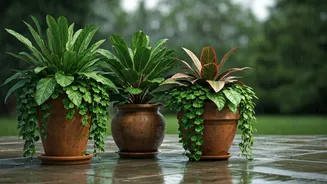
A good potting mix is only half the battle; excellent drainage is non-negotiable. Before planting, ensure every pot has at least two to three clear drainage holes at the bottom. If your favourite decorative pot doesn't have holes, you have two options: drill them yourself or use it as a cachepot (a decorative outer pot) by placing a smaller pot with drainage inside it. To further improve drainage, you can elevate your pots slightly using pot feet or by placing them on a stand. This simple trick prevents the base of the pot from sitting in a puddle of water and allows air to circulate underneath.
Rethink Your Watering Schedule
It might seem counterintuitive, but you still need to monitor your plants' water needs during the monsoon. Don't assume the rain is doing all the work for you. Sometimes, a thick canopy of leaves can prevent rainwater from ever reaching the soil. Conversely, constant drizzling can oversaturate the soil. The golden rule is to check the soil before watering. Stick your finger about an inch into the potting mix. If it feels dry, it's time to water. If it feels damp or wet, hold off. This prevents both under-watering and the more common monsoon problem of over-watering.
Provide Shelter from the Storm
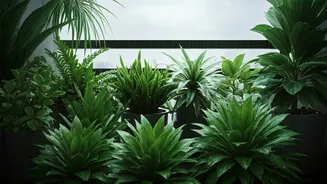
While monsoon-friendly plants love water, a sudden, heavy downpour can physically damage delicate leaves and flowers or even uproot young saplings. If your balcony is exposed to strong winds and direct, forceful rain, consider providing some form of temporary shelter. You can move smaller, more delicate pots closer to the wall or under an overhang. For a more permanent solution, you can install a simple bamboo screen or a green shade net on the exposed side of your balcony. This will buffer the force of the rain and wind, protecting your green companions.
Stay Vigilant Against Pests
The high humidity and damp conditions of the monsoon are a breeding ground for fungal diseases and pests like mealybugs, aphids, and slugs. Inspect your plants regularly, paying close attention to the undersides of leaves and new growth. A proactive approach is best. Spray your plants with a diluted neem oil solution (a few drops of neem oil and a drop of liquid soap in a litre of water) every 10-15 days. This acts as a natural, organic pesticide and fungicide, keeping most common problems at bay without resorting to harsh chemicals.