





Why This September is Crucial
The final month of the monsoon season is critical for topping up India's major reservoirs. Recent reports from late August 2026 indicate that while rainfall has provided some relief, overall storage in many key reservoirs remains below the levels of last
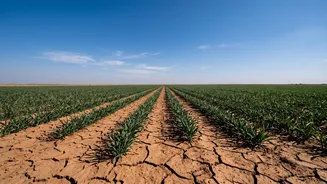
year and is hovering close to the long-term average. Forecasts from multiple weather agencies suggest that September could be significantly drier than usual, with some predicting rainfall to be well below the long-period average. A weak end to the monsoon means less water stored for the long dry season ahead, impacting everything from drinking water supplies to agriculture and power generation. This makes individual and community conservation efforts more important than ever.
The Kitchen: Your First Point of Action
The kitchen is a hub of water usage, but small changes here can lead to big savings. Instead of washing vegetables under a running tap, use a bowl of water; this collected water can then be used for watering plants. Similarly, when washing dishes, avoid leaving the tap on. Soak pots and pans to loosen food residue before scrubbing. Another significant area of waste comes from RO water purifiers, which can discard two to three litres of water for every litre purified. Collect this 'waste' water in a bucket and reuse it for mopping floors, cleaning balconies, or flushing toilets. These simple adjustments can save hundreds of litres each month.
Rethinking the Bathroom Routine
Bathrooms are responsible for a large portion of a home's water consumption. One of the most effective ways to cut down is to switch from long showers to using a bucket. This single change gives you precise control over the amount of water used. Another simple yet powerful habit is to turn off the tap while brushing your teeth or shaving. A running tap can waste several litres of water every minute, so this small action has a cumulative impact. Regularly check your toilet's cistern for silent leaks. A simple way to do this is to add a few drops of food colouring to the tank; if the colour appears in the bowl without flushing, you have a leak that needs fixing.
Hunt Down and Fix Leaks
A dripping tap might seem like a minor annoyance, but it can waste thousands of litres of water over a year. Make it a priority to regularly inspect all taps, pipes, and toilet flushes in your home for leaks. Check under sinks, behind toilets, and listen for the sound of running water when all fixtures are turned off. For a more thorough check, you can read your water meter, avoid using any water for an hour, and then check the meter again. If the reading has changed, it signals a hidden leak somewhere in your plumbing system. Promptly replacing worn-out washers or getting professional help for bigger issues is an investment that pays off in both water and cost savings.
Smarter Outdoor and Utility Use
Water use extends beyond the kitchen and bathroom. When it comes to laundry, always aim to run your washing machine with a full load to maximize efficiency. If you have a garden, water your plants early in the morning or late in the evening to reduce evaporation. Instead of hosing down driveways or vehicles, which uses a tremendous amount of water, opt for a bucket and cloth. These practices not only conserve municipal water but also help in maintaining groundwater levels, which are under increasing pressure in many urban areas.