




The New Rules of the Game
Historically, India's space sector was the exclusive domain of the Indian Space Research Organisation (ISRO). However, recent reforms, most notably the Indian Space Policy 2023 and a landmark amendment to the Foreign Direct Investment (FDI) policy in 2024,
have fundamentally changed the landscape. The new rules create a tiered system designed to attract foreign capital and expertise. For manufacturing components and systems for satellites and ground segments, 100% FDI is now permitted through the automatic route, requiring no prior government approval. For more sensitive areas, the policy allows up to 74% FDI under the automatic route for satellite manufacturing and operations, and up to 49% for launch vehicles and the creation of spaceports. Anything beyond these caps requires government clearance. This shift was critical, as the previous, more restrictive approval process was often a deterrent for institutional investors. The goal is to transition ISRO's role towards research and development, while private entities, boosted by foreign capital, handle commercial operations.
Fueling the Startup Engine
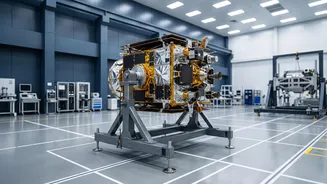
The policy changes are a direct boost for India’s rapidly growing private space ecosystem. The number of space startups has surged, growing from just one in 2014 to over 400 by 2026. These companies are working on everything from launch vehicles and satellite manufacturing to propulsion systems and earth observation. The influx of foreign capital is expected to be a game-changer for these startups, which often face long development cycles and high capital needs. With easier access to global funds, Indian startups can accelerate research, scale up manufacturing, and compete on the world stage. The government has also established IN-SPACe (Indian National Space Promotion and Authorisation Centre) as a single-window agency to promote, authorise, and supervise private space activities, streamlining the process for new ventures. This combination of policy reform and institutional support is transforming India into a global hub for cost-effective satellite development and component manufacturing.
A Galaxy of New Jobs
With industry growth comes significant job creation. India's space economy, currently valued at around USD 8-9 billion, is projected to reach between USD 40-45 billion by the early 2030s. One workforce analysis suggests that this expansion could create over 200,000 jobs in the next decade across aerospace, drones, and spacetech. These roles are not just for rocket scientists; they span technical, scientific, digital, and managerial functions. Fresh engineering graduates can find starting salaries between ₹6 lakh and ₹8 lakh, while experienced specialists can command salaries of ₹25 lakh or more. As foreign companies invest in joint ventures and set up manufacturing facilities, demand is expected to grow for skilled workers in systems design, operations, and advanced manufacturing, particularly in hubs like Bengaluru. This investment also allows Indian small and medium enterprises (MSMEs) to upgrade their infrastructure, transforming them from local suppliers into global exporters of aerospace hardware.
Navigating the Path Forward
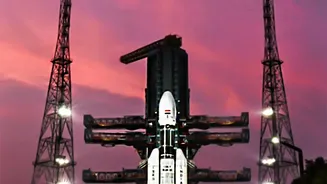
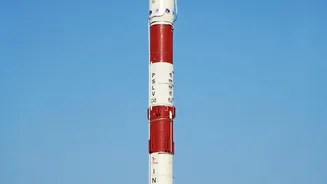
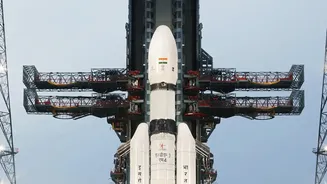
While the potential is enormous, realizing it requires navigating certain challenges. A key issue is the demand for a highly skilled workforce. The industry needs to scale up talent in niche areas like autonomous systems, quantum tech, and advanced avionics to meet the projected growth. Bridging this skills gap through enhanced industry-academia collaborations and specialised courses will be crucial. Furthermore, the liberalised FDI policy still includes government approval routes for higher stakes in strategic areas like launch vehicles, maintaining a layer of regulatory oversight. The role of IN-SPACe will be vital in ensuring that this new era of private and foreign participation is managed effectively, balancing commercial ambitions with national strategic interests. The successful launch of Vikram-1, India's first privately developed orbital rocket, showcases the potential of this new public-private synergy. As global capital meets Indian ingenuity, the sector is on a trajectory to not only create jobs but also to secure a larger share of the global space economy, which is projected to rise from its current 2% to as high as 10%.