


Why Mandu Is Magical in Monsoon
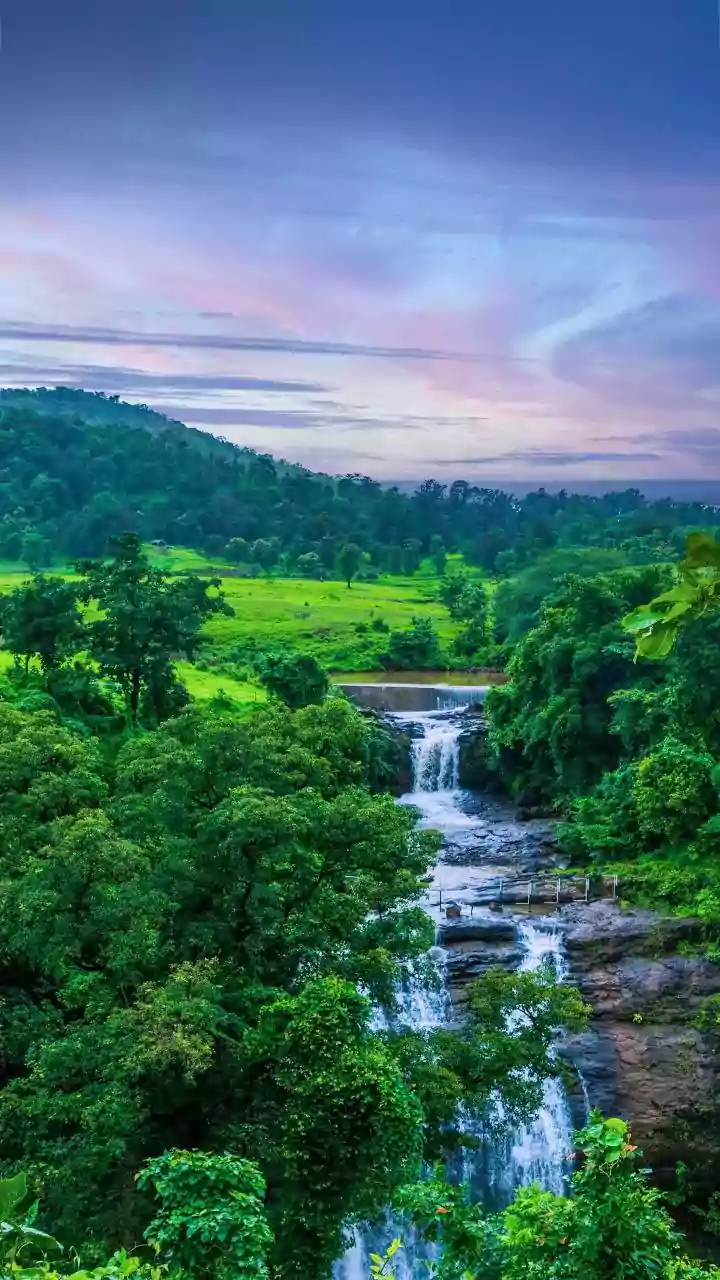
They don't call Mandu the ‘City of Joy’ for nothing. During the monsoon, this historical citadel, perched atop the Vindhya Range, comes alive. The rain washes the ancient stones, fills the lakes and reservoirs, and cloaks the rolling hills in a fine mist.
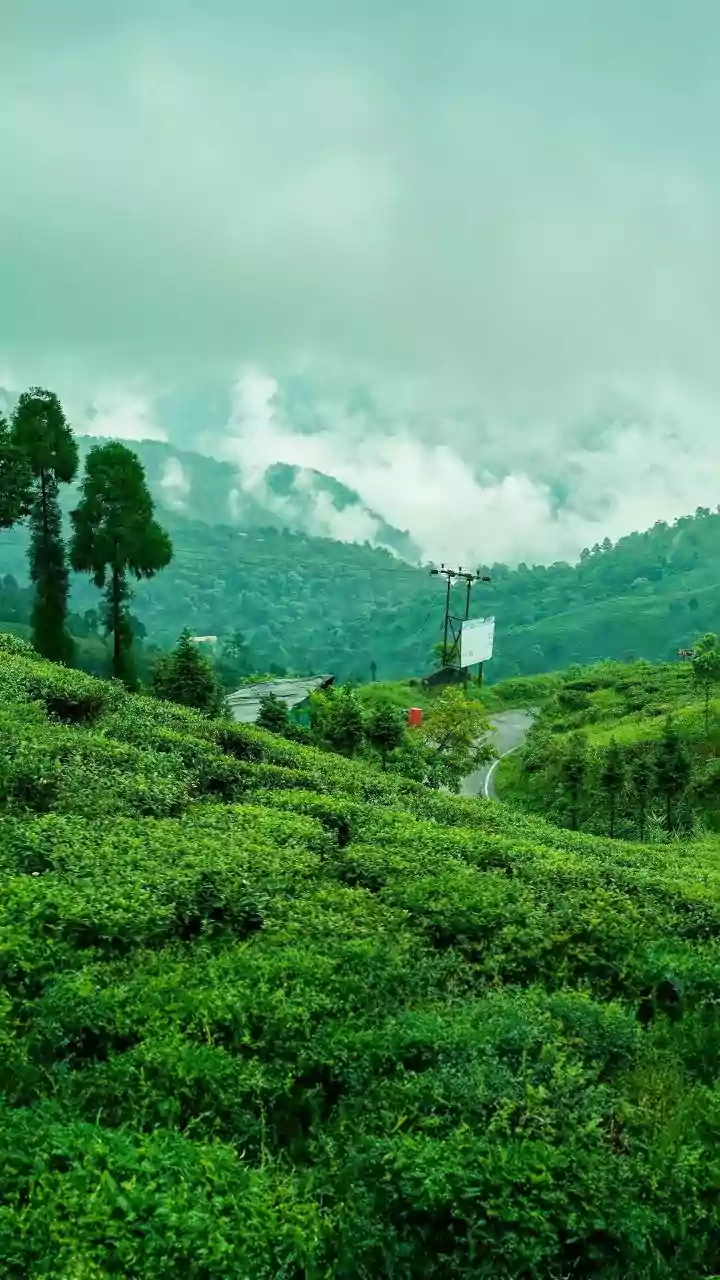
The landscape turns a vibrant emerald green, making the majestic ruins of palaces, mosques, and tombs look even more dramatic. Emperor Jehangir himself was said to be captivated by Mandu's monsoon beauty. The weather is pleasant and cool, offering a much-needed respite from the urban heat. It’s a time when history feels palpable, and every monument tells a story whispered by the rain.
The Journey from Bhopal: A Simple Drive
Getting to Mandu from Bhopal is a straightforward affair, making it ideal for a weekend trip. The most convenient way to travel is by road. The distance is approximately 290 kilometres, a drive that can be comfortably completed in about 5 to 6 hours. You can hire a cab for a hassle-free journey, or if you're driving yourself, the route via Indore is the most recommended. For those on a tighter budget, taking a bus or train to Indore (the nearest major city, about 95 km from Mandu) and then a local bus or taxi to Mandu is a very economical option. The journey itself is scenic, taking you from bustling cityscapes to the tranquil countryside of Malwa.
The Floating Palace: Jahaz Mahal
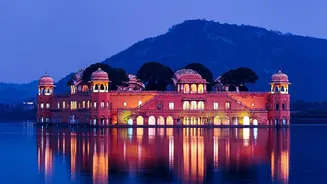
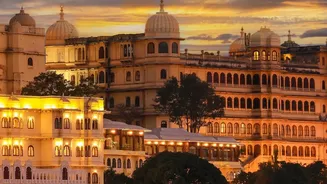
The crown jewel of Mandu is undoubtedly the Jahaz Mahal, or 'Ship Palace'. This architectural marvel, 120 metres long, is ingeniously built between two artificial lakes, the Munj Talao and Kapur Talao. During the monsoon, when the lakes are full, the palace appears like a majestic ship floating on the water—a truly unforgettable sight. Built as a pleasure palace for the harem of Sultan Ghiyas-ud-din Khilji, its open pavilions, overhanging balconies, and spacious terraces were designed to catch the cool monsoon breeze. Walking through its corridors as rain patters outside feels like stepping onto a royal vessel from another era.
Echoes of Romance: Roopmati's Pavilion & Baz Bahadur's Palace
Mandu is steeped in the legendary love story of its last independent ruler, Sultan Baz Bahadur, and the beautiful singer, Rani Roopmati. This romance is immortalised in two key monuments. Roopmati's Pavilion, originally an army watchtower, sits on a hilltop offering breathtaking panoramic views. It is said that the queen would visit this pavilion to gaze at the sacred Narmada River, visible on clear days, and to see her beloved’s palace below. A short distance away lies Baz Bahadur's Palace, a 16th-century structure with spacious courtyards and halls that once echoed with music. Visiting these two sites, especially with the moody monsoon clouds overhead, brings their timeless love story to life.
More Architectural Marvels to Explore
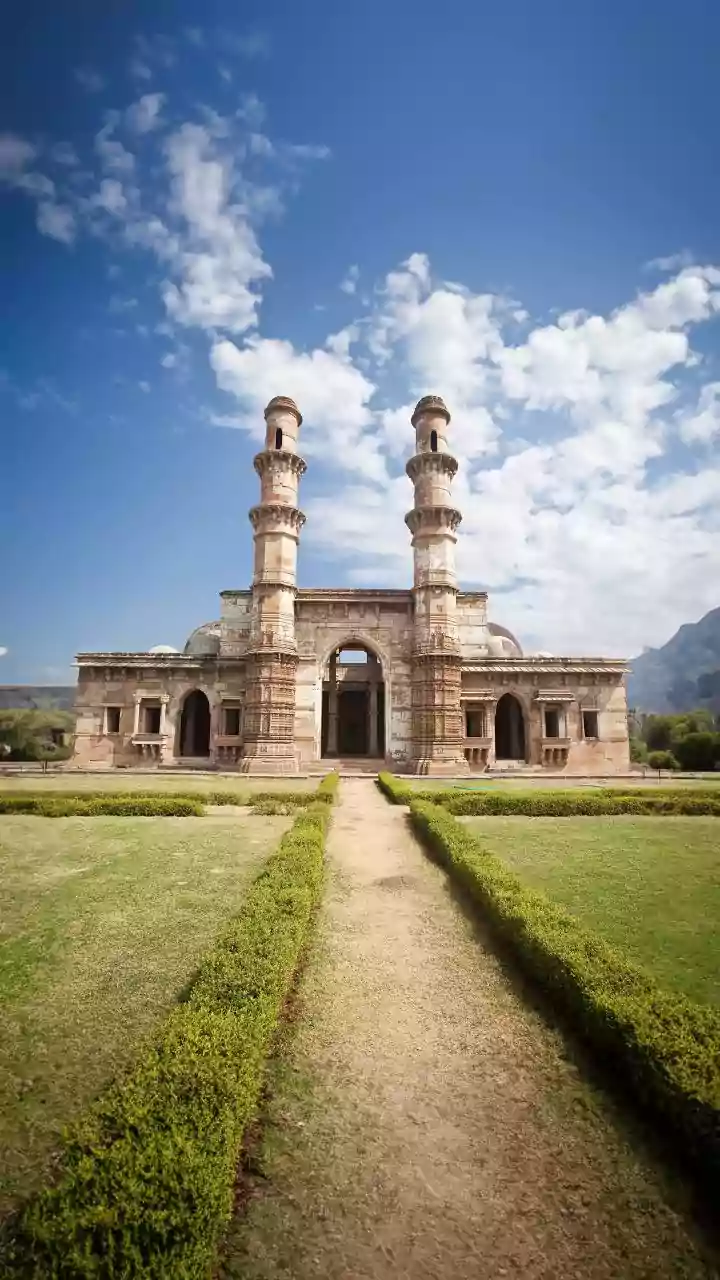
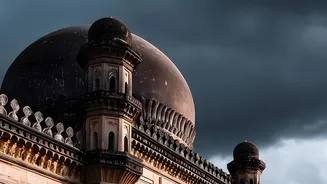
Beyond the main attractions, Mandu is a treasure trove of Afghan architecture. The Hindola Mahal, or 'Swinging Palace', gets its name from its distinctive sloping side walls, which create the illusion of it swaying. The Jami Masjid is a grand and imposing mosque inspired by the great mosque of Damascus, showcasing stunning domes and archways. Nearby, Hoshang Shah's Tomb holds the distinction of being one of India’s first marble structures, and its design is believed to have inspired the architects of the Taj Mahal. Each of these sites contributes to the rich historical tapestry of the city.
A Budget-Friendly Escape
One of Mandu's biggest draws is its affordability. Entrance fees to most monuments are minimal for Indian citizens, often as low as ₹15-₹25. Accommodation options cater to all budgets, from government-run hotels like MP Tourism's Malwa Resort to numerous budget-friendly guesthouses and homestays. For food, you can savour local Malwa cuisine at inexpensive dhabas and restaurants, with filling meals available for a very reasonable price. This combination of low-cost sightseeing, stay, and food makes Mandu an accessible weekend destination that delivers a rich experience without straining your wallet.