





An Omega-3 Powerhouse
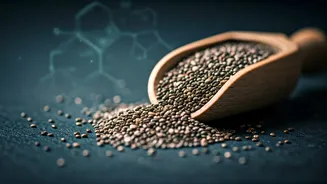
One of the most significant claims for chia seeds' brain benefits comes from their high content of omega-3 fatty acids. [1] Specifically, they are one of the richest plant-based sources of alpha-linolenic acid (ALA). [6, 12, 4] Your body can't produce
ALA on its own, so you must get it from food. [2] Omega-3s are crucial for brain health; they are a key component of your brain cell membranes, helping to manage inflammation and support communication between neurons. [13, 19] While the body's conversion of ALA into the more active forms of omega-3s used directly by the brain (EPA and DHA) is known to be inefficient, providing the raw materials is still a vital step. [18, 16] Consuming ALA has been linked to better overall cardiovascular and cognitive function. [1]
Packed with Protective Antioxidants
Your brain uses a lot of oxygen, which makes it highly susceptible to oxidative stress—a process caused by unstable molecules called free radicals that can damage cells. [2, 3] This damage is linked to brain aging and cognitive decline. [4] Chia seeds come loaded with a variety of antioxidants, including quercetin, caffeic acid, and chlorogenic acid. [4, 16] Think of these compounds as a protective cleanup crew for your brain. [3] They work to neutralize free radicals, potentially shielding your brain cells from harm and supporting long-term cognitive health. [2, 4] Including antioxidant-rich foods like chia seeds in your diet is a key strategy for promoting cognitive resilience as you age. [3, 4]
More Than Just Healthy Fats
Beyond omega-3s and antioxidants, chia seeds offer a suite of other nutrients that indirectly and directly support brain function. They are an excellent source of fiber, which helps stabilize blood sugar levels. [6, 4] This is crucial because sharp spikes and crashes in blood sugar can lead to that familiar feeling of brain fog and difficulty concentrating. [3, 4] Chia seeds are also a source of complete protein, containing all nine essential amino acids which are the building blocks for neurotransmitters that regulate mood and cognitive performance. [2] Furthermore, they contain important minerals like magnesium, which plays a role in the body's stress response and nerve signaling, as well as calcium and phosphorus, which are vital for bone and nerve health. [3, 8, 9]
Easy Ways to Befriend Chia Seeds
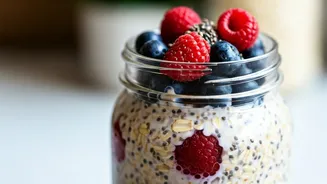
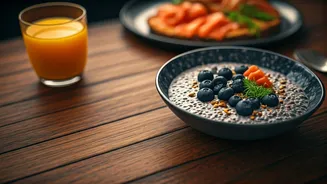
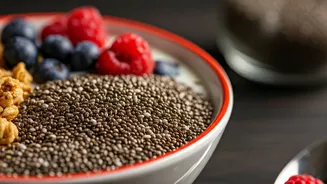
Incorporating these nutritious seeds into your diet is surprisingly simple, as they have a mild, nutty flavour that won't overpower your food. [1, 7] One of the most popular methods is making chia pudding: just mix two tablespoons of seeds with a half-cup of milk or a plant-based alternative, shake well, and let it sit in the fridge to thicken. [1] You can also sprinkle the seeds over yogurt, cereal, or salads. [1, 10] For a seamless addition, blend a tablespoon into your morning smoothie or stir them into oatmeal for an extra boost of fiber and protein. [10, 17] Because they absorb up to 12 times their weight in liquid and form a gel, they can even be used as an egg substitute in baking or to thicken sauces and dressings. [7, 6, 9]