

An Old Idea for Modern Kitchens
Before refrigeration, the larder was an essential cool space for preserving food—its name even derives from the practice of storing meat in lard. Historically, it was a small room or closet, often on the north side of the house to keep it cool. Today,
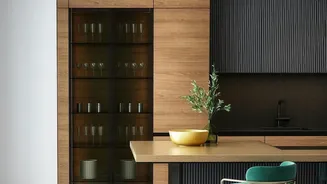
the term is often used interchangeably with a pantry, but its modern incarnation as a freestanding cabinet is what’s turning heads. Unlike built-in pantries, these standalone pieces of furniture offer flexibility and character, serving as both a storage workhorse and a design statement. They bring a sense of history and permanence to a room, whether it’s a rustic farmhouse kitchen or a sleek, contemporary space.
Why Larders Are Making a Comeback
The resurgence of the freestanding larder isn't just about vintage charm; it’s a direct response to modern lifestyles. With open-plan living making kitchens perpetually on display, there's a growing desire to hide everyday clutter. A larder allows you to consolidate food items from multiple cupboards into one organised hub, instantly decluttering work surfaces. This makes the entire kitchen feel calmer and more efficient. Furthermore, as more people embrace bulk buying and cooking from scratch, the need for ample, visible storage has intensified. A well-designed larder makes it easier to see what you have, which helps reduce food waste and prevents you from buying duplicate ingredients.
The Power of Thinking Vertically
The single greatest advantage of a freestanding larder is its efficient use of vertical space. Many kitchens have underutilised wall height, and a tall cabinet draws the eye upward while occupying a minimal footprint. This is especially crucial in smaller homes or apartments where floor space is at a premium. By going tall, you can store an incredible amount of food, from cereals and grains to jars and tins, without sacrificing valuable countertop area. This approach frees up lower cabinets for heavy pots and pans and keeps frequently used items at an accessible height. A tall larder essentially acts like a highly organised, condensed storeroom within your kitchen.
Choosing the Right Larder for You
Freestanding larders come in a variety of styles, from traditional Shaker designs to sleek, modern units. Consider the scale of your kitchen; a slim, single-door model can fit into a tight corner, while a grand double-door larder can become a stunning focal point in a larger room. Materials range from classic woods that add warmth, like oak or maple, to painted finishes that can coordinate with your existing cabinetry. For ultimate functionality, look for interiors with a mix of storage options: deep shelves for boxes and appliances, narrow spice racks on the doors, and pull-out drawers for easy access to items at the back.
Mastering Larder Organisation
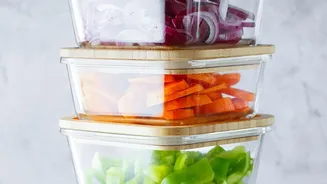
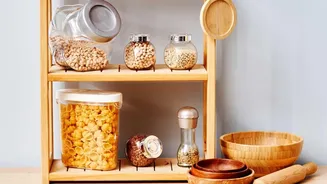
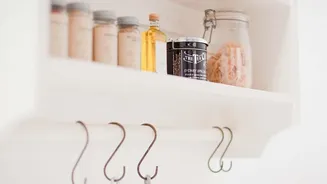
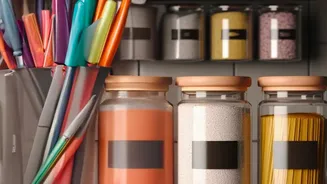
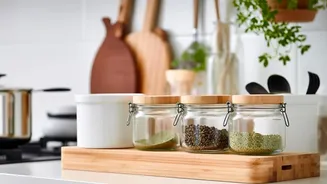
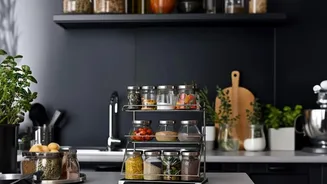
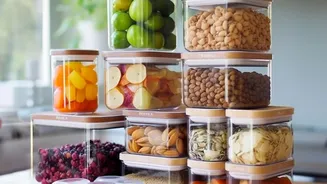
Once you have your larder, organisation is key to its success. Start by grouping similar items together: pastas and grains on one shelf, canned goods on another, snacks in a designated basket. Use clear containers for dry goods like flour, sugar, and rice; this not only looks beautiful but also allows you to see at a glance when you're running low. Implement a 'first in, first out' system by placing newer items at the back of the shelves. Most importantly, everything should have a designated home. This system saves time during meal prep and makes writing a shopping list a simple task of scanning the shelves.