



The Soul of the Dish: The Kofta
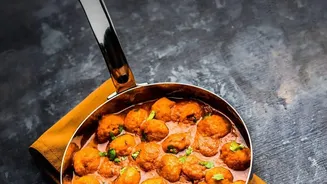
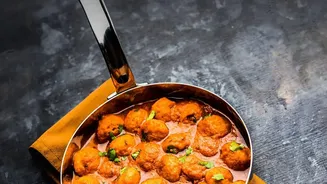
The heart of a great Malai Kofta is, without a doubt, the kofta itself. The goal is a dumpling that is light, airy, and ethereally soft, not a dense, heavy ball. The magic lies in the balance of its core components: paneer and potato. Use good quality,
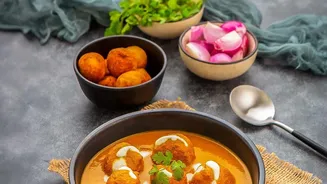
grated paneer and, crucially, boiled potatoes that have been completely cooled and are low in moisture. Wet or warm potatoes will require more binding agent, like cornflour, and too much cornflour is the primary culprit behind hard koftas. The mixture should be kneaded gently into a smooth, crack-free dough. Some recipes call for a surprise inside—a filling of chopped nuts like cashews and raisins—which adds a delightful textural contrast and a hint of sweetness. When it comes to cooking, deep-frying in hot oil until golden brown is the traditional method. Make sure the oil is sufficiently hot before adding the koftas to prevent them from breaking or absorbing too much oil.
The Elixir: A Silky, Creamy Gravy
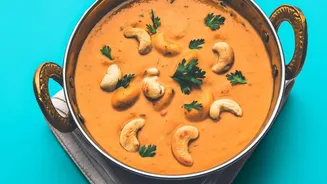
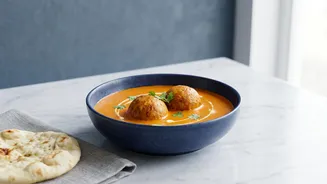
The kofta's perfect partner is a gravy that is luscious, aromatic, and impeccably smooth. Most restaurant-style recipes feature an orange-hued gravy with a base of onions, ripe tomatoes, ginger, garlic, and, for ultimate creaminess, cashews. The key is not to brown the onions, but to soften them to maintain a lighter colour and sweeter flavour. After simmering the base ingredients until they are soft, the mixture is blended into a fine puree. For that truly luxurious, restaurant-quality texture, straining the puree through a fine-mesh sieve is a non-negotiable step. This removes any fibrous bits from the tomatoes and whole spices, resulting in a silky-smooth sauce. The final richness comes from a swirl of fresh cream (malai) or a dollop of butter stirred in at the end, off the heat, to prevent it from splitting.
The Art of Balance and Common Pitfalls
Achieving Malai Kofta perfection is about mastering the balance and avoiding common mistakes. A frequent error is using too much binding flour in the koftas, leading to a dense, chewy texture instead of a melt-in-the-mouth one. Another is frying at the wrong temperature; oil that's not hot enough causes the koftas to disintegrate, while oil that's too hot will brown the outside before the inside is cooked. Test one kofta first to see if it holds its shape. For the gravy, don't be heavy-handed with the cream. The creaminess should primarily come from the cashew paste, with fresh cream used as a finishing touch to add richness, not to create heaviness. Finally, the spicing should be subtle and aromatic, with gentle notes of cardamom and kasuri methi (dried fenugreek leaves) complementing the richness, not overpowering it.
The Grand Finale: Plating and Serving
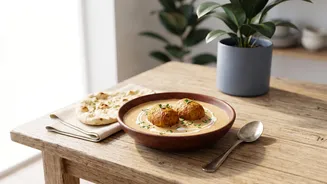
How you assemble the dish is just as important as how you cook its components. This is the cardinal rule of serving Malai Kofta: never let the koftas sit in the gravy for too long. The delicate koftas are like sponges and will quickly absorb the gravy, becoming mushy and losing their distinct texture. To serve, you have two options for the best experience. You can gently warm the gravy and pour it into a serving dish, then place the fried koftas on top just before it goes to the table. Alternatively, plate the koftas in individual bowls and ladle the hot, creamy gravy over them. Garnish with a final drizzle of cream and a sprinkle of fresh coriander. This ensures every bite has the perfect contrast between the soft, flavourful kofta and the warm, luscious gravy. Pair it with fresh naan or jeera rice for a truly celebratory meal.